
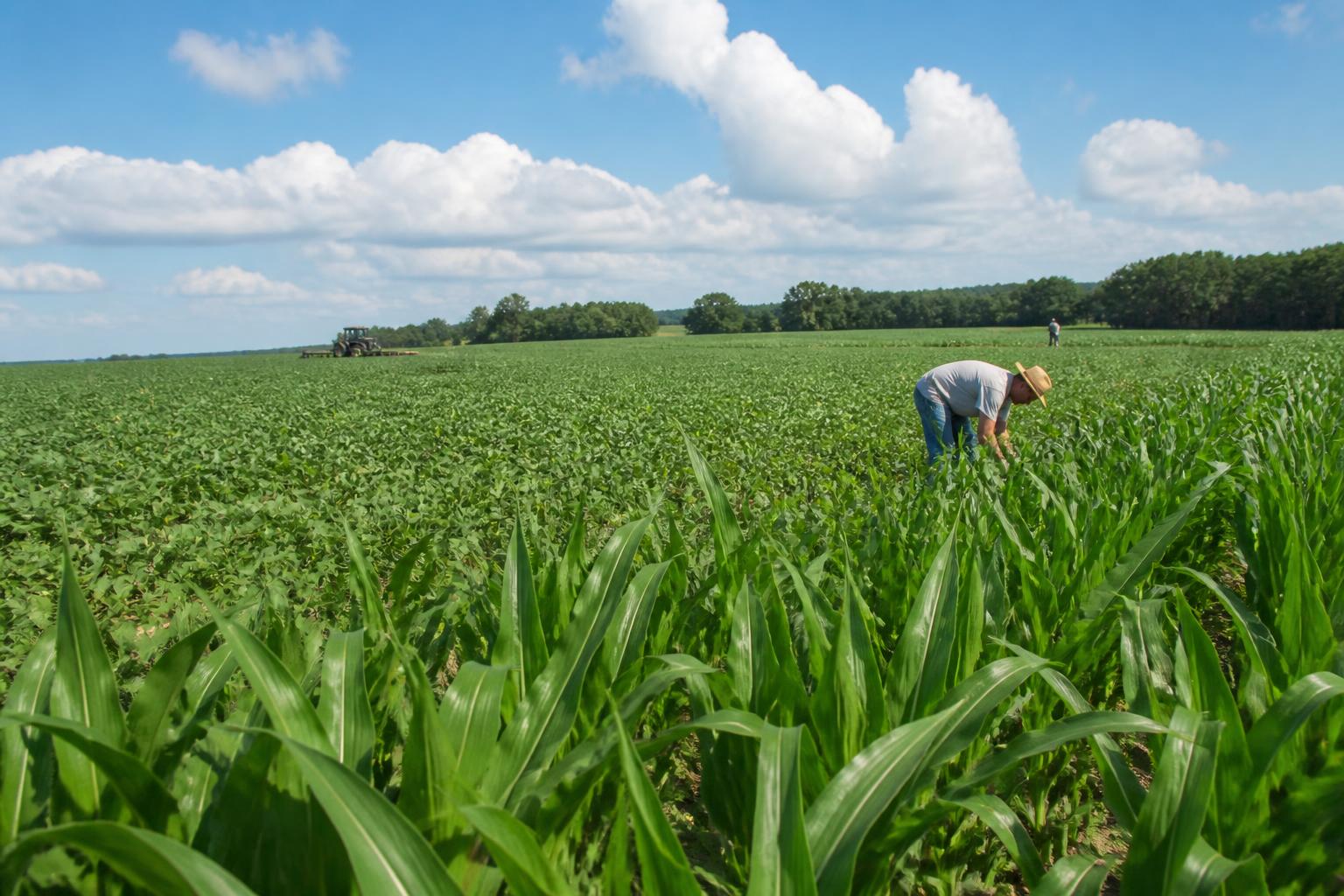
As the summer heat settles over the Bluegrass State, Kentucky agribusinesses are navigating a rapidly shifting logistics landscape. Moving grain from local fields to major processing hubs and export terminals requires a highly coordinated network of roads, rivers, and rail lines. With the summer harvest season actively underway, recent logistics acquisitions and rail developments are reshaping how local commodities move.
For Kentucky growers, transport efficiency is critical to preserving margins. Efficient logistics channels are especially vital when navigating seasonal changes, such as when Kentucky summer wheat yields hold steady and growers look for seamless paths to regional markets.
CGB Acquisition of Agforce Assets Bolsters Regional Logistics
In a move that highlights the ongoing consolidation of agricultural transport services, CGB Enterprises (CGB) has announced the acquisition of Agforce Transport Services assets. Agforce, known for its bulk transportation and third-party logistics (3PL) capabilities, brings added freight brokerage and management expertise to CGB's existing footprint.
For Kentucky agriculture, which relies heavily on a mix of truck and barge logistics to move grain along the Ohio and Mississippi rivers, this acquisition signals a push toward more integrated supply chain solutions. Increased corporate investment in logistics assets typically helps streamline transit times, but it also means local elevators and independent shippers must adapt to a more consolidated transport market.
Rail Mergers and Kentucky Intermodal Flow
Beyond regional trucking and barge networks, long-haul rail networks are undergoing significant structural changes. The historic rail merger involving Union Pacific and Norfolk Southern is poised to alter freight routes across the eastern United States. Norfolk Southern operates key rail corridors running through Kentucky, connecting local grain elevators directly to southeastern poultry markets and coastal export facilities.
This massive rail alignment may eventually streamline overland grain movements, but in the short term, shippers often face transitional scheduling adjustments. Local grain handlers must keep a close eye on transit times and car availability as these Class I railroads integrate their operations and adjust shipping lanes.
Adapting to Evolving Crop Patterns in Kentucky
Logistics requirements in Kentucky are also evolving due to shifting cropping patterns. While traditional summer grains and soybeans dominate the freight corridors, crops like winter canola are emerging as promising alternatives for Midsouth farmers. Introducing new oilseed varieties into the rotation requires transport operators to adapt to different handling requirements, specialized cleanouts, and distinct delivery windows at regional processing plants, such as those near Hopkinsville.
Key Takeaways for Kentucky Shippers
- Consolidated Logistics: The acquisition of Agforce assets by CGB emphasizes the trend toward larger, integrated third-party logistics providers.
- Rail Alignments: The major rail integration between Union Pacific and Norfolk Southern will reshape eastern grain corridors, requiring close tracking of car availability.
- Diversified Freight: Emerging crops like winter canola demand flexible transportation scheduling and strict cleaning protocols to avoid cross-contamination.
What it means for the market
For Kentucky farmers and grain elevators, these major corporate moves mean that securing transport capacity early is more important than ever. As summer progresses and fall harvest planning begins, agribusinesses should prioritize strong communication with freight brokers and rail representatives. Diversifying logistics options between truck, barge, and rail will be the best strategy to mitigate bottleneck risks and capture optimal regional basis levels.
Comments
No comments yet — be the first to share your take.