
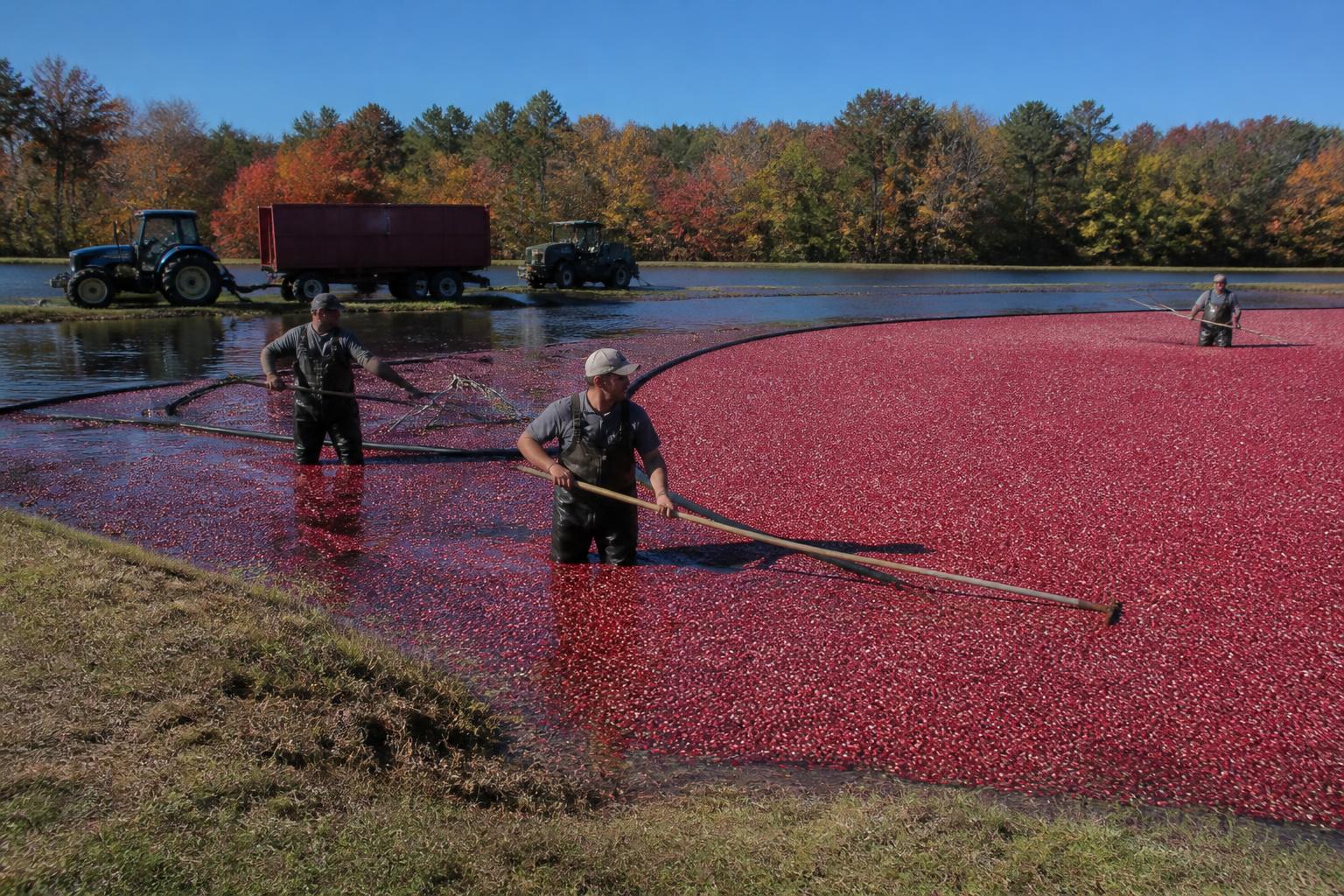
October marks a pivotal moment for Massachusetts agriculture, particularly as growers finalize the annual cranberry harvest. Despite a growing season characterized by persistent rain issues, local producers have reported overall good quality for this year’s crop. This resilience underscores the importance of ongoing input stability and proactive pest management, which remain critical for maintaining yield quality in the face of unpredictable weather patterns.
Navigating Global Input Markets
While local harvest efforts draw to a close, Massachusetts agribusinesses are keeping a watchful eye on international trends that could influence next season's bottom line. Global fertilizer markets are currently experiencing significant volatility, with cost-to-grain ratios tightening in several key producing regions. Although supply chains for essential nutrients and crop protection products are showing signs of adaptation, the uncertainty surrounding international energy markets and regional logistics continues to create a cautious atmosphere for pre-booking.
Logistics and Resource Management
As farm operations shift from harvesting to storage and field maintenance, the focus naturally turns to precision agriculture. Digital tools, particularly in moisture measurement, are becoming standard practice for managing crop quality within storage bins. For many Massachusetts growers, the ability to monitor these conditions in real-time is not just a technological upgrade, but a necessary measure to protect margins against potential spoilage or quality loss during the colder months ahead.
What it means for the market
For Massachusetts producers, the transition out of harvest means a shift in financial planning. The combination of a successful, albeit weather-tested, crop and global price fluctuations necessitates a disciplined approach to input purchasing. Maintaining liquidity and securing essential crop protection supplies early can serve as a buffer against the potential for continued global price swings and logistics bottlenecks, ensuring that operations remain positioned for a stable start to the next cycle.
Comments
No comments yet - be the first to share your take.