
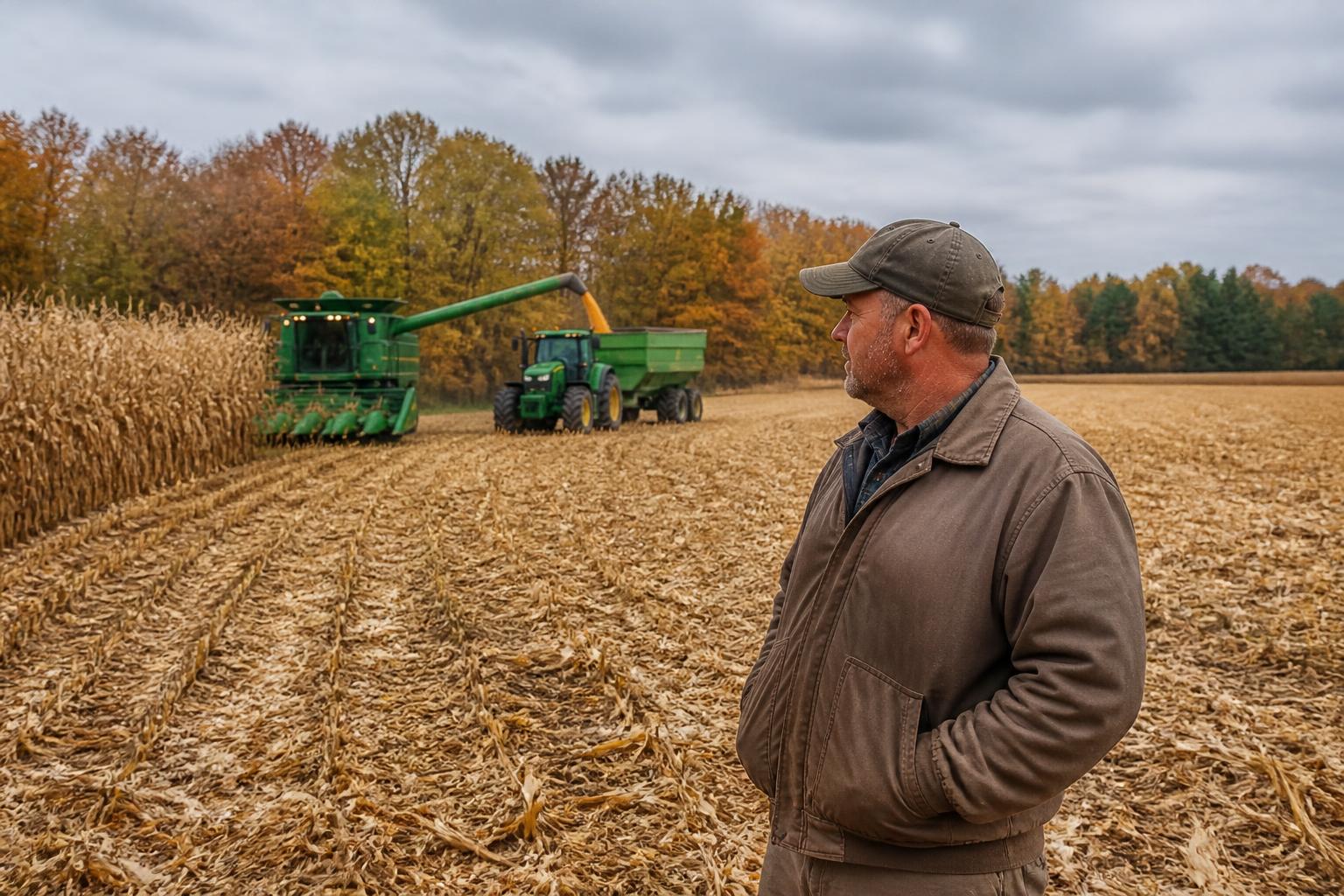
The Indiana harvest is now well underway, presenting a complex operational environment for growers across the state. With field conditions varying significantly following recent weather patterns, logistics management has become a central focus for producers looking to maintain their bottom line. Efficiency in transporting grain from the field to storage or terminal points is critical as the season progresses through late October.
Navigating Fuel Costs and Regulatory Updates
Diesel price fluctuations continue to weigh heavily on operating margins during this high-intensity period. To mitigate some of these pressures, state-level initiatives, including recent waivers for off-road diesel, have been introduced to assist with the immediate demands of harvest operations. However, operators are encouraged to remain vigilant regarding potential cross-border regulatory inconsistencies, as fine risks can sometimes persist for equipment operating outside of specific jurisdictions.
Infrastructure and Terminal Updates
Infrastructure remains a vital component of the Indiana grain movement strategy. The recent reopening of the grain terminal at Burns Harbor in Portage provides a significant boost for producers looking for streamlined export access, potentially easing the bottlenecking that can occur in high-volume regions during the fall rush. This development may offer more competitive options for growers who typically balance their delivery routes against fluctuating local basis levels.
For those interested in how regional shifts impact day-to-day operations, understanding the nuances of local harvest logistics remains essential for maintaining profitability during volatile periods.
What it means for the market
The convergence of infrastructure expansion at major terminals and tactical fuel relief efforts suggests a tightening, yet slightly more flexible, logistics landscape for Indiana farmers. As the harvest matures, producers should prioritize real-time communication with their grain buyers and coordinate closely with local carriers to account for ongoing variability in yield expectations and seasonal road capacity.
Comments
No comments yet - be the first to share your take.