
Hawaii's geographic isolation offers both a natural shield and a distinct vulnerability for its agricultural sector. This summer, local farmers, logistics operators, and agribusinesses are navigating a complex landscape of protection. From advanced biosecurity initiatives at ports of entry to legislative debates over crop branding and pesticide management, the state is actively redefining how it safeguards its agricultural economy.
Managing these initiatives requires balancing defensive ecological measures with the high cost of doing business in the islands. As stakeholders adjust to shifting transportation dynamics outlined in Hawaii's 2026 transportation and shipping guides, keeping local food systems secure remains a top priority.
Innovative Biosecurity and Ecological Defense
To prevent invasive pests and diseases from devastating local farms, the state is looking toward technological innovation. The "Akamai Arrival" initiative highlights a push to boost biosecurity through modern tracking and digital solutions. These advancements are critical for protecting Hawaii's unique ecosystems and preserving regional crops from high-threat pests. For producers already managing high operational overhead, maintaining tight biosecurity is essential to avoid catastrophic crop losses. This fits into the broader effort of navigating summer biosecurity and high costs in Hawaii's agricultural sector, where early detection can save millions in mitigation expenses.
At the same time, environmental groups are drawing attention to the chemical side of crop protection. A recent report titled "Pesticides in Paradise: Hawaii's Health and Environment at Risk" from the Center for Food Safety highlights ongoing community concerns regarding pesticide use and its potential impact on local health and ecosystems. Balancing effective pest management with ecological safety remains a central challenge for Hawaii's conventional and organic growers alike.
Protecting the Hawaiian Brand: The Tea Labeling Dispute
Protection in Hawaii also extends to intellectual property and market share. A legislative bill designed to guard against imitation Hawaiian tea has sparked intense debate. While the bill aims to prevent mainland or international companies from falsely using the Hawaiian name to market inferior tea products, critics argue that the proposed regulations could backfire. Some local industry players fear that overly strict standards might unintentionally hurt authentic small-scale growers by adding burdensome compliance steps and limiting their ability to blend regional ingredients.
Investing Locally Despite Mainland Market Pressures
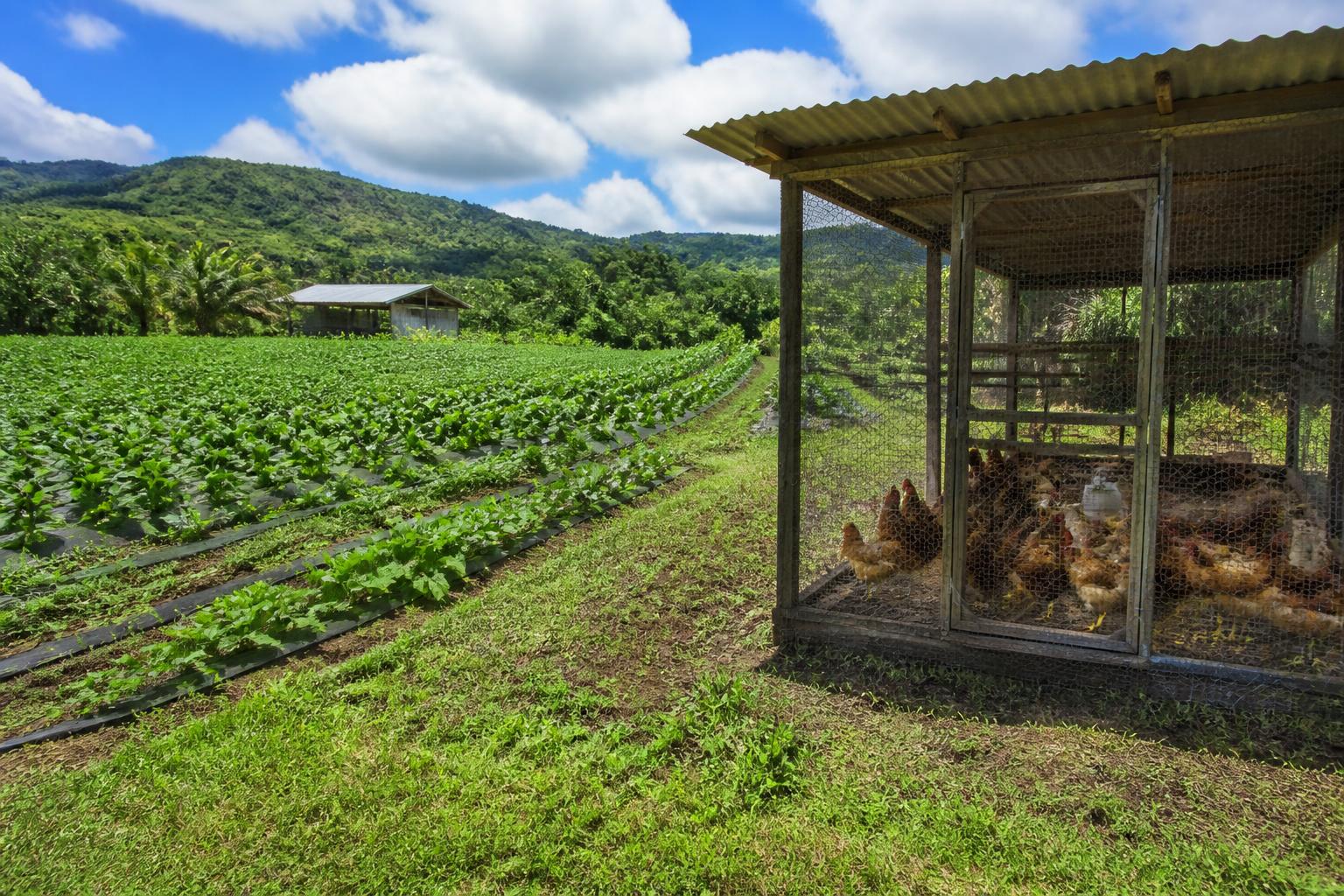
While mainland market trends often dictate local pricing, some Hawaiian agribusinesses are doubling down on local production. For example, even as mainland egg prices experience downward pressure, Waialua Fresh Eggs is continuing to invest in Hawaii-based facilities. This commitment to local poultry production reduces dependence on long-distance ocean freight, which is highly sensitive to port transitions and changing logistics networks. Understanding how these shipping channels function is critical for local agribusinesses, especially as port transitions and logistics shape summer shipping options across the islands.
Key Takeaways for Hawaii Agribusinesses
- Biosecurity Upgrades: Programs like Akamai Arrival represent a shift toward high-tech, proactive monitoring to prevent costly invasive pest outbreaks.
- Brand Integrity vs. Compliance: New legislation seeking to protect specialty crops like Hawaiian tea must balance brand defense with practical regulatory requirements for local farmers.
- Local Supply Chain Resilience: Investments by local entities like Waialua Fresh Eggs show a strategic focus on import substitution, mitigating the risks of ocean-freight disruptions.
What it means for the market
For Hawaii's agricultural market, protection is no longer just about physical biosecurity at the border; it is about economic survival. As input costs remain high and shipping channels evolve, the industry must rely on a mix of technological innovation, brand preservation, and targeted local investments. Agribusinesses that adapt to these shifting regulatory and logistical protections will be best positioned to maintain stable operations and capture premium local demand through the summer season.
Comments
No comments yet — be the first to share your take.