
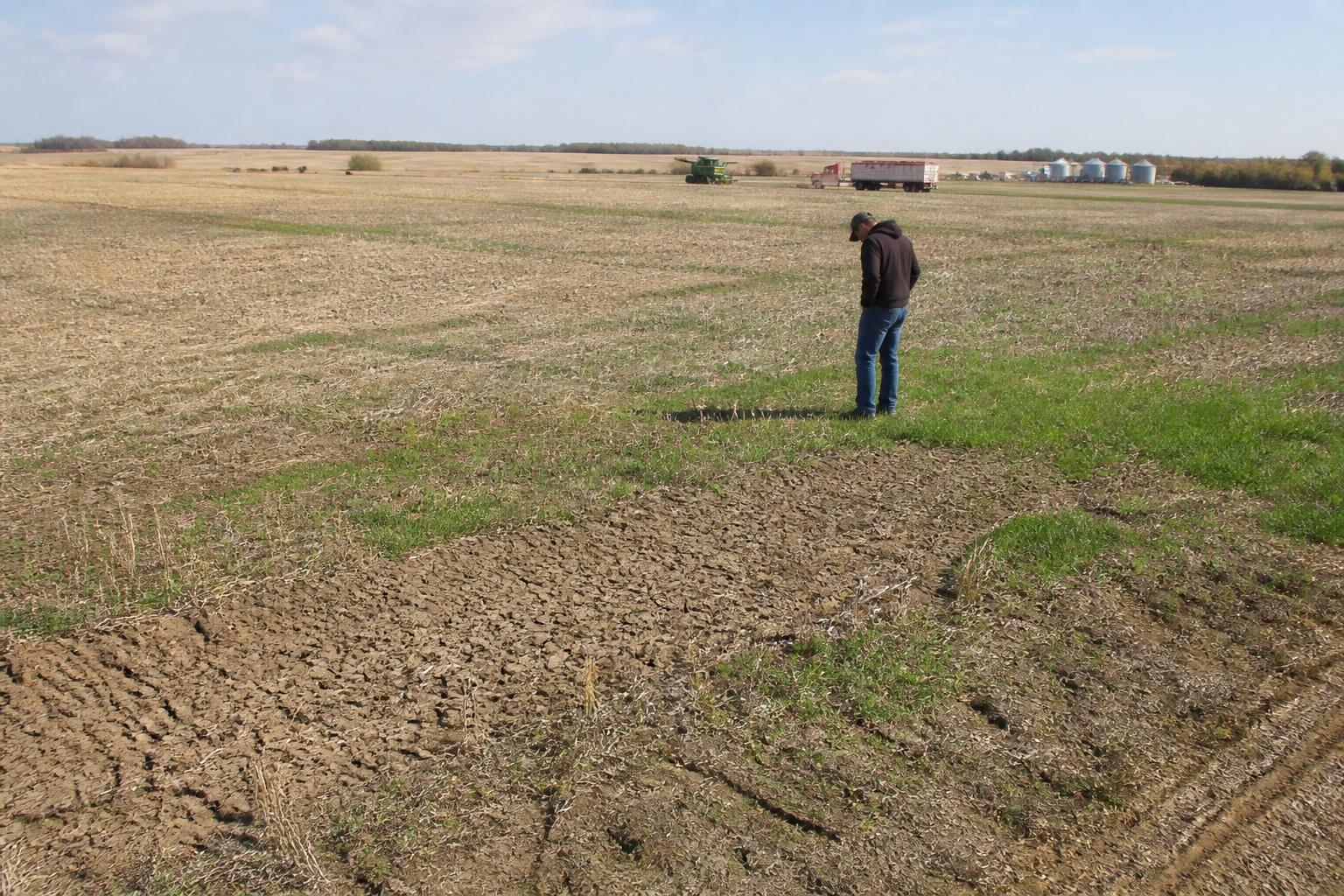
As harvest activities move across the Sunflower State, Kansas growers are evaluating the impact of a complex growing season on final yields. While some central regions have seen enough moisture to keep dryland crops in stable condition, others are reporting significant challenges as soil profiles show signs of moisture stress. These localized variances continue to shape the decision-making process for producers as they transition into the busy autumn window.
For many operations, the primary focus remains on managing operational expenses alongside harvesting logistics. Producers are balancing ongoing concerns regarding input costs with the necessity of maintaining efficient infrastructure and storage strategies to protect crop value. As machinery hits the fields, the focus on minimizing post-harvest losses and optimizing grain storage capacity has become paramount for maintaining margins in a fluctuating market environment.
Infrastructure and Logistical Support
Improving the movement of agricultural goods remains a critical component of state-level competitiveness. Recent initiatives to integrate real-time data into rural freight corridors are expected to aid transport efficiency, helping grain handlers and carriers better navigate the seasonal bottlenecks that often coincide with peak delivery times. Maintaining a smooth flow through major transit routes is essential for Kansas agribusinesses looking to mitigate the pressures of high-volume harvest cycles.
Input Cost and Policy Factors
Beyond the field, financial resilience remains at the forefront of the industry conversation. Concerns over input pricing persist as growers evaluate their long-term strategies, with many watching legislative developments in Washington closely for signs of stability. As the conversation around the Farm Bill continues, agricultural stakeholders are emphasizing the need for support systems that address both production risks and economic volatility, ensuring that farmers in the region can continue to operate effectively despite mounting cost hurdles.
What it means for the market: For producers and grain handlers, the ability to pivot based on real-time field data—ranging from moisture levels to transport delays—will be the deciding factor in optimizing inventory management through the remainder of the year. Successful market navigation this season requires keeping a close eye on both local soil conditions and the broader logistical updates affecting Kansas freight networks.
Comments
No comments yet - be the first to share your take.