
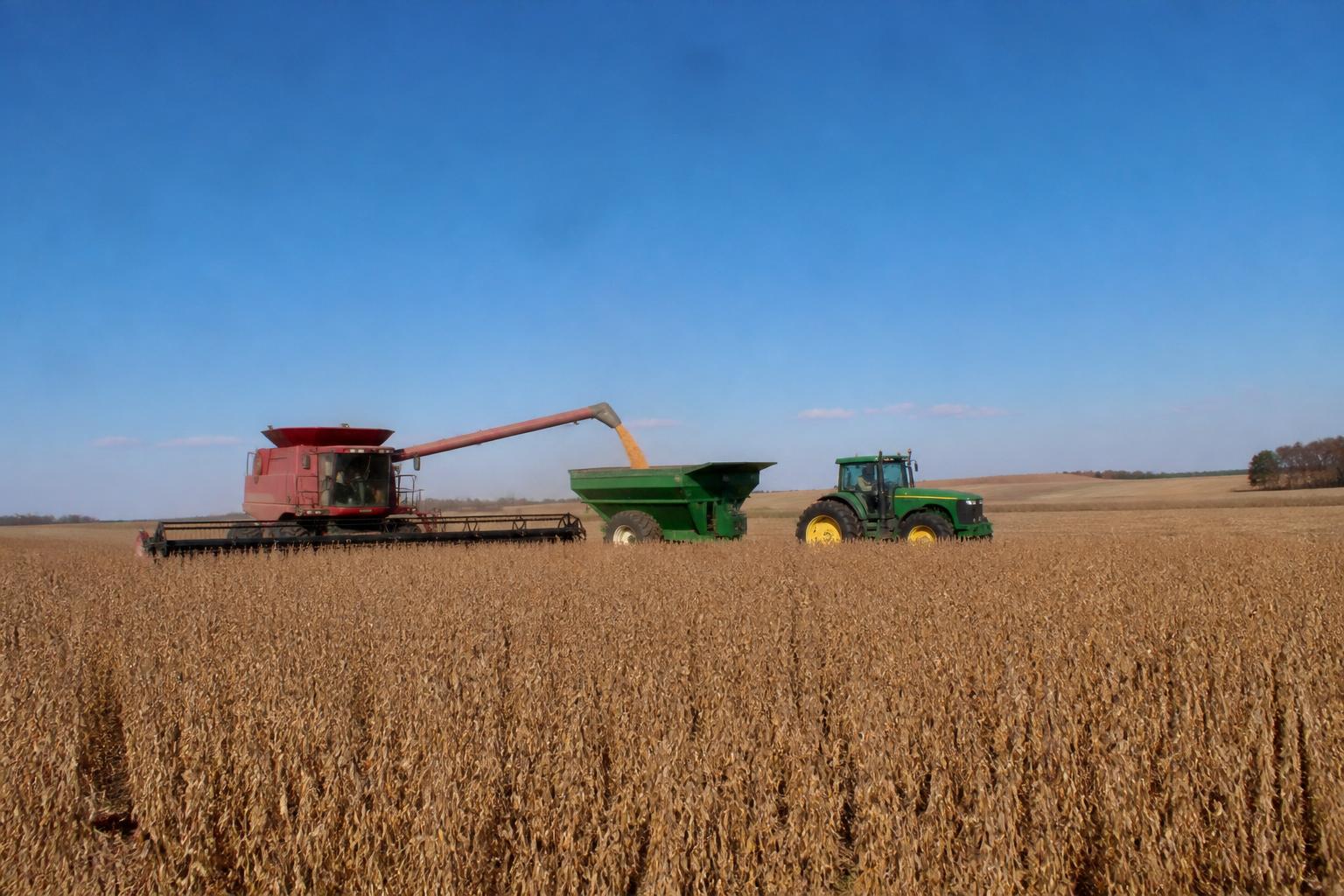
The Missouri fall harvest is well underway, bringing with it the perennial challenge of managing tight margins in a complex logistics environment. For grain handlers, producers, and transporters across the Show-Me State, balancing efficient movement from field to elevator against rising input costs remains a top priority. Recent legislative actions, including executive orders providing relief for the agriculture industry, underscore the state's focus on maintaining competitive operational costs during this high-activity window.
One notable development for many operators is the temporary authorization of red-dyed diesel use on public roads for agricultural purposes. This policy shift may provide a necessary cushion against elevated fuel expenses, allowing farmers more flexibility as they move machinery and transport equipment between fields and local storage sites. Effectively managing your own on-farm storage is often the best defense against localized market bottlenecks when seasonal logistics tighten.
Optimizing Logistics and Input Management
Efficiency gains are being sought throughout the supply chain as growers evaluate their post-harvest requirements. With fuel costs remaining a variable, regional haulers and agribusinesses are emphasizing the importance of route optimization and load planning. In regions where road weight restrictions or seasonal traffic patterns persist, pre-planning transport paths can prevent costly delays and equipment wear.
Regulatory and Market Environment
Beyond the immediate demands of the field, Missouri agriculture leaders are actively monitoring federal and state policy discussions that could influence the bottom line. Concerns regarding renewable fuel standards and the impact of capping RINs have drawn attention from corn and soybean associations alike, as these factors directly correlate with demand and input affordability. Staying informed on these regulatory trends is essential for making proactive business decisions as producers move into the next planting cycle.
What it means for the market
Producers should continue to monitor fuel-related policy updates and maintain focus on operational efficiency to offset volatile input costs. As harvest progresses, leveraging available storage capacity and staying nimble with regional transport solutions will be key to navigating market fluctuations in the weeks ahead.
Comments
No comments yet - be the first to share your take.