
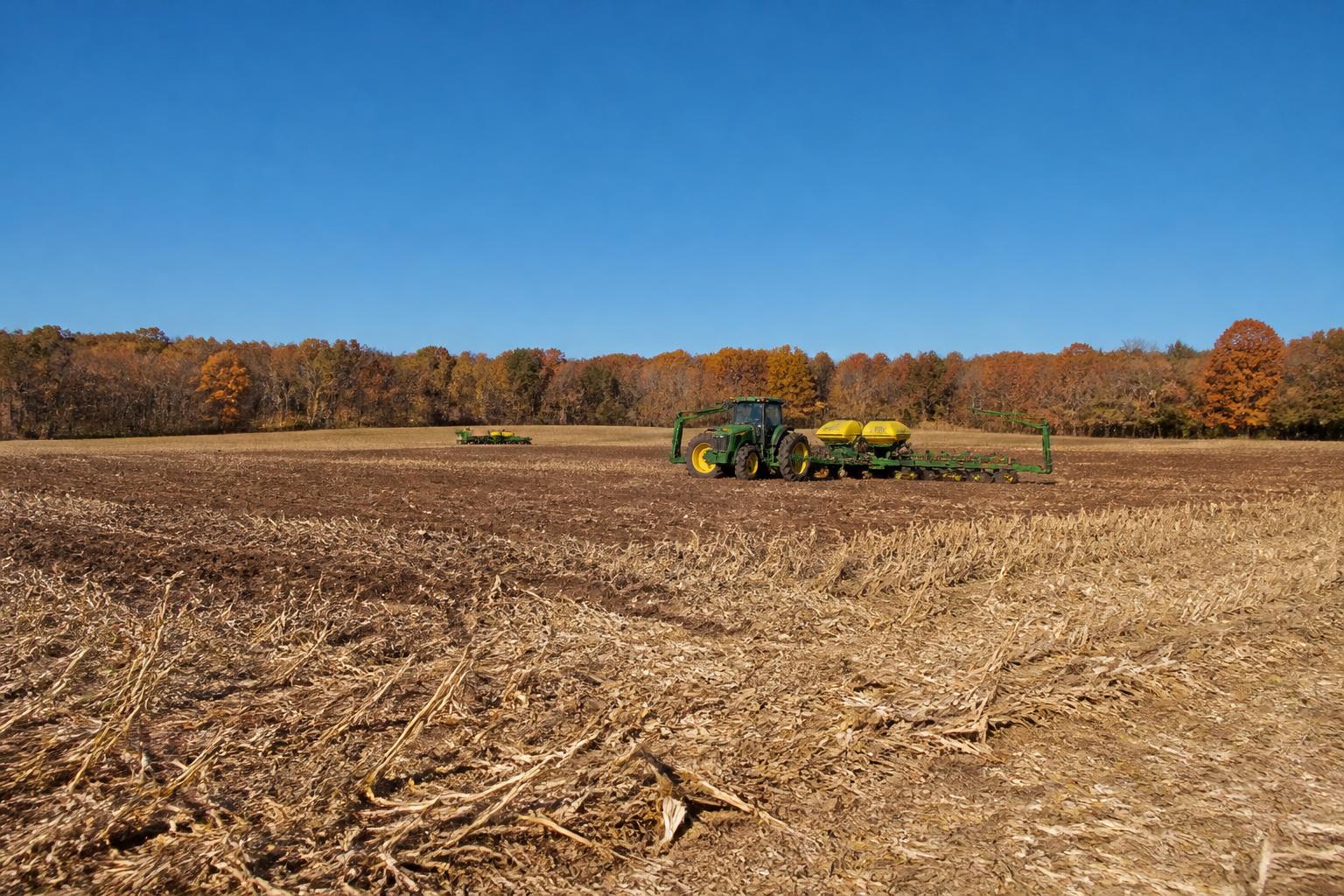
Missouri producers are currently deep into the fall harvest cycle, with many operations reporting steady progress as favorable windows allow for consistent field access. The recent shift toward more manageable moisture levels has been a welcome development for those looking to wrap up late-season soybean planting or transition full-force into gathering mature crops. While variable weather has dictated the pace in some regions, the ability to maintain steady equipment movement is proving vital for keeping logistics on schedule.
Efficient harvest logistics and transport management continue to be top-of-mind for farmers across the state. As grain moves from the combine to on-farm storage or directly to elevators, the focus remains on minimizing downtime and managing the costs associated with moving commodities to market. With seasonal traffic picking up on key rural corridors, carriers and grain handlers are coordinating closely to ensure that the flow of product is not bottlenecked by infrastructure constraints or unexpected delays.
Adapting to Seasonal Challenges
The current season has brought its own set of unique hurdles. Beyond the mechanical and logistical challenges of the harvest, producers are also balancing the long-term outlook for their fields. In many areas, soil health practices such as the use of cover crops are being credited for helping fields better handle the fluctuating moisture conditions experienced throughout the year. This emphasis on resilient agronomy is becoming a foundational strategy for producers aiming to stabilize yields in an unpredictable environment.
Input Efficiency and Resource Management
Managing the economic side of the operation is just as critical as the physical harvest. Recent policy developments, including state-level executive orders, have aimed to provide some measure of input cost relief, which producers are evaluating as they look toward next season's planning. As the industry navigates current market pressures, the ability to control overhead—whether through optimized input usage or refined harvest timelines—remains a defining factor in operational success for Missouri agribusinesses.
What it means for the market
For the broader Missouri agricultural sector, this period is defined by a transition toward efficiency. As harvest volumes increase, the pressure on local transport networks and storage facilities will persist. Market participants should expect continued focus on logistical precision, with grain handlers and carriers prioritizing high-throughput periods to match the pace of current field operations. Maintaining clear communication across the supply chain will be essential to mitigating the impact of seasonal volatility.
Comments
No comments yet - be the first to share your take.