
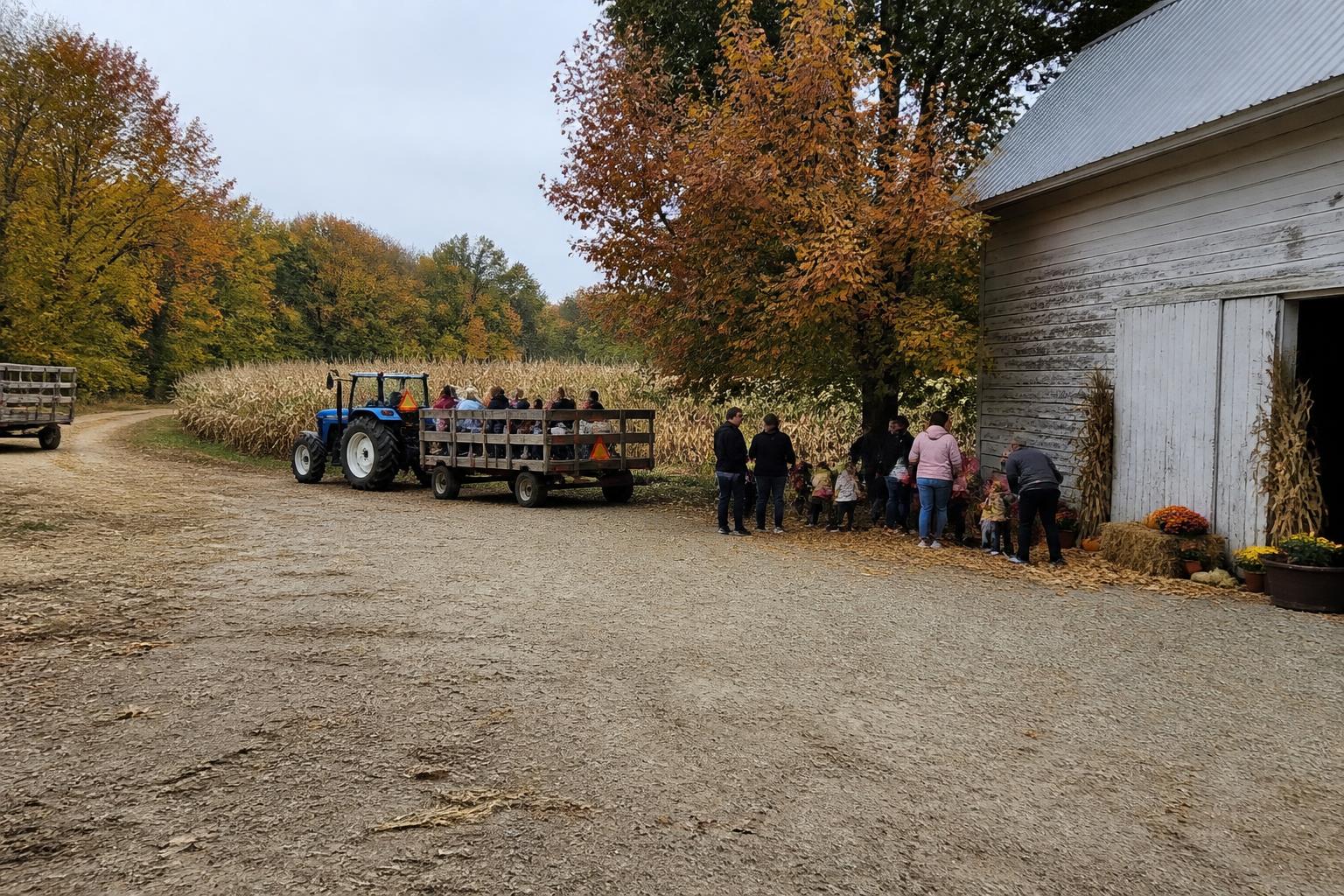
Navigating Peak Harvest Challenges
As the Indiana harvest season accelerates, farmers across the state are contending with the logistical pressures that define mid-October operations. With grain moving steadily toward elevators and processing facilities, the demand for timely transport remains high. Producers are balancing field efficiency with safety, especially given the increased road traffic on rural corridors throughout Indiana's primary agricultural counties.
Input Market Volatility and Supply Efforts
Managing the bottom line is top of mind for many agribusinesses as they look ahead. Recent discussions among producers have highlighted the impact of fluctuating input costs on long-term planning. While global trade dynamics continue to shape the availability of key materials, local initiatives are gaining traction to strengthen regional supply chains. Projects focused on increasing domestic fertilizer production are underway to help local farms reduce reliance on volatile import markets, potentially stabilizing costs for future planting seasons.
For those managing logistical hurdles during the fall season, maintaining communication with local cooperatives and transport partners is essential to mitigate delays. Ensuring that inputs are secured early can often help buffer against sudden market adjustments that affect commodity pricing and operational margins.
Prioritizing Safety During High-Traffic Windows
The intensity of the fall workload often necessitates long hours and high-speed operation of machinery, but it also elevates the risk of accidents. Recent industry reports remind operators to prioritize safety protocols when moving heavy equipment on public roads. Staying vigilant for passenger vehicle traffic, ensuring proper lighting on all implements, and adhering to designated hauling routes remain the most effective ways to ensure a productive and secure harvest finish.
What it means for the market
The Indiana agricultural landscape is currently defined by a push for self-sufficiency and improved operational resilience. As farmers move through this busy harvest period, the focus is shifting from immediate field work toward the strategic procurement of inputs for the next cycle. By monitoring regional supply chain projects and maintaining tight logistics coordination, Indiana producers are positioning themselves to better withstand broader economic fluctuations in the coming months.
Comments
No comments yet - be the first to share your take.