
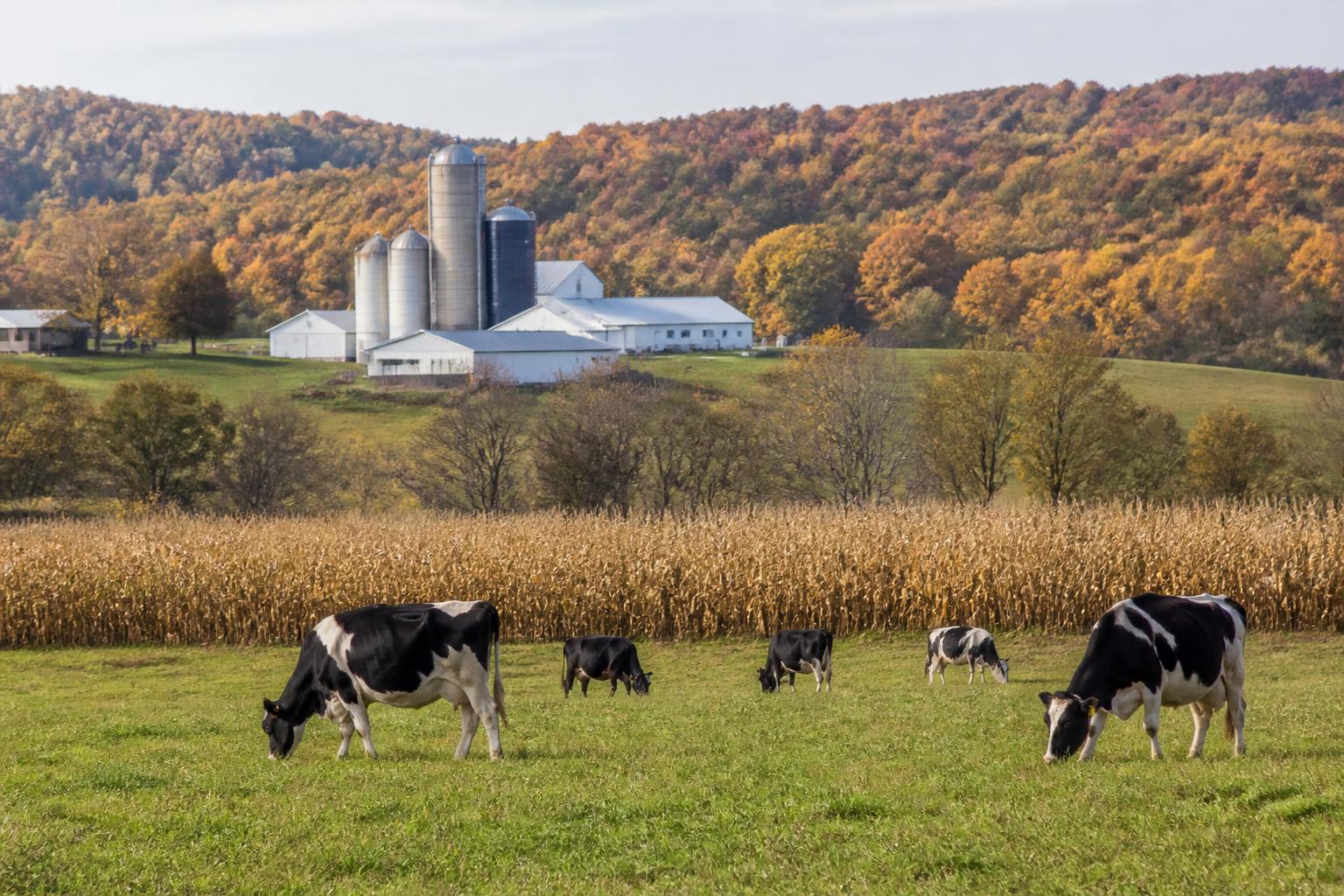
As the fall harvest progresses across Pennsylvania, producers are balancing shifting logistics landscapes with mounting operational pressures. While recent state-level investments in rail freight have aimed to bolster long-term transportation efficiency, immediate logistical hurdles remain a primary concern for grain handlers and farm managers alike. Navigating the intersection of infrastructure development and rising input costs requires a strategic look at how materials and commodities move across the Commonwealth.
Infrastructure and Transportation Updates
State-led efforts to modernize regional logistics are currently centered on significant capital injections into rail freight. These projects are intended to support statewide growth and provide alternative shipping routes for agricultural output, potentially relieving some of the pressure on regional highway corridors during peak harvest windows. For agribusinesses and elevators, these developments may offer new avenues for long-haul movement, though the integration process is often gradual. Producers in regions with improved rail access may see competitive shifts in freight availability as the season matures.
Labor and Cost Pressures
Beyond physical infrastructure, the agricultural sector is grappling with a tightening labor market. Recent developments regarding compliance and enforcement have added layers of complexity to farm management, particularly within the state's robust dairy sector. When combined with ongoing inflationary trends—most notably in fuel and logistics-related expenses—many operations are facing a margin squeeze. This environment is forcing a sharper focus on efficient resource allocation, from optimizing transport routes to managing seasonal labor inputs more precisely.
Operational Resilience in the Field
With harvest dynamics playing out across the region, maintaining reliable equipment and clear communication with logistics partners is essential. As fall conditions evolve, road weight restrictions and seasonal traffic patterns often influence the timing of grain delivery. Proactive coordination with local carriers remains the most effective tool for mitigating the impact of broader economic headwinds and localized transportation bottlenecks.
What it means for the market
The convergence of infrastructure funding and increased labor scrutiny suggests a period of transition for Pennsylvania agriculture. While the long-term outlook for rail-linked supply chains is positive, the immediate takeaway for farmers and agribusinesses is the need for enhanced agility. Managing costs associated with fuel and labor, while leveraging emerging infrastructure improvements, will be a defining factor for operational success as the industry moves through the remainder of the year.
Comments
No comments yet - be the first to share your take.