
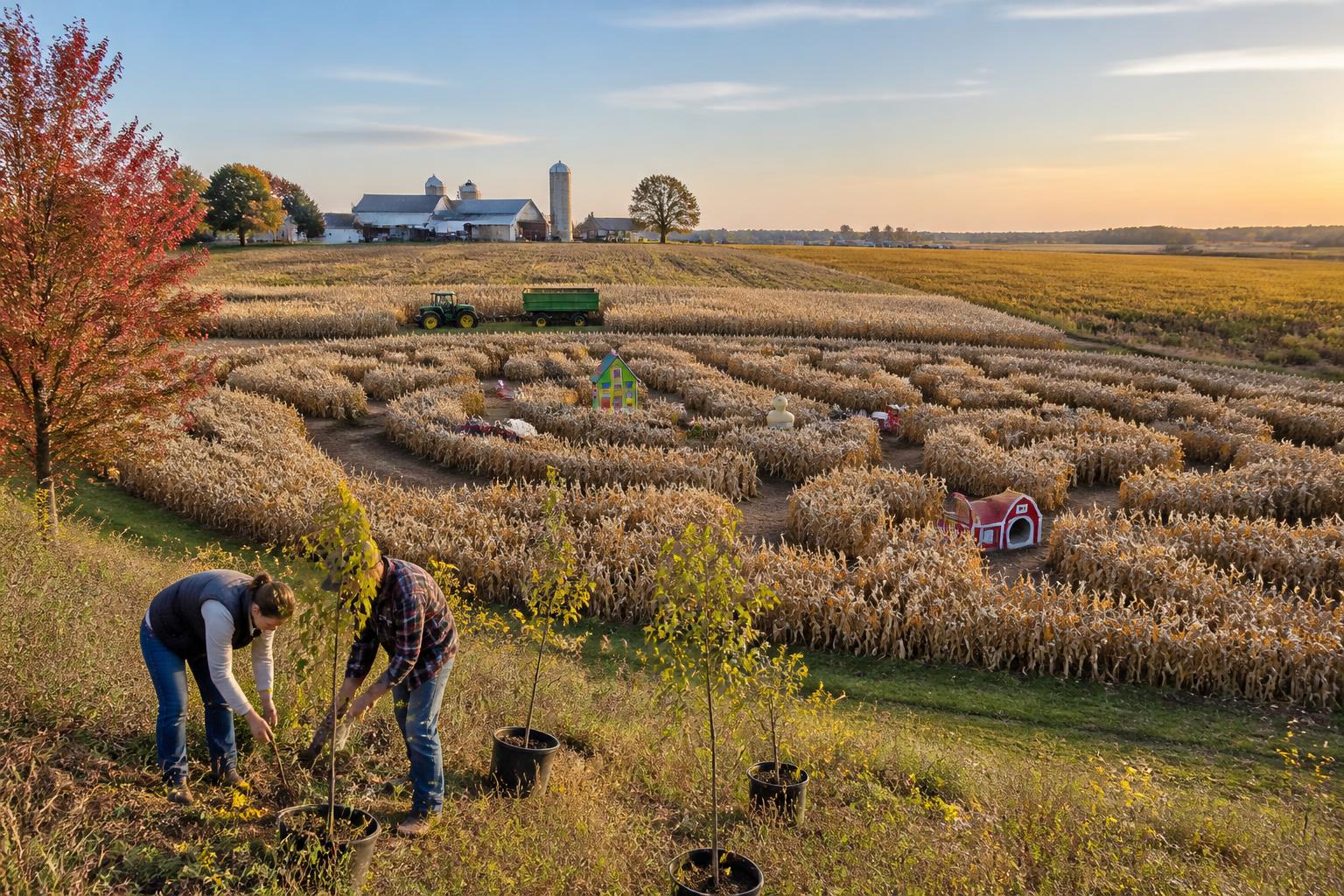
With the fall harvest in full swing across Maryland, producers are balancing the immediate demands of grain collection with broader logistical considerations. As combines move through fields in regions like the Eastern Shore and central counties, managing seasonal field traffic becomes a critical component of maintaining efficiency during these high-pressure weeks.
Alongside these operational efforts, the industry is navigating shifting input markets. Recent trends indicate that fertilizer costs have seen significant upward movement. For Maryland growers currently assessing their post-harvest soil management plans, this price volatility may necessitate a more strategic approach to nutrient application and field input procurement for the coming cycle.
Navigating Seasonal Input and Logistics
As field operations progress, many growers are also contending with wildlife pressure and the long-term maintenance of farmland productivity. Managing deer damage and other localized pests continues to be a standard, albeit challenging, element of Maryland farm management. Utilizing resources to mitigate these impacts is often vital to protecting crop yields as the season draws to a close.
Furthermore, the infrastructure surrounding grain transport remains a key focus for local agribusinesses. Whether relying on established grain transloading capacity or coordinating with local cooperatives to move product, efficiency in the supply chain can provide a buffer against the operational stresses of the current mid-autumn field season.
Key Takeaways
- Fertilizer price increases are influencing upcoming soil management and input budgeting strategies.
- Effective field traffic management is essential for minimizing soil compaction and maximizing harvest speed.
- Coordination with local transport infrastructure remains a priority for efficient grain movement.
What it means for the market
For Maryland producers and agribusinesses, the intersection of rising input costs and harvest-time logistics underscores the need for proactive planning. By focusing on efficient throughput and carefully evaluating input needs amid price fluctuations, stakeholders can better position their operations to maintain margins as the 2026 harvest season concludes.
Comments
No comments yet - be the first to share your take.