
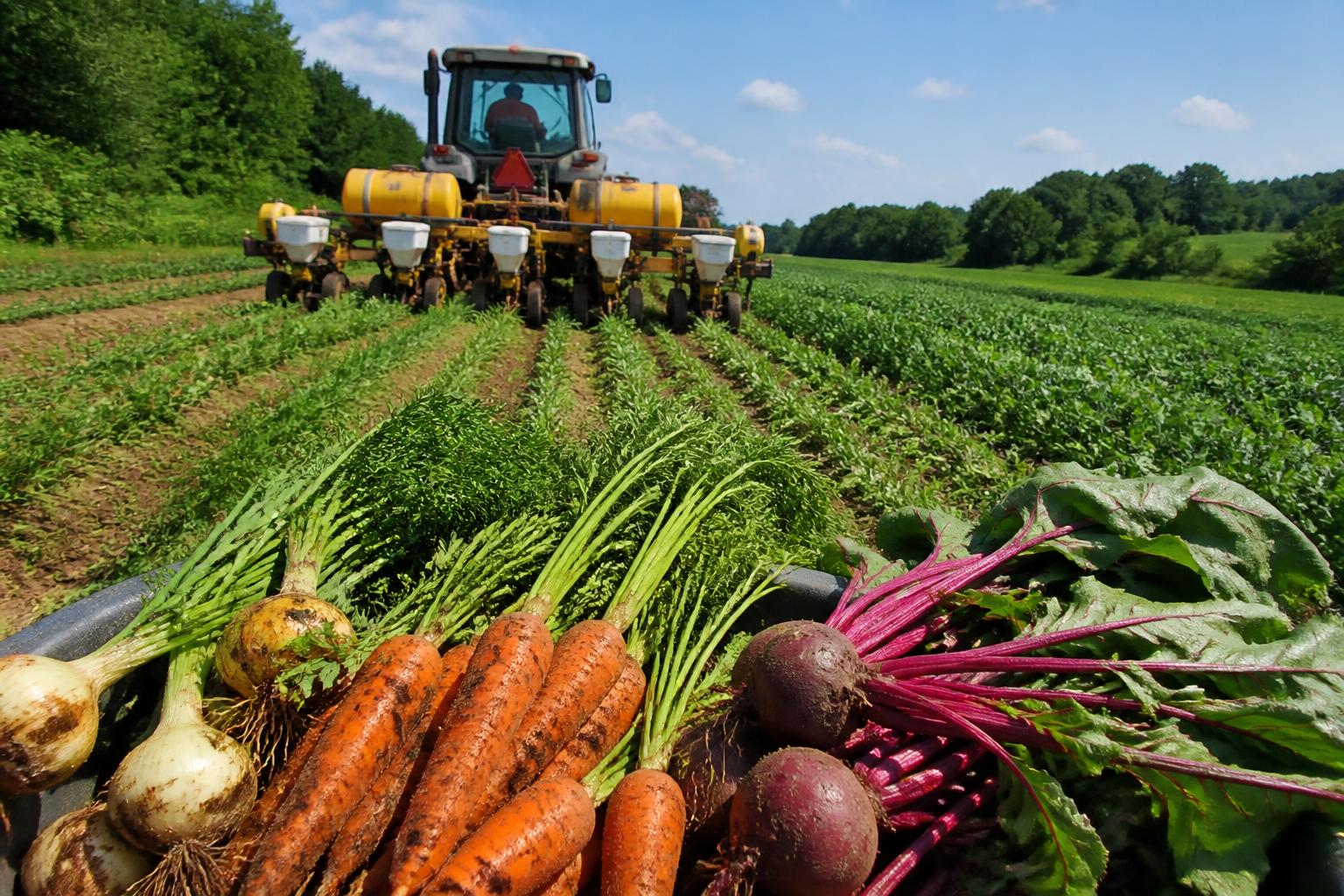
As summer harvest and shipping activities ramp up across Pennsylvania, the state's agricultural transportation network faces a mix of structural adjustments and seasonal demands. Shifting processing landscapes and ongoing infrastructure developments are forcing regional haulers and agribusinesses to quickly adapt their routes and logistics planning.
Livestock Transport Routes Shift Following Plant Closure
A major shift in regional protein logistics has emerged following the closure of a JBS USA beef plant in Pennsylvania. This closure alters the flow of cattle and processed meat products throughout the mid-Atlantic region. Livestock haulers who previously relied on direct routes to this facility must now reroute to alternative processing hubs, which may extend drive times and increase fuel consumption.
This disruption emphasizes the need for flexible fleet management as operators navigate changing Pennsylvania ag market dynamics. Haulers utilizing primary transit corridors, such as Interstate 81 and Interstate 78, are adjusting schedules to accommodate longer hauls while managing federal driver hours-of-service regulations.
Infrastructure Pressures and Rural Road Access
Beyond processing adjustments, physical infrastructure projects continue to affect rural transit. For example, pipeline development projects, such as those witnessed in Lebanon County, have highlighted the ongoing intersection between energy infrastructure and local agricultural operations. Heavy construction traffic and pipeline easements can temporarily disrupt field access and redirect farm machinery onto busy public roads.
As farmers manage these local traffic challenges alongside seasonal field operations, planning efficient routes becomes critical. Coordinating with local municipal authorities regarding temporary road closures and equipment movement is essential for maintaining smooth summer grain shipping and logistics realities across the state's diverse agricultural counties.
Navigating Seasonal Weight Limits and Heat Challenges
Summer conditions in Pennsylvania also bring standard seasonal logistics hurdles. High temperatures can cause road surfaces to soften, prompting local governments to enforce strict weight limits on rural secondary roads and bridges. Agri-carriers must monitor these local restrictions closely to avoid costly fines and delays, particularly when moving heavy inputs or harvested crops from the field to local elevators.
For operations focused on preserving productive farmland and maintaining tight supply chains, proactive vehicle maintenance is highly recommended. Ensuring that cooling systems, tires, and braking systems are rated for hot-weather hauling protects both driver safety and cargo integrity during the peak summer months.
Key Takeaways for PA Ag Transport
- Rerouted Livestock Flows: The JBS USA beef plant closure requires livestock haulers to seek alternative, often longer, processing routes.
- Infrastructure Disruptions: Energy pipeline work and construction in counties like Lebanon can impact local road access and farm equipment safety.
- Seasonal Compliance: Strict summer weight limits and hot-weather road wear demand careful route planning and vehicle preparation.
What it means for the market
For Pennsylvania agribusinesses, these logistics shifts mean that transport flexibility is no longer optional. The consolidation of processing options and localized infrastructure pressures will likely maintain upward pressure on regional freight rates. Farmers and fleet operators who secure transport capacity early and maintain open communication with local processing and receiving stations will be best positioned to protect their margins this season.
Comments
No comments yet — be the first to share your take.