
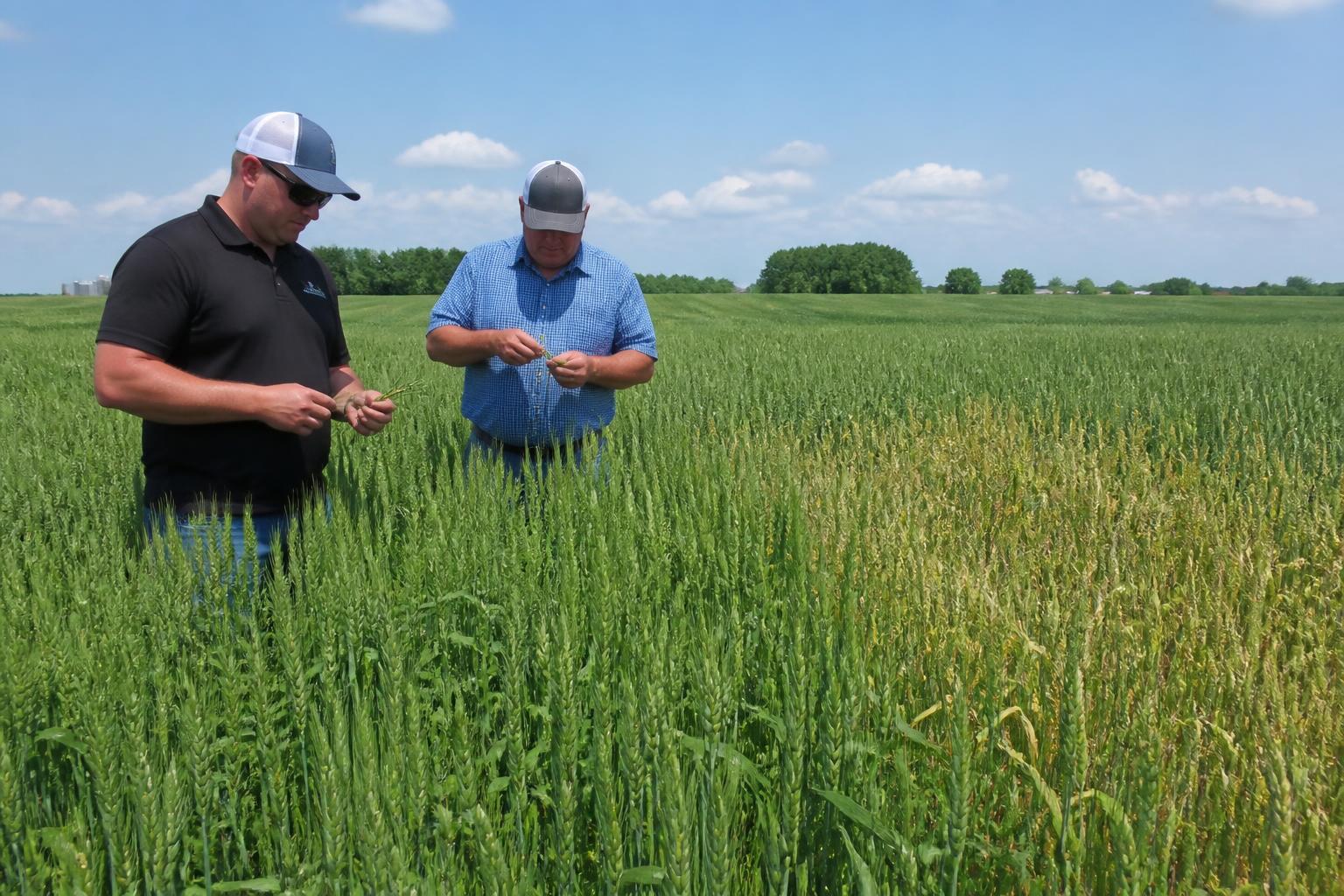
Missouri's grain sector is experiencing a highly dynamic summer season. Across the state's major agricultural corridors, from the fertile soils of the Bootheel to the river bottoms, farmers are pushing through a fast-paced wheat harvest. While yield reports are highly variable, with some exceptional fields reaching high-performance milestones, growers are simultaneously confronting regional disease pressures and a challenging economic landscape marked by stubbornly high input costs.
Wheat Harvest Strengths and New Structural Representation
Missouri wheat growers have seen outstanding results in several regional trials and commercial fields, with some yields topping the 100-bushel mark. Despite these localized successes, the crop has not been without its challenges. Various wheat diseases have plagued fields in several counties, tempering overall expectations and highlighting the necessity of careful variety selection and fungicide timing. To better support the state's growers and build a more unified industry presence, regional advocates are currently laying the groundwork to establish a formal Missouri Wheat Association.
While some growers celebrating high yields are finding success, the state's broader crop landscape faces several hurdles, as detailed in our analysis of Missouri grains and wheat harvest triumphs. The push for a dedicated state wheat association comes at a critical time as logistics, storage, and market access continue to evolve across the Midwest.
Agronomic Threats: First 2026 Tar Spot Case Confirmed
On the agronomic front, vigilance is high following the first confirmed case of Tar Spot in Missouri for the 2026 growing season. This disease, which has historically caused significant yield drag in corn crops across the Corn Belt, has appeared early enough in the summer to put row-crop producers on high alert. Crop scouts and university extension specialists are urging growers along river corridors and high-moisture zones to monitor their fields closely.
Managing these emerging biological threats is especially critical this summer, given the ongoing struggle with high-cost inputs; for more on this, review our guide to Missouri crop protection and row crop yields. Early detection and targeted treatment remain the most cost-effective strategies to protect potential yields from being eroded by late-season disease outbreaks.
Input Pressure and Political Scrutiny
The financial pressure on Missouri grain operations has caught the attention of federal lawmakers. Following sudden surges in fertilizer costs that have squeezed margins for corn, wheat, and soybean producers, U.S. Senator Josh Hawley has pressed the Department of Justice to investigate major fertilizer corporations for potential price gouging. Farmers and local agricultural groups have long expressed frustration over the disconnect between commodity prices and retail fertilizer rates, which continue to strain farm-operating budgets.
In response to these cost pressures and changing weather patterns, some Missouri producers are diversifying their crop rotations. There is a notable trend of farmers planting more grain sorghum across the state, utilizing its drought-tolerant properties and lower initial input requirements compared to traditional summer row crops.
Recovery Along the Missouri River and Infrastructure Shifts
Along the Missouri River, grain handlers and farmers are continuing to move forward and rebuild after disruptive flooding. The recovery of these highly productive bottomlands is crucial for maintaining steady local grain supplies to regional elevators and river terminals. Additionally, regional grain storage infrastructure is seeing ownership shifts, highlighted by the recent sale of storage facilities to a major wheat company, reshuffling local storage access for upcoming harvests.
Key Takeaways for Missouri Producers
- Wheat Yield Diversity: While some high-performing fields have surpassed 100 bushels, disease pressures require careful scouting and variety choice for the next planting cycle.
- Tar Spot Warning: The early detection of Tar Spot in the state requires proactive monitoring of corn fields to mitigate yield loss.
- Alternative Crop Interest: Elevated input costs are driving a notable shift toward grain sorghum as a viable summer alternative.
- Infrastructure Shifts: River-bottom recovery and local elevator acquisitions will impact local grain flow and delivery options this season.
What it means for the market
For the Missouri grain market, the current mix of strong wheat volumes and emerging crop protection threats suggests a summer of localized basis volatility. Elevators along major shipping corridors will likely see varied flow depending on river navigation conditions and local storage capacity. Farmers should closely calculate their input margins for the upcoming crop cycles while keeping an eye on federal investigations into input pricing, utilizing flexible marketing strategies to protect their bottom line during these volatile summer months.
Comments
No comments yet — be the first to share your take.