
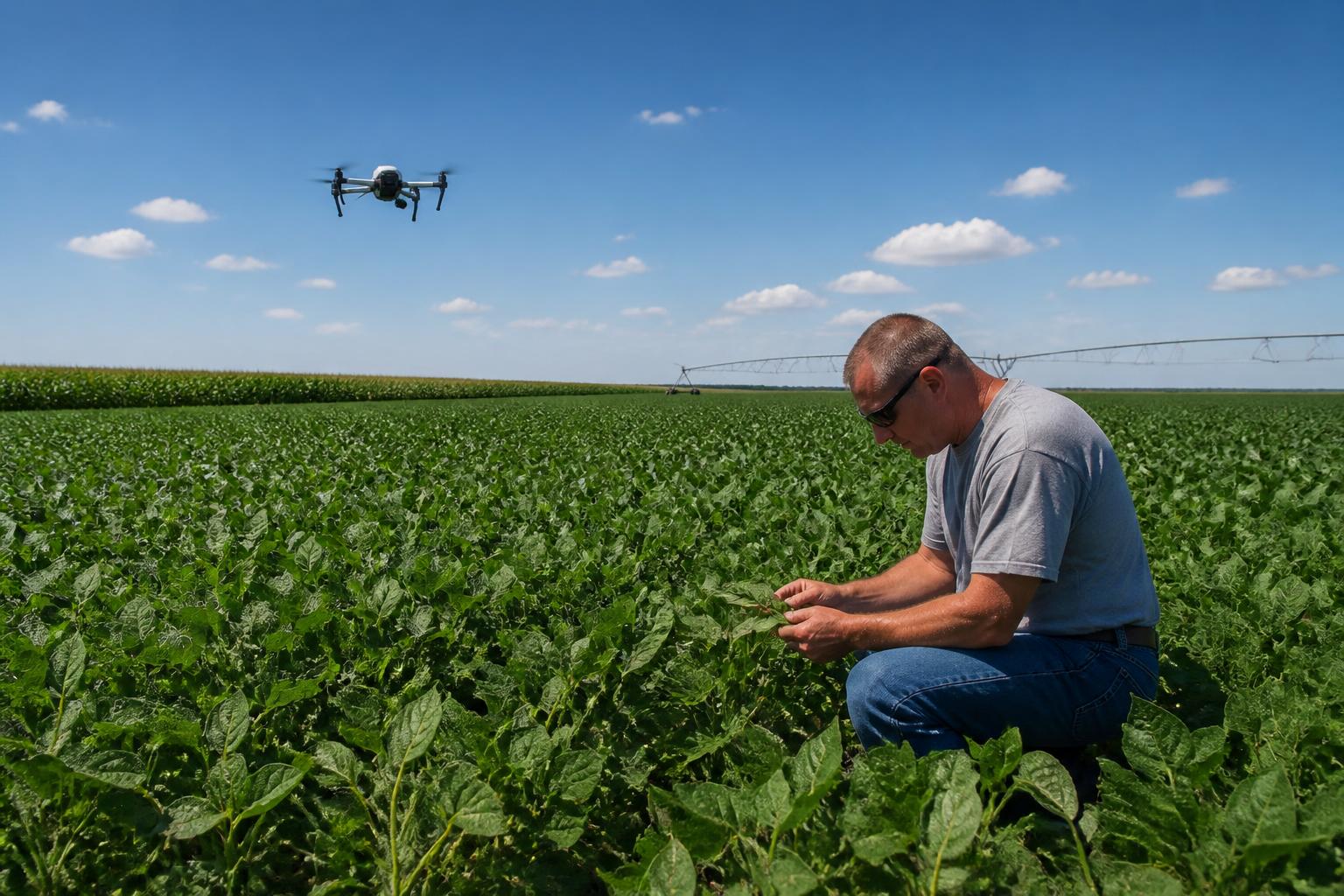
Missouri grain producers are facing a highly segmented landscape this summer, characterized by regional triumphs, persistent input cost pressures, and emerging regulatory wild cards. As crops progress through critical mid-season stages, grain handlers, elevator operators, and growers across the state are adjusting their marketing and operational strategies to manage these disparate trends.
While some regions are celebrating unexpected crop successes, others are grappling with the reality of high fuel, fertilizer, and technology costs. These factors are driving strategic shifts in acreage and input procurement from the fertile soils of the Bootheel to the rolling fields of northern Missouri.
Southwest Missouri Wheat Secures Key Harvest Successes
In southwest Missouri, wheat has emerged as a major winner in this season's harvest battle. Growers in the region have benefited from favorable finishing conditions, allowing them to bring in high-quality yields. This successful winter wheat run offers much-needed cash-flow relief and operational optimism for local grain elevators and producers alike.
The positive wheat outcomes stand in contrast to the more volatile outlooks for spring-planted crops, underscoring the value of crop diversification in the state's southern tier. For local grain handlers, the steady flow of high-quality wheat has provided solid early-season volume, helping offset broader concerns about late-summer logistics and storage capacity.
Acreage Reductions and Tariff Pressures in the Bootheel
Further east, Southeast Missouri (SEMO) farmers are confronting a more difficult economic environment. High fuel and surging fertilizer expenses have forced some local growers to scale back their rice and cotton acreage. These decisions reflect the tight margins associated with high-input crops in the region, particularly as global commodity pricing remains highly competitive.
Adding to these production challenges, national farm groups continue to raise serious concerns over phosphate fertilizer tariffs. Growers fear these trade measures are creating a near-monopoly, leaving regional agricultural retail networks with fewer supply options and keeping retail prices elevated. This has prompted many Missouri producers to apply inputs more conservatively, which could impact final grain and forage yields later in the season.
Soybean Growers Navigate Regulatory Wild Cards
Missouri's soybean market is also dealing with major operational questions, particularly regarding weed management and seed technology. The future of dicamba-tolerant soybean technology remains highly uncertain due to ongoing regulatory and legal challenges. This development is forcing many row-crop producers to reconsider their long-term crop protection strategies.
As producers navigate these technology hurdles, many are shifting their focus toward balancing summer crop stewardship and niche marketing opportunities to protect their margins. Finding alternative chemical programs and managing resistant weed populations will likely remain a top priority for Missouri farmers as they head into the latter half of the growing season.
Key Market Takeaways for Missouri Producers
- Wheat Strength: Southwest Missouri wheat yields have provided a reliable, high-quality crop, boosting early-season cash flow.
- Input Strains: Surging fuel and phosphate fertilizer costs are limiting rice acreage in SEMO, driving conservative input applications.
- Technology Shifts: Soybean producers must prepare for potential changes in herbicide availability as dicamba-tolerant systems face continued scrutiny.
What it means for the market
For the broader Missouri grain market, these mixed regional conditions suggest that basis levels and local cash bids may fluctuate significantly between the southern river terminals and northern elevator networks. Elevators should prepare for localized storage demands where wheat was abundant, while monitoring potential yield drags on corn and soybeans from reduced fertilizer applications. Ultimately, managing input procurement early and securing flexible crop protection alternatives will be the defining factors for profitable operations this season.
Comments
No comments yet - be the first to share your take.