
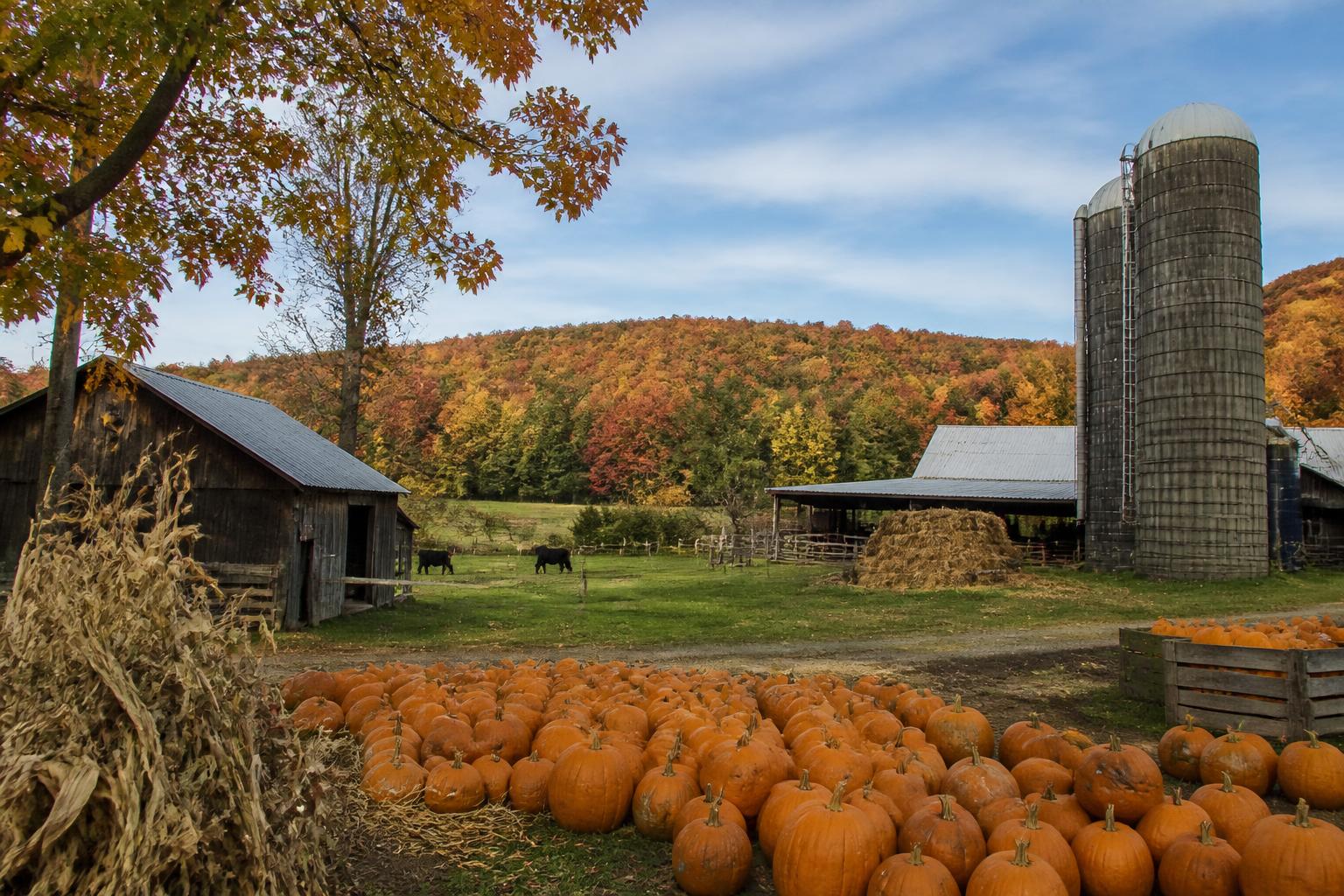
As the fall season progresses across Nevada, producers are increasingly contending with the dual pressures of limited water availability and a shifting regulatory landscape. With the state's historical focus on navigating operational uncertainties in Nevada's fall harvest, farmers in regions such as the Great Basin are finding that precision in resource management is more vital than ever.
Ongoing discussions regarding the potential retirement of unused water rights highlight the critical need for efficient water utilization. For many, this means revisiting irrigation schedules and exploring drought-resilient practices. Whether managing large-scale operations or shifting toward specialized crop production, producers are tasked with balancing immediate output with long-term regional water security.
Adapting to Evolving Industry Standards
The agricultural sector is also seeing a push toward enhanced soil health and sustainable inputs. As interest in organic production grows, some producers are examining the role of advanced fertilizers and soil amendments to maintain yields while adhering to stricter efficiency mandates. This transition is often coupled with broader efforts to ensure navigating crop protection and resource management in Nevada's fall fields remains effective against pests and environmental stressors.
Logistics and Market Stability
Beyond the field, logistics remains a key concern for the movement of goods across Nevada's rural highway corridors. Maintaining equipment and optimizing supply chain routes during the harvest window can help mitigate the impacts of seasonal volatility. Proactive planning in the face of broader regional economic shifts helps ensure that Nevada's agribusinesses can maintain consistent operations throughout the busy fall season.
What it means for the market
For Nevada producers, the current market climate underscores the importance of operational flexibility. By prioritizing efficient water use and staying informed on regulatory updates—such as those impacting organic certification or water rights—agribusinesses can better position themselves for resilience. As the industry continues to evolve, maintaining lean, adaptable systems will be essential for navigating both supply chain challenges and regional policy shifts.
Comments
No comments yet - be the first to share your take.