
California's agricultural landscape is currently navigating a period of transition as operational standards evolve. For growers and agribusinesses, staying aligned with regulatory changes remains a central priority this fall. Recent moves to phase out specific products like paraquat, coupled with ongoing efforts to foster a qualified workforce through sprayer calibration education, underscore the importance of precision in crop protection management.
These operational pressures coincide with a fluctuating input market. Fertilizer suppliers and users alike are keeping a close watch on tariff-related uncertainty that may impact pricing and availability. Additionally, instances of fraud within the fertilizer sector serve as a reminder for buyers to maintain strict vetting of their supply chains to ensure both product efficacy and regulatory compliance.
Rice Sector Stability and Regional Performance
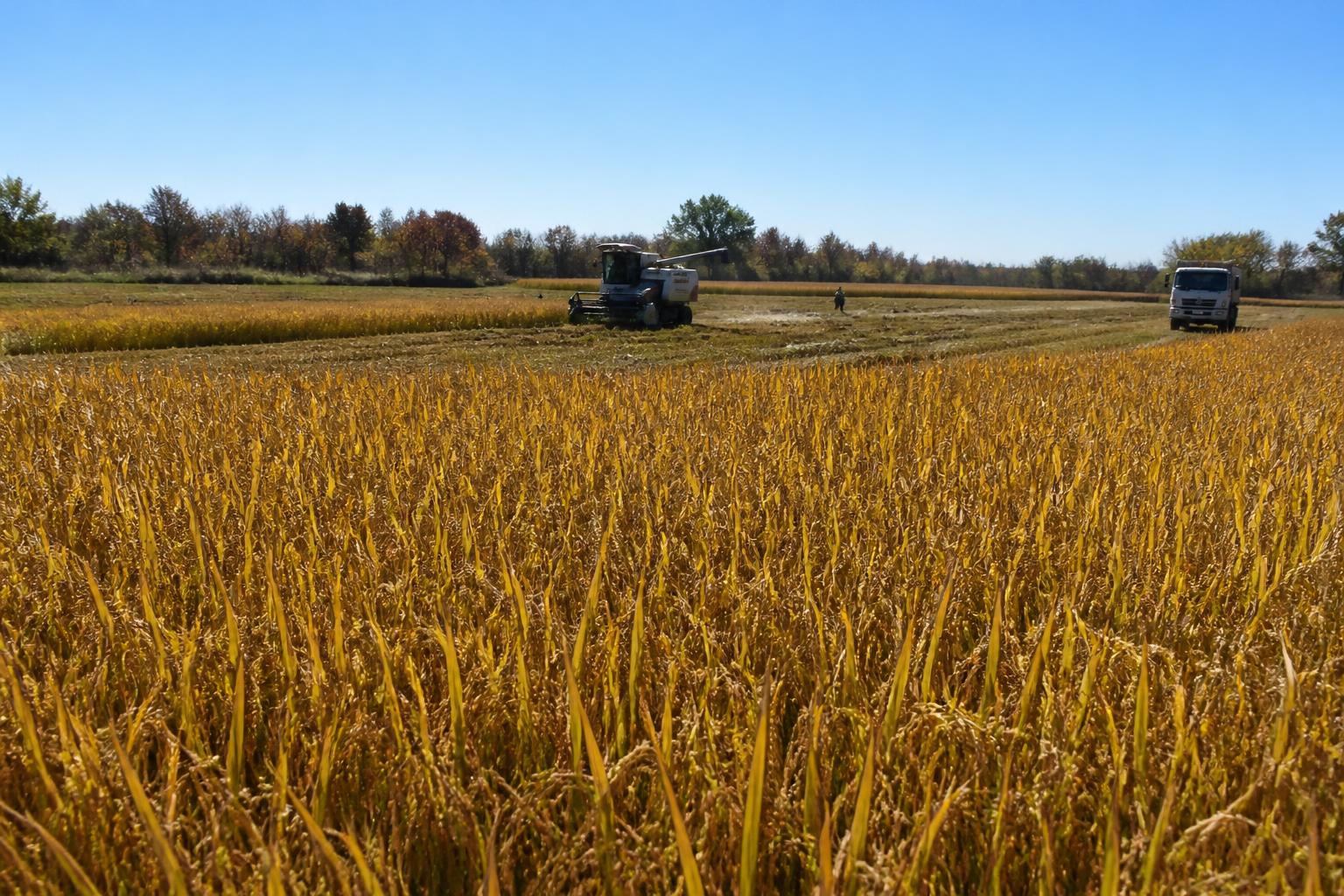
While some national grain markets face challenges, California rice production continues to demonstrate localized strength. The divergence between the performance of long-grain states and regional output provides a unique backdrop for handlers and exporters. Maintaining this momentum often requires navigating complex logistics and shifting operational realities that define the state's distinct agricultural economy.
Input Market Volatility and Compliance
The fertilizer landscape is currently characterized by both localized opportunity and broader economic friction. While new funding initiatives aimed at increasing domestic fertilizer production seek to bolster long-term supply, current market sentiment remains cautious due to tariff-related rumors. For those involved in regional grain markets and logistics, these inputs are critical variables in the broader cost-of-production equation this season.
Workforce and Regulatory Outlook
Labor and compliance costs remain top-of-mind for many California operators. Discussions surrounding agricultural overtime laws and the need for ongoing workforce training continue to influence how farms and processors approach their seasonal planning. As the industry matures, the focus has shifted toward building sustainable, compliant systems that can withstand both regulatory oversight and evolving operational pressures.
What it means for the market
For California growers and grain handlers, the current environment demands high levels of agility. Success this season will likely depend on balancing long-term input security against short-term regulatory compliance. As the industry adapts to fewer chemical options and potential supply chain fluctuations, those who prioritize precision, verified input sourcing, and logistical flexibility will be best positioned to navigate the remainder of the fall season.
Comments
No comments yet - be the first to share your take.