
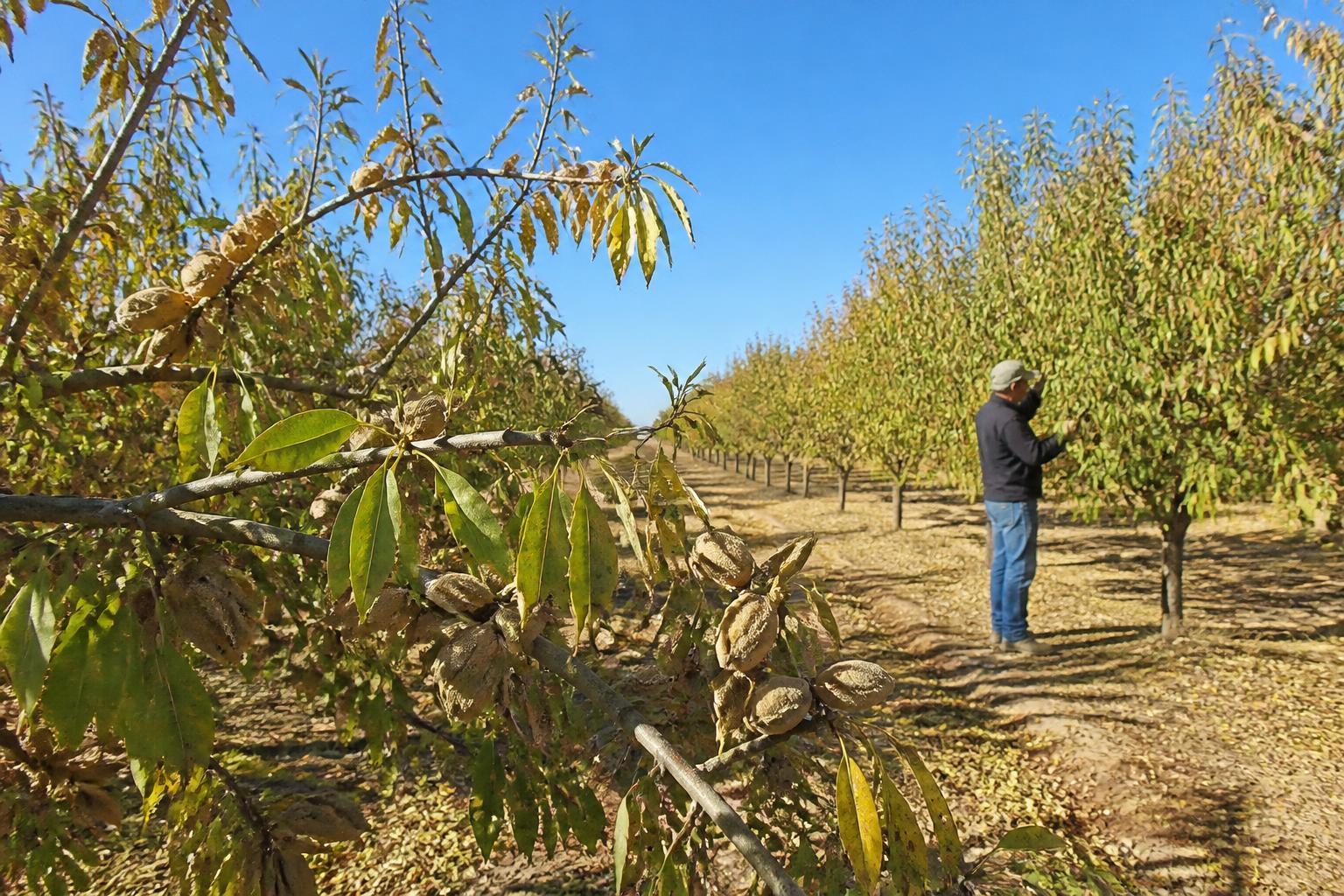
As the fall harvest season reaches full momentum across California, producers are navigating a shifting landscape defined by persistent resource constraints and mounting regulatory pressures. Growers from the Central Valley to coastal regions are reporting that the ability to secure reliable access to water and utility infrastructure remains a primary concern for long-term farm viability. The competition for resources is increasingly impacting operational planning, forcing many to prioritize efficiency and investment in new protective technologies to safeguard crop yields.
For those managing nut and fruit orchards, the current period represents a critical window for stabilizing supply chains. Growers are increasingly looking toward biological protection and advanced orchard management to maintain margins in an environment where overhead costs are under consistent upward pressure. As commodities move from field to facility, the focus on logistics and market access is sharpening, particularly for exports that rely on the state's intricate transportation network.
Water and Regulatory Hurdles
Water security remains the cornerstone of the conversation surrounding the future of California agriculture. With fluctuating availability affecting planting and irrigation decisions, many operations are focusing on long-term sustainability to buffer against future shortages. Additionally, the broader regulatory environment, including ongoing discussions surrounding compliance and land use, continues to command attention from agribusiness leadership. These policy factors are not merely administrative; they are shaping daily on-farm decisions regarding everything from crop selection to irrigation infrastructure investment.
Logistics and Infrastructure Reliability
Managing the seasonal influx of harvested crops requires seamless coordination between transport providers and storage facilities. Producers are finding that optimizing logistical flow during peak harvest is essential to minimize spoilage and keep storage costs manageable. With the harvest underway, the synchronization of labor, trucking capacity, and elevator intake is proving to be a significant test of regional infrastructure capabilities.
What it means for the market
For California agribusinesses, the coming months will likely be defined by a focus on resilience. While market volatility for high-value crops like almonds and citrus persists, the ability to adapt to external constraints—such as water scarcity and regulatory compliance—will be a primary driver of operational success. Stakeholders should continue to prioritize operational agility to navigate the remainder of the fall season successfully.
Comments
No comments yet - be the first to share your take.