
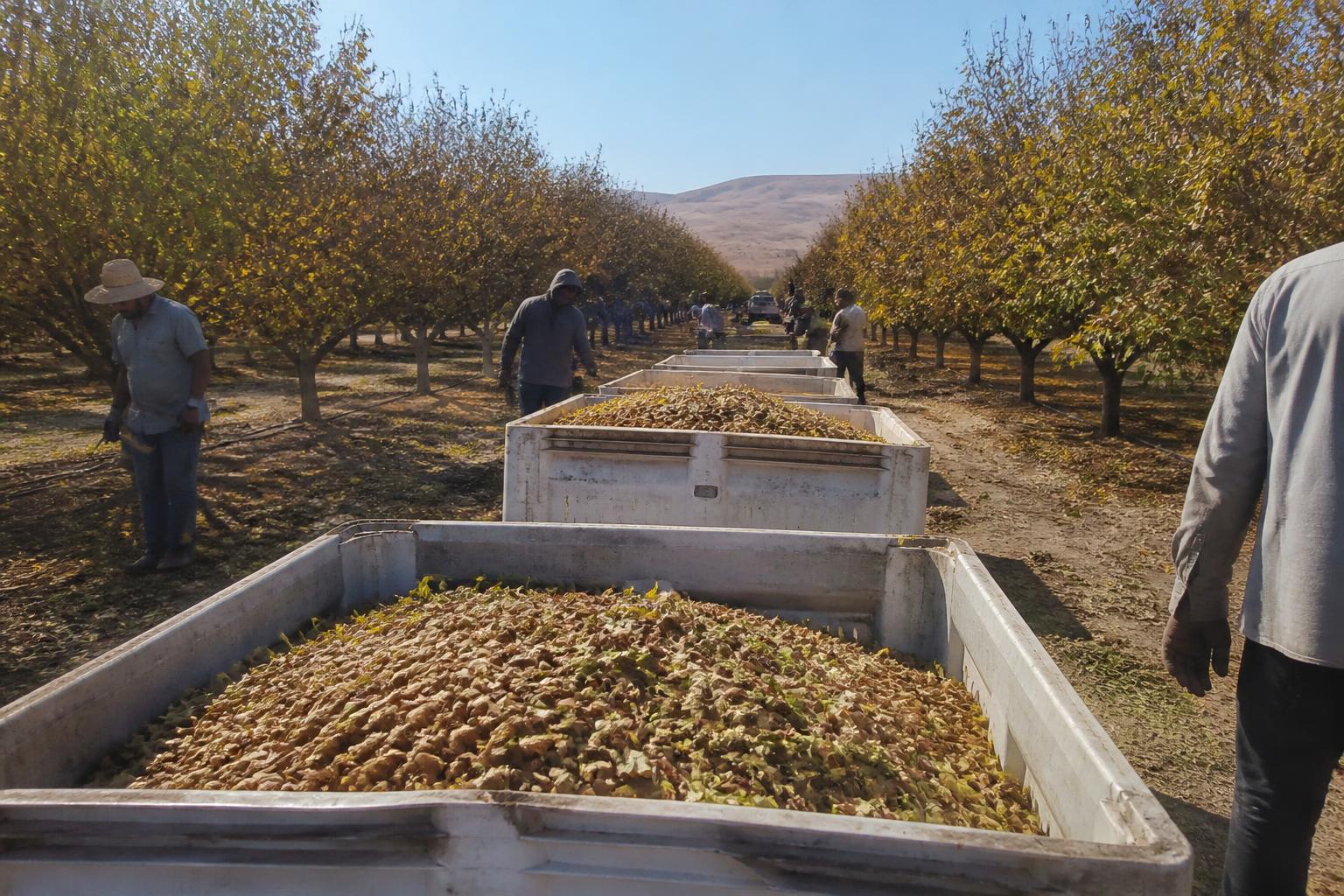
California's agricultural landscape is currently balancing a complex mix of mid-harvest productivity and structural shifts in the supply chain. As growers continue to move output through regional transit corridors, the recent closure of major agricultural trucking entities has underscored the fragility of local freight capacity. For many producers, this adds another layer of complexity to an already tight logistics environment that has faced persistent challenges in both export efficiency and domestic distribution.
Operational resilience has become a central theme as firms weigh the costs of maintaining reliable hauling against the realities of a shifting regulatory climate. The conversation around practical leadership in agriculture is gaining momentum, particularly as industry stakeholders push for clearer pathways to navigate the interplay between environmental requirements and the economic demands of farm-to-market logistics. Whether managing specialized equipment or relying on third-party carriers, operators are increasingly focused on identifying efficiencies in a sector where margins remain sensitive to overhead costs.
Adapting to Infrastructure and Export Realities
The state's export infrastructure continues to see impacts from historical bottlenecks, which have prompted a broader look at how crops reach international and domestic hubs. While export volume remains a major focus for specialty growers, logistical precision is paramount. Recent investments in grain and commodity transport technology, including AI-driven barge platforms, reflect a growing trend toward digitizing and optimizing the movement of goods to bypass traditional congestion points. These advancements may offer some relief for operators working to keep product flowing during peak harvest windows.
Input Stability and Emerging Market Opportunities
Beyond the movement of harvest output, the agricultural inputs sector is showing signs of volatility that warrant close attention from farm managers. Retail fertilizer pricing remains mixed as producers look toward the upcoming season, and regional market analysts suggest that global pressures continue to influence the baseline costs for California growers. Despite these headwinds, new market frontiers are emerging. Potential regulatory shifts surrounding ethanol, including proposed rulemaking for E15 fuel, could eventually open new demand channels for U.S. farmers, creating a broader, more diversified revenue landscape for those positioned to adapt.
For a deeper look into the evolving regulatory climate, read our latest analysis on the biological protection landscape affecting regional operations.
What it means for the market
The immediate outlook for California agribusiness is defined by a need for agility. With transportation capacity tightening, producers who have diversified their logistics partnerships and closely monitored input costs are likely to maintain better footing. Moving forward, the successful integration of technology into traditional transport chains and a sustained focus on regulatory navigation will likely determine the competitive edge for growers through the remainder of the fall season.
Comments
No comments yet - be the first to share your take.