
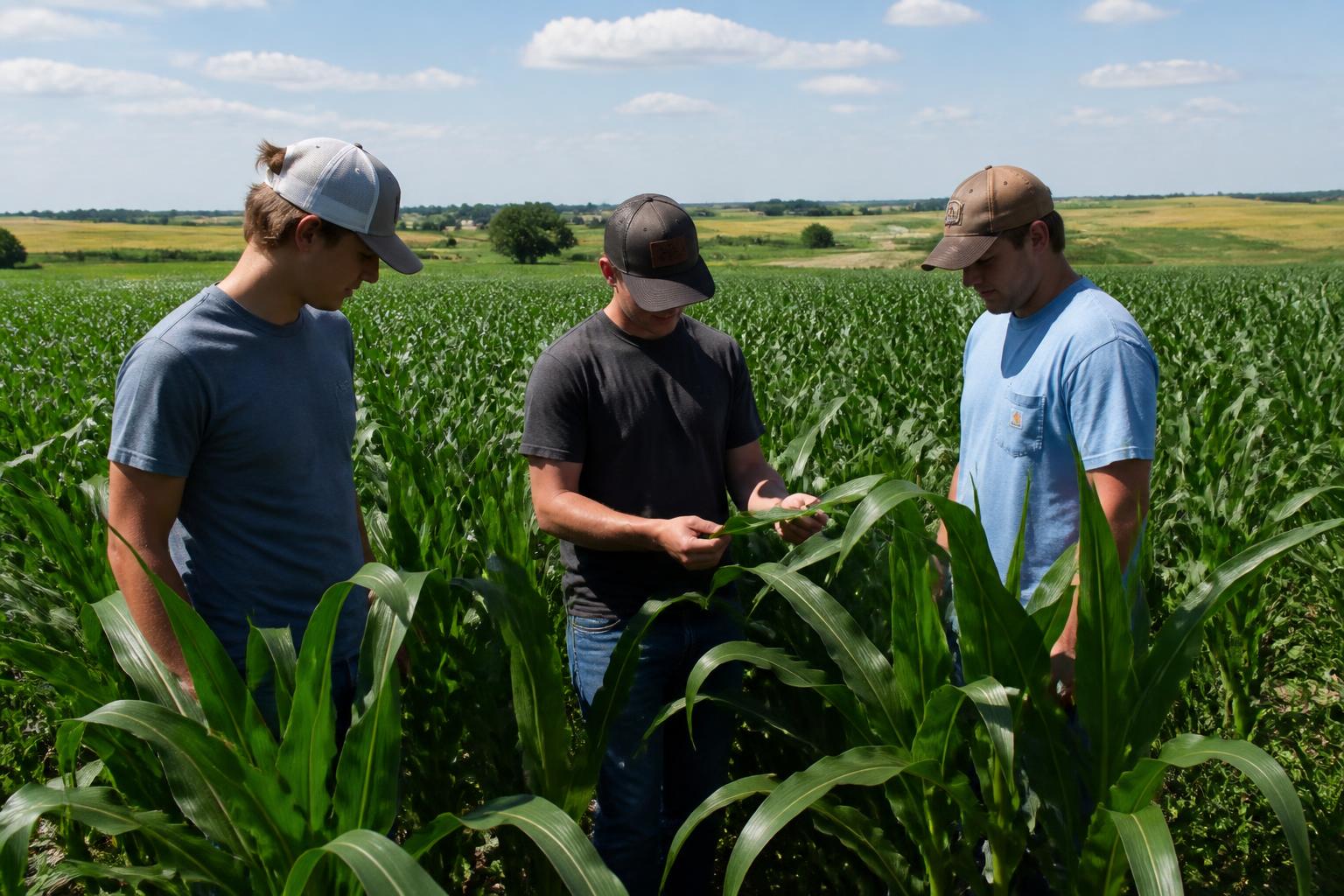
As the summer heat settles over the High Plains, Kansas producers are navigating a shifting agricultural landscape marked by stabilizing land values and changing planting decisions. While global trade dynamics and export markets remain unpredictable, the overall message from regional economic observers is one of resilience. This stability provides a solid foundation for farmers across the state who are balancing input costs with long-term capital planning.
Stable Land Values Anchor the Local Economy
According to industry reports from early 2026, Kansas agricultural land values have begun to stabilize. After a period of volatile shifts, this leveling off offers a sigh of relief for both buyers and sellers of farm property. In many western and central Kansas counties, steady land markets allow producers to plan future operations with greater confidence.
Understanding these property trends is essential when evaluating broader grain market shifts in Kansas, where the value of the dirt beneath the crops directly influences borrowing capacity and operational expansion. Local operators are increasingly focused on optimizing their existing acreage to maximize returns in a steadying market.
Acreage Decisions and the Rise of Western Kansas Corn
A notable trend this season is the ongoing shift in crop selection, particularly in the western half of the state. Corn acreage in western Kansas has seen unexpected growth, driven by evolving agronomic practices, drought-tolerant seed varieties, and local feed demands.
This transition comes at a time when other traditional crops face headwinds. For instance, some Kansas soybean producers are expressing concern that long-term access to certain international buyers, particularly the Chinese market, may be permanently diminished. To manage these risks, growers are diversifying their crop rotations. However, adapting to new crops also requires managing local weed pressures, which can be incredibly costly if left uncontrolled. Implementing efficient crop protection is key to protecting summer crops from weeds and pests before they impact final yields.
Macro Resilience and Logistics
Recent analysis from the Federal Reserve Bank of Kansas City reinforces a message of financial resilience across the U.S. agricultural sector. While margins are tighter than in previous years, the situation is categorized as one of adjustment and endurance rather than an outright crisis.
Even so, physical logistics remain a critical variable for moving these crops to market. Managing transportation costs and navigating logistical and rail pressures can determine whether a farm business captures a profit on their newly harvested grain.
What it means for the market
For Kansas farmers and agribusinesses, the combination of stable land values and economic resilience indicates that now is a time for strategic optimization rather than panic. As western Kansas adjusts its acreage toward corn and away from export-dependent oilseeds, monitoring local logistics and maintaining rigorous weed management will be key to protecting balance sheets through the remainder of the summer season.
Comments
No comments yet - be the first to share your take.