
Under the intense heat of a Southern summer, Arkansas agricultural logistics are facing a critical squeeze. Farmers, elevator operators, and truck fleets across the state are navigating a complex landscape defined by high operational costs, geopolitical disruptions, and fluctuating commodity prices. As the mid-season shipping push intensifies, moving commodities efficiently from the field to regional river terminals and processors has become more challenging than ever.
With major shipping lanes and regional roadways huming with activity, Arkansas agribusinesses are focusing heavily on supply chain resilience. Geopolitical conflicts abroad have triggered volatility in energy markets, which directly impacts the bottom line of domestic haulers. To stay profitable, Arkansas growers are looking for ways of adapting to rising costs and market shifts during this demanding season.
Geopolitical Pressures and Escalating Freight Costs
The global landscape continues to exert direct pressure on localized freight in the Arkansas Delta. Recent international conflicts, including tensions in Iran, have disrupted energy corridors and driven up key agricultural inputs and transportation overhead. For Arkansas rice and grain producers, these elevated transportation expenses arrive at a time of relatively low commodity prices, narrowing profit margins for family operations.
Local logistics providers are feeling the pinch of high diesel and equipment maintenance costs. Transporting heavy grains from field-side bins to local Mississippi River ports or processing facilities requires significant fuel, making optimization a necessity. For many carriers, maximizing truck payloads while staying within legal axle weight limits on rural state highways is a delicate balancing act during the peak summer haul.
Specialty Crops and Shifting Regional Demand
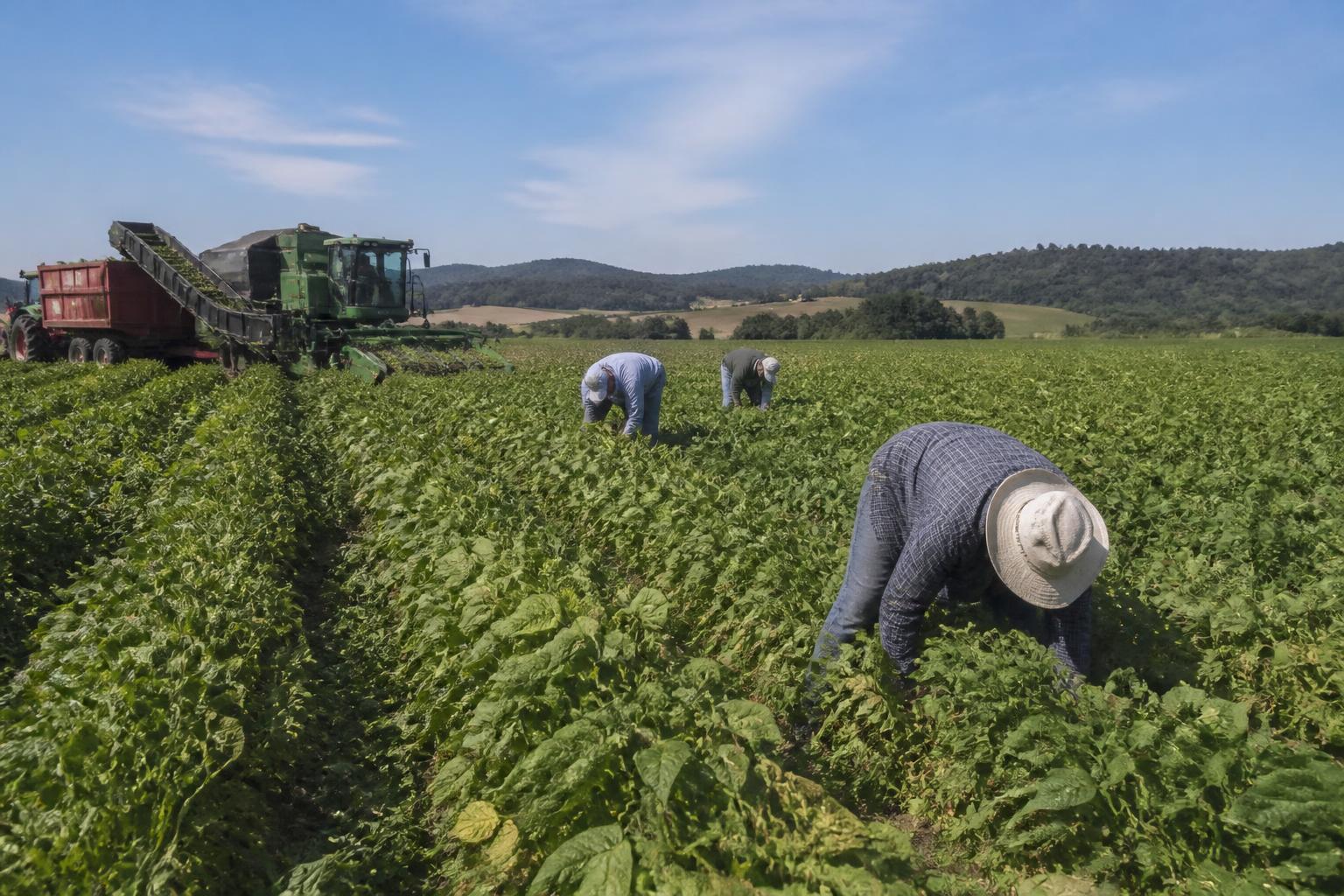
While row crops like soybeans and rice dominate the state-wide shipping volume, specialty crops are also demanding a share of the transport capacity. In central Arkansas, the green bean harvest is underway, requiring rapid, time-sensitive transport to processing and packaging centers to preserve crop quality. This demand for specialized transport units often tightens the local availability of flatbeds and refrigerated trailers.
Furthermore, some growers are pivoting toward specialty grains to secure premium pricing. In Humnoke, Arkansas, local family farming operations are leveraging specialty rice varieties to tap into niche domestic and international markets. Moving these specialty crops requires careful handling and dedicated storage solutions to prevent cross-contamination, which adds another layer of complexity to regional grain elevator logistics.
Key Takeaways for Arkansas Shippers and Carriers
- Plan for Energy Volatility: Geopolitical tensions mean fuel surcharges can fluctuate rapidly; secure contracts early to lock in predictable shipping rates.
- Optimize Equipment Use: Coordinate closely with local elevators and river terminals in the Delta to minimize dwell times for grain trucks.
- Diversify Transport Options: Utilize a mix of short-haul trucking and regional rail or barge networks to navigate localized transport bottlenecks.
What it means for the market
The Arkansas agricultural transport sector must remain highly flexible to offset global headwinds. With high overhead and low commodity prices squeezing margins, the ability to streamline transport routes and negotiate favorable freight contracts will define the financial success of this summer's marketing window. For both independent owner-operators and large-scale fleets, success will hinge on clear communication, efficient scheduling, and a keen eye on global market developments that influence fuel prices at home.
Comments
No comments yet — be the first to share your take.