
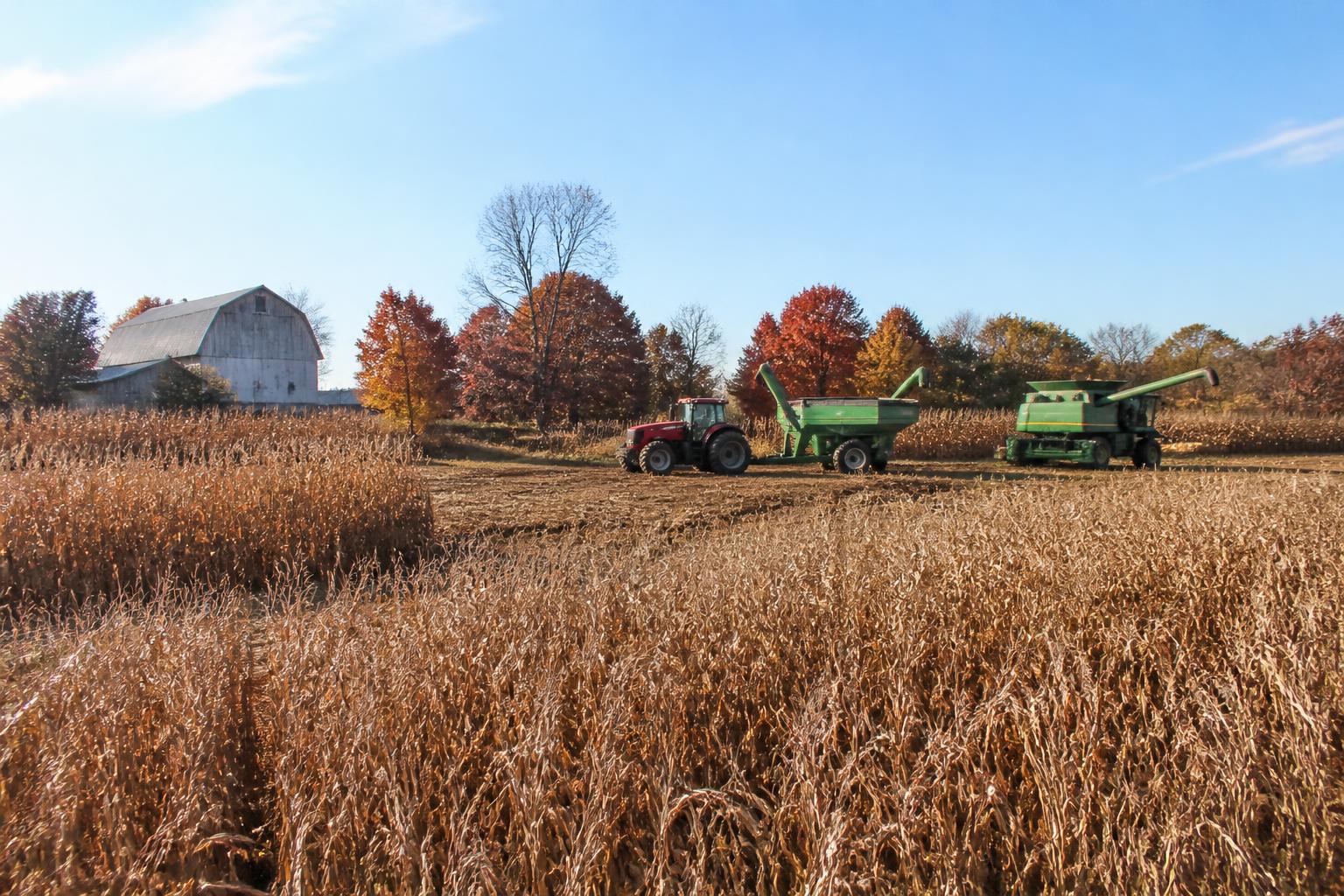
As the fall harvest accelerates across Maryland, growers and grain handlers are keeping a close watch on the shifting logistics landscape. Recent field reports indicate that favorable weather patterns have supported strong yields in several parts of the state, placing a premium on efficient grain movement and storage management. For producers navigating these logistics during the peak October window, the challenge often lies in synchronizing on-farm operations with the variable costs of regional freight.
Understanding Transport and Market Dynamics
Nationally, grain transport cost indicators have shown mixed performance, and Maryland's local agribusinesses are feeling these ripple effects. While global and national logistics costs can be volatile, local grain handlers are prioritizing timely intake to manage the influx of regional production. Producers are often encouraged to evaluate their grain marketing strategies as they transition from field to bin or elevator, ensuring that logistics costs do not erode the gains realized from strong crop performance.
Optimizing Farm Operations
Efficient management remains critical as harvest reaches its seasonal peak. Beyond the mechanics of moving grain, successful agribusiness planning often involves integrating precision technologies and strategic land management. With recent data suggesting that production estimates have grown in some areas, the focus shifts toward maximizing storage capacity and securing reliable transport partners before the late-fall weather patterns complicate secondary road access and field conditions.
What it means for the market
For Maryland growers, the current environment necessitates a proactive approach to supply chain logistics. By staying informed on transport cost trends and maintaining flexible marketing plans, producers can better mitigate the risks of seasonal bottlenecks. As the harvest season continues to progress, those who effectively balance field efficiency with prudent logistics management will be best positioned to capitalize on this year's production levels.
Comments
No comments yet - be the first to share your take.