
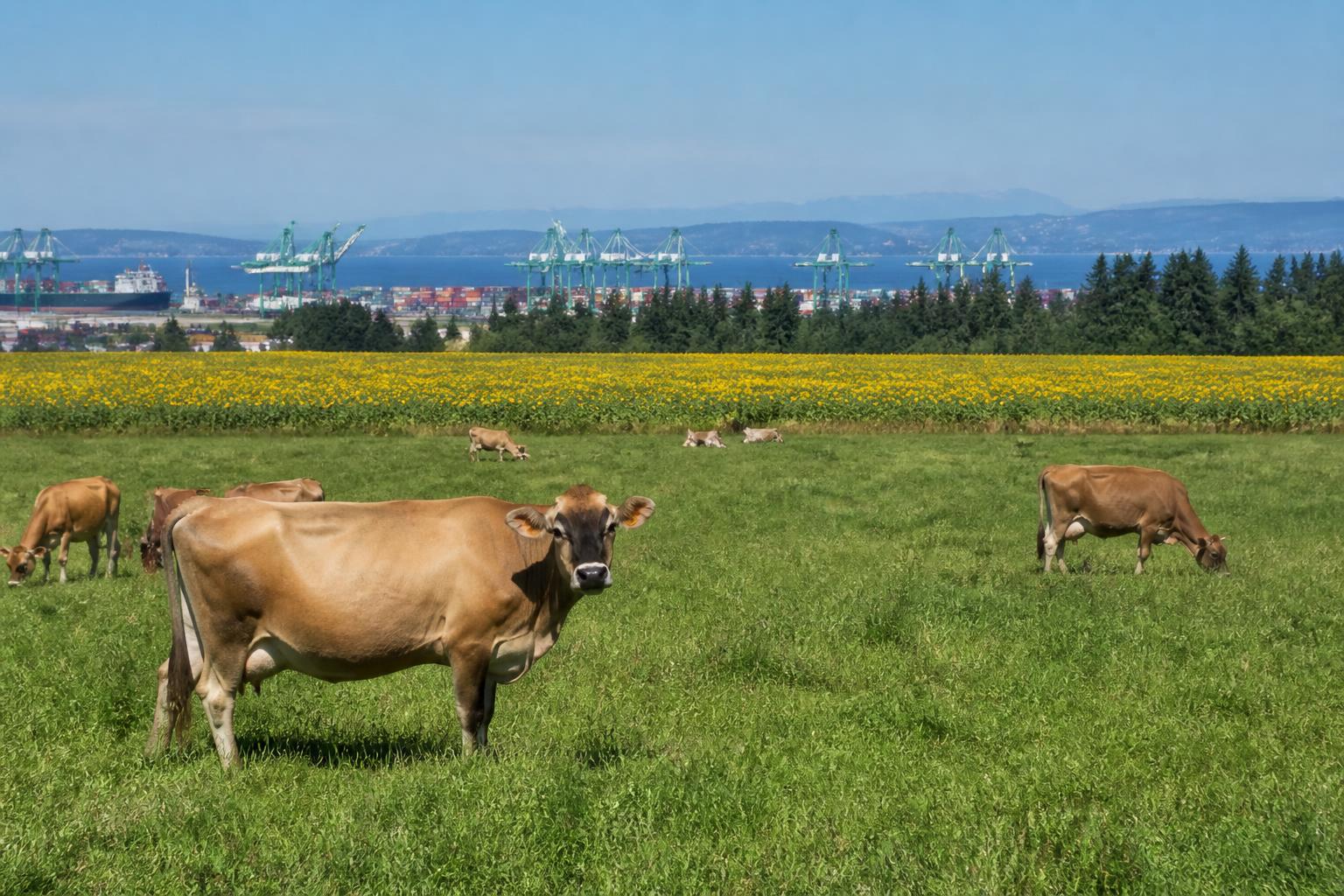
For Oregon agricultural producers, getting high-value crops from the fertile fields of the Willamette Valley and the Columbia Basin to global buyers requires a seamless multimodal transport network. As summer shipping schedules ramp up, the Pacific Northwest agricultural community is navigating significant challenges in ocean freight, while simultaneously eye-ing new developments in regional trucking and air cargo infrastructure.
From specialty crops like hazelnuts to heavy bulk commodities, local growers are forced to adapt as container shipping options shift. With the Port of Portland facing ongoing container service disruptions, finding reliable, cost-effective routes to international markets remains a top priority for agribusinesses trying to manage freight expenses and avoid costly delays.
The Container Crisis at the Port of Portland
Container shipping plays a vital role in Oregon's agricultural economy. For years, regional exporters have relied on container services to ship everything from processed foods to specialty grains. However, recent disruptions and loss of service at the Port of Portland have forced many producers to seek alternative transport solutions, which often involve trucking cargo to rival ports in Washington or relying heavily on rail connections.
These logistical bottlenecks complicate navigating Oregon's grain market dynamics, where timely delivery is critical to maintaining buyer relationships. When container availability drops or terminal access is restricted, the cost of moving freight rises, directly eating into the profit margins of local farmers who are already managing tight operating budgets during the summer harvest.
Upgrades in Trucking and Air Cargo Infrastructure
While ocean freight presents ongoing obstacles, other sectors of Oregon's transport network are seeing forward-looking investments. In Salem, plans are underway for a new electric truck charging depot, reflecting a broader regional push to modernize road logistics. Clean energy trucking infrastructure could eventually help local carriers reduce emissions and lower long-term operating costs along major agricultural corridors like Interstate 5.
On the aviation front, local technology developers like Kawak Aviation Technologies, based in Oregon, are advancing cargo door systems to support the expanding global freighter conversion market. Improved air cargo capacity provides a vital relief valve for high-value, perishable agricultural exports that must bypass ocean ports entirely to reach international markets in prime condition.
Additionally, keeping an eye on regional crop transport challenges helps shippers make informed decisions. Federal regulatory attention, such as proposals to reauthorize the Surface Transportation Board (STB), may also offer future protections for agricultural shippers who rely on rail to move bulk goods to deepwater ports.
Key Takeaways for Oregon Shippers
- Monitor Port Access: Keep close tabs on alternative shipping hubs and rail-to-well container options to mitigate disruptions at Portland terminals.
- Evaluate New Corridors: Look into regional logistics hubs like Salem as truck charging and modern distribution infrastructure continue to expand.
- Assess High-Value Air Options: For delicate or premium products, advanced air freight options may offer reliable alternatives to ocean transport during peak seasons.
What it means for the market
The convergence of container shipping challenges and domestic transit upgrades means that Oregon agribusinesses must remain highly flexible. Producers who can diversify their logistics portfolios - utilizing a strategic mix of regional trucking networks, rail systems, and alternative ports - will be best positioned to weather localized transport bottlenecks this summer. In the long run, investments in electric trucking infrastructure and cargo technology will support a more resilient, modern supply chain across the state.
Comments
No comments yet — be the first to share your take.