
Nevada’s agricultural landscape is currently navigating a period of significant structural shifts. For producers across the state, from the high desert reaches to the fertile valleys near Fallon, the focus remains firmly on managing input volatility and leveraging emerging research. As the industry faces broader economic headwinds, understanding the balance between technological adoption and supply chain stability is essential for maintaining operational resilience.
Input Markets and Fertilizer Dynamics
The fertilizer sector remains a point of intense scrutiny for growers. Recent reports indicate that concerns over potential consolidation within the industry—specifically regarding the acquisition of major production facilities—are fueling uncertainty about long-term nitrogen pricing. For producers managing Nevada's evolving soil fertility landscape, the ability to source inputs efficiently is critical. Many operators are now looking closer at supply chain transparency and the stability of established partnerships to mitigate the risks associated with market monopolization.
Technology as a Strategic Buffer
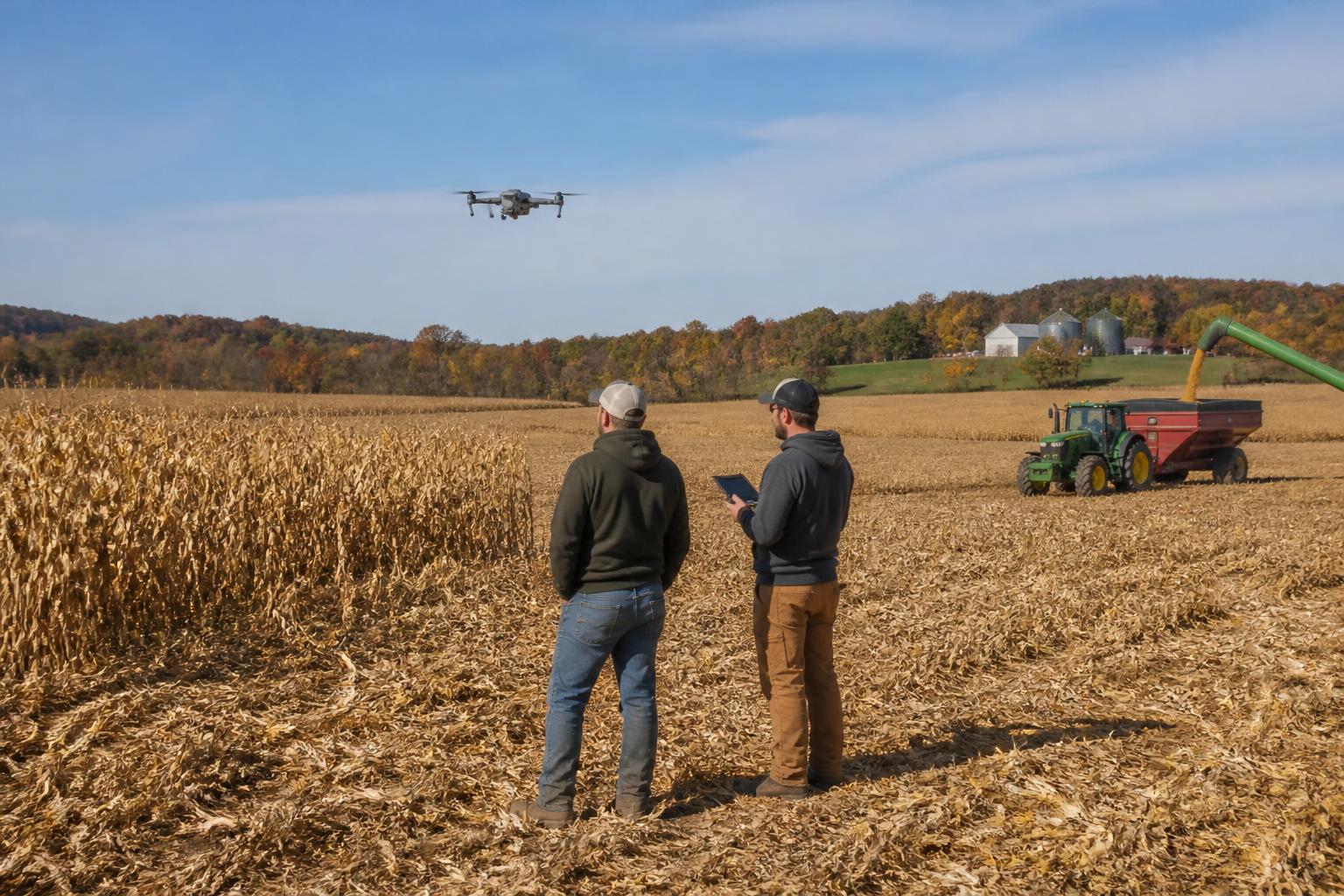
Beyond inputs, the integration of data-driven tools is changing how Nevada farms approach resource management. Whether it is adopting precision drone applications or utilizing site-specific research findings from local field days, technology is increasingly viewed as a mechanism to tighten margins. Growers who prioritize fall soil fertility and resource planning are finding that precision tools can help offset some of the inflationary pressures impacting the broader agribusiness sector.
What it means for the market
For Nevada agribusinesses, the immediate outlook requires a defensive posture regarding input procurement. As fertilizer markets react to global supply chain consolidation, producers may benefit from diversifying their supplier base and locking in essential nutrients early. While technological innovation offers a path to long-term efficiency, the near-term priority for grain handlers and farmers alike is maintaining liquidity and managing the direct costs associated with an increasingly concentrated agricultural supply chain.
Comments
No comments yet - be the first to share your take.