
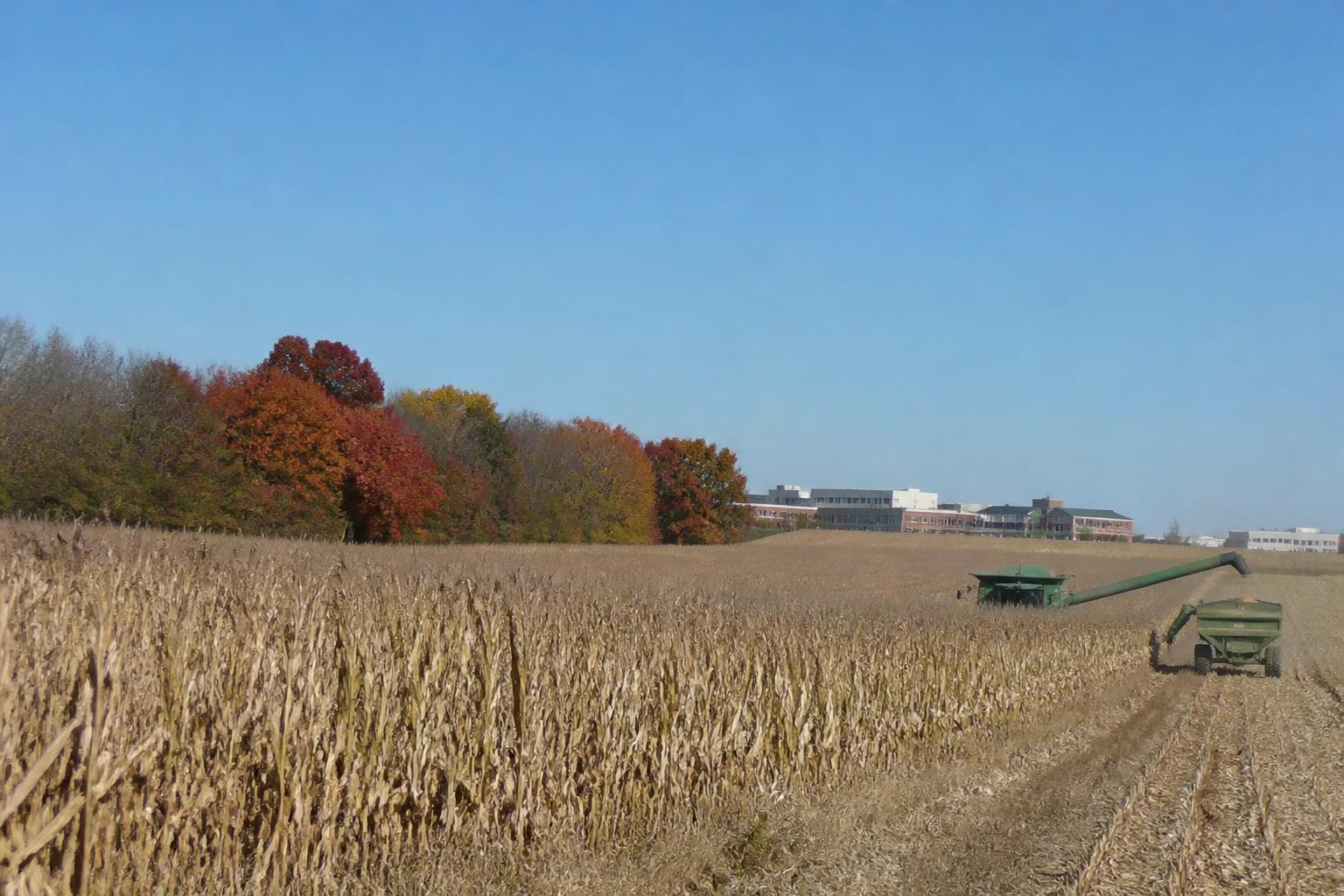
As Nebraska operations push through the fall harvest, the interplay between local logistics and broader market forces remains a critical focal point for producers. With a significant portion of Nebraska corn destined for export markets, the pressure on local supply chains remains high, even as some regions grapple with unique challenges ranging from water availability in the west to infrastructure integrity following storm activity.
Adapting to Input and Infrastructure Shifts
The current environment has forced many Nebraska agribusinesses to rethink their operational strategies. For instance, producers are increasingly navigating rising operational costs, which ripple through every stage of the production cycle. Simultaneously, the focus on maintaining efficient infrastructure and market flow is more relevant than ever. As grain movement accelerates, keeping an eye on regional logistics and storage availability can help mitigate some of the seasonal bottlenecks often seen at peak harvest.
Innovation in the Field
Despite these headwinds, the state continues to serve as a hub for agricultural innovation. Recent expansion in research and development facilities within the state underscores Nebraska's enduring role in creating the machinery that powers global harvests. For local growers, this proximity to technical advancement can be a vital resource when addressing field-specific hurdles, whether they involve managing tight margins or optimizing equipment performance during the demanding fall months.
For those managing grain movement, keeping abreast of changing field conditions and fuel costs is essential as we move closer to the winter months. Understanding how these variables intersect with your local elevator capacity and regional transportation networks will continue to be a primary driver of success through the end of the year.
What it means for the market
Market participants should prioritize flexibility as the season concludes. With shifting export dynamics and localized infrastructure pressures, farmers and grain handlers who remain proactive in their storage and logistics planning will be better positioned to navigate potential volatility. Monitoring local basis levels and maintaining open communication with regional transport providers will be key to managing the final push of this year's harvest.
Comments
No comments yet - be the first to share your take.