
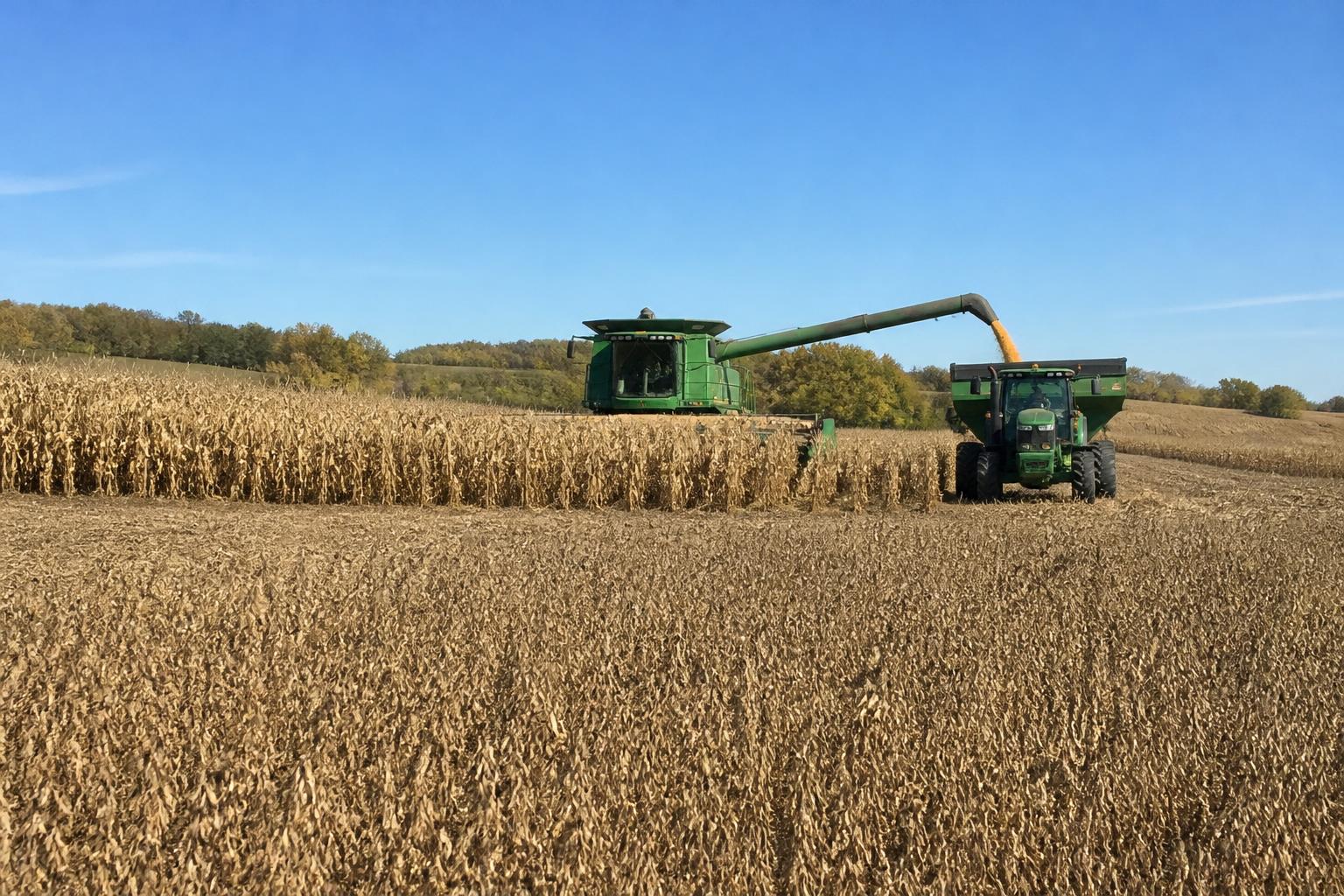
Nebraska producers are witnessing a complex end to the harvest season. While certain regions are reporting strong production outcomes, the economic reality behind the combine header remains challenging. Many growers are finding that the excitement of high-yielding fields is being tempered by a significant escalation in the cost of doing business, particularly regarding maintenance and input procurement.
With parts prices for critical farm equipment rising nearly 70% since 2020, maintenance budgets are facing unprecedented strain. For many, the focus has shifted from record-setting volume to the granular details of operational efficiency. Managing these margins is increasingly vital as growers evaluate their financial protection and risk management strategies for the upcoming cycle.
The Dual Challenge: Infrastructure and Inputs
Beyond the immediate demands of the field, logistical hurdles continue to play a role in seasonal profitability. Data from recent rail and freight reports highlight the importance of movement efficiency, especially as elevators manage the flow from a productive harvest. When grain cannot move efficiently, storage capacity becomes a premium asset, forcing many to reconsider their onsite on-farm storage and market timing capabilities.
- Maintenance Planning: Proactive ordering of parts is becoming a necessity to mitigate the volatility in equipment repair costs.
- Input Management: Tightening operational budgets is driving a sharper focus on precision agriculture and input optimization to protect bottom-line returns.
- Logistical Awareness: Monitoring rail and transport availability remains a key factor in ensuring local basis levels remain supportive of farm-gate income.
What it means for the market
The current environment suggests that for many Nebraska agribusinesses, the primary challenge has moved from production volume to cost containment. As farmers finalize their fall operations, the ability to control input expenditures and optimize equipment longevity will be the deciding factor in maintaining long-term financial viability. Producers are encouraged to look closely at their procurement contracts and logistics partnerships to insulate themselves against further inflationary pressure as they prepare for the next planting season.
Comments
No comments yet - be the first to share your take.