
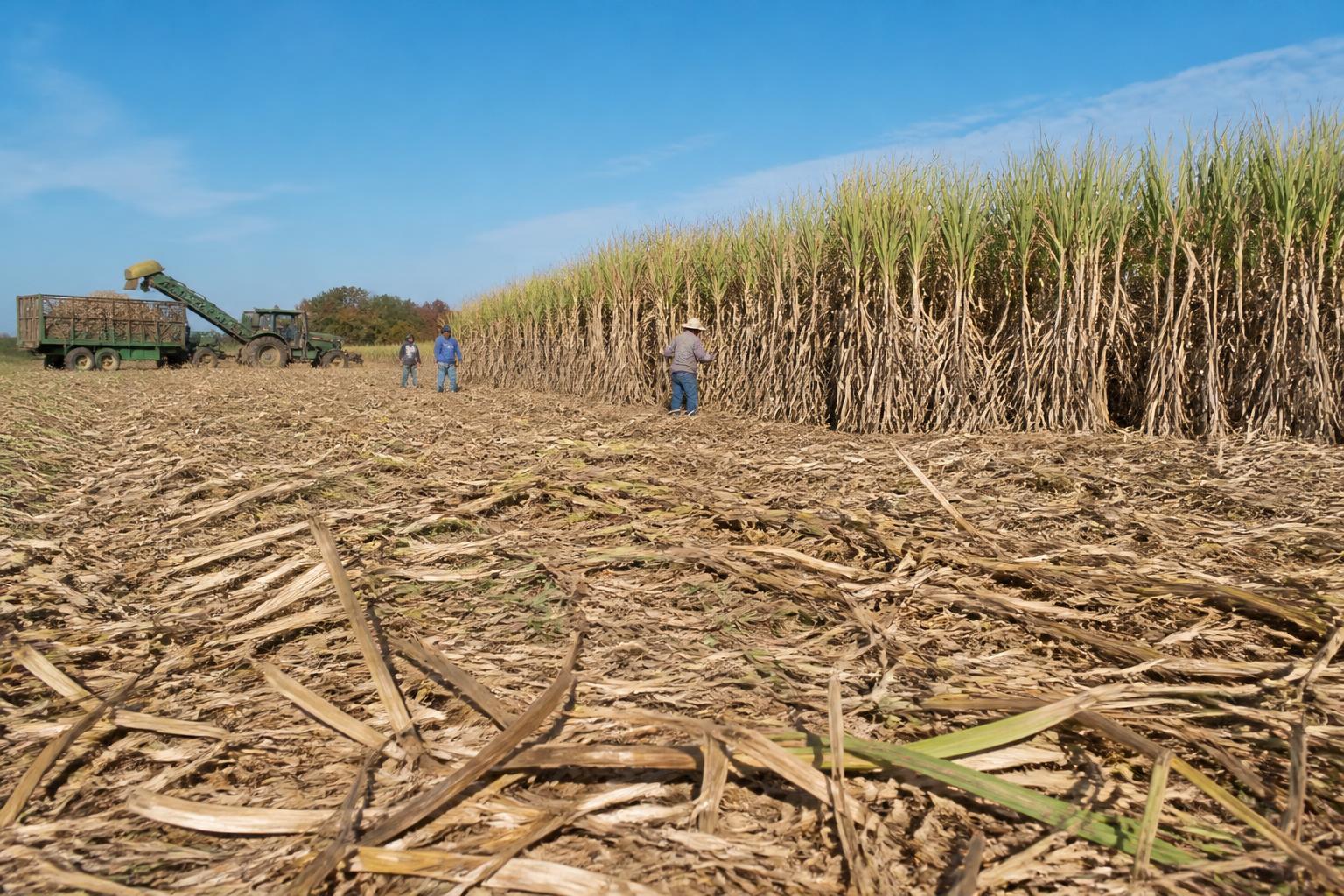
For Louisiana producers, the fall season represents a critical period of logistics management and operational planning. Recent reports indicate that while Gulf Coast export bids have shown mixed results, the flow of commodities through major terminals remains a central focus for grain handlers and carriers across the state. Efficient movement to the coast is essential, particularly as harvest timelines for key crops align with seasonal export activity.
Infrastructure and Fertilizer Investments
The state's agricultural sector is seeing significant long-term investments in supply chain stability. New initiatives, such as the announced phosphate fertilizer plant slated for a 2028 startup, reflect an effort to bolster domestic inputs within the region. These developments are often watched closely by agribusinesses looking to hedge against global supply volatility and reduce reliance on long-haul logistics for critical nutrients.
Furthermore, additional ammonia production capacity in the works signals a potential shift in how input buyers approach their annual procurement strategies. These regional facilities may eventually offer a more localized alternative to international supply chains, which have historically been susceptible to fluctuating transportation costs and port congestion.
Logistics and Operational Costs
Logistics continue to be a primary area of concern for operators. As fuel price volatility persists, farmers and carriers often adjust their transport routes to optimize efficiency, particularly when moving grain from inland elevators to the Port of New Orleans. With ongoing logistics and fertilizer market updates, many firms are placing a higher premium on proximity to processing hubs and export terminals to protect margins.
For those involved in grain logistics and market planning, the current environment necessitates a proactive approach to contracting and storage management. Staying ahead of the curve is vital, especially when seasonal demand pressures mount at the port facilities.
What it means for the market
Market participants should maintain a focus on both immediate export demand and the long-term shift toward localized input production. While current logistics remain tied to established Gulf corridors, infrastructure projects currently in development may change the competitive landscape for fertilizer procurement in the coming years. Producers are encouraged to monitor regional harvest progress and input outlooks to better time their purchases and mitigate exposure to transportation-related price spikes.
Comments
No comments yet - be the first to share your take.