
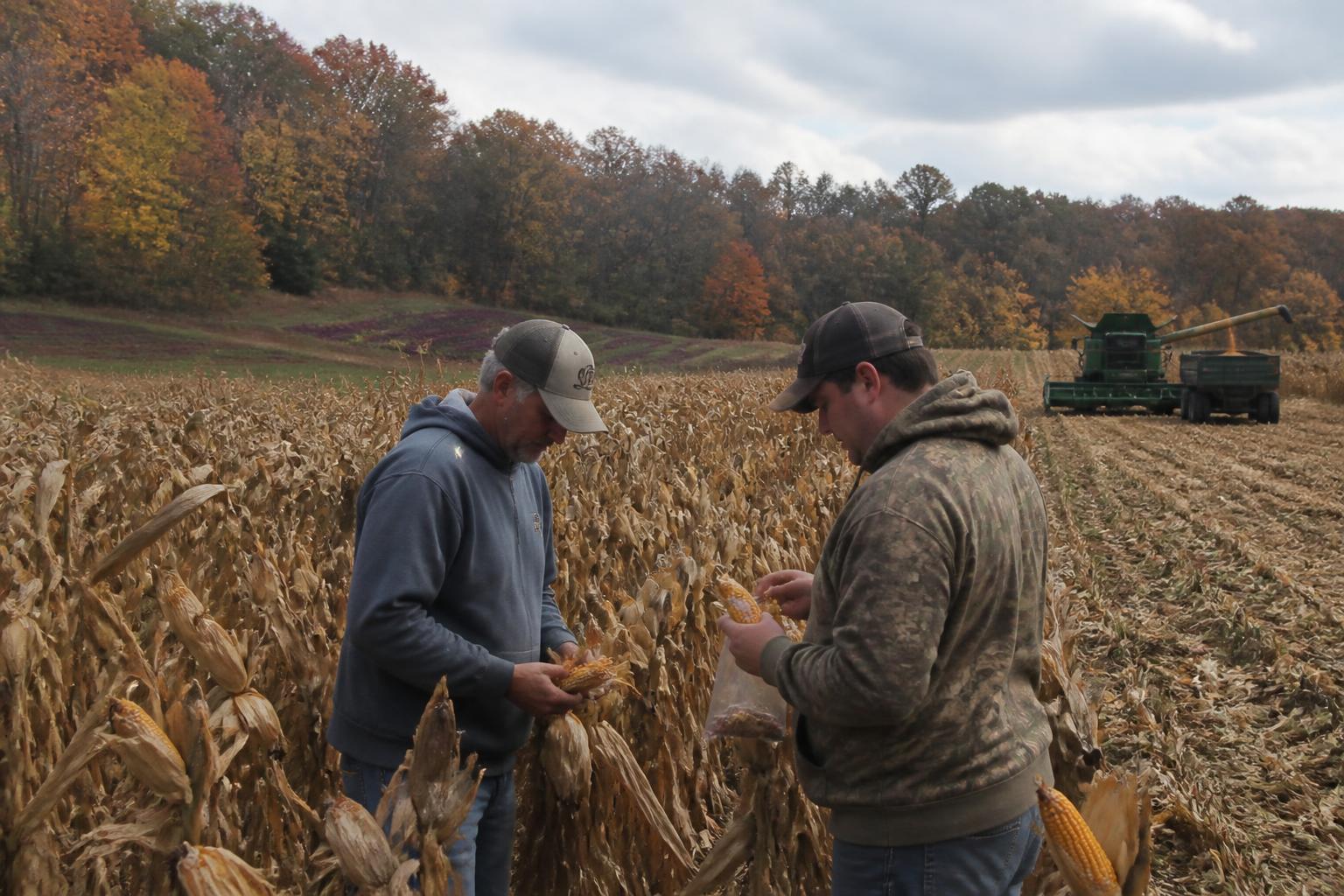
Heightened Attention to Grain Quality
With the current fall harvest window in full swing, North Carolina grain producers are facing a critical reminder regarding crop quality. Agricultural experts are strongly encouraging growers to conduct thorough aflatoxin testing across corn lots. Ensuring grain safety not only protects the supply chain but is a necessary step for those looking to maintain strong market access as commodity volumes reach elevators and storage facilities across the state.
Maintaining rigorous testing protocols helps local handlers manage inventory more effectively, reducing the likelihood of load rejections at regional collection points. By staying proactive, farmers can better navigate logistical hurdles related to harvest throughput and storage space that often intensify during the peak of the autumn season.
Operational Efficiency in a Cost-Conscious Environment
Beyond crop quality, the broader agricultural sector remains focused on balancing operational resilience against persistent input costs. In many of North Carolina's primary agricultural regions, producers are evaluating every logistics dollar, from fuel efficiency in heavy transit corridors to the timing of regional deliveries. As harvest traffic increases, optimizing transport routes and delivery schedules is increasingly vital for agribusinesses looking to preserve margins.
While infrastructure improvements are underway in various parts of the state, managing the flow of heavy machinery and commercial grain trucks requires careful planning. The combination of seasonal traffic and potential congestion on rural highways means that logistics management is as much about timing as it is about physical capacity.
Key Takeaways for Producers
- Prioritize Testing: Screen corn early to avoid complications at point-of-sale and to ensure compliance with storage facility requirements.
- Monitor Transit Routes: Anticipate increased harvest-related congestion, particularly on secondary roads leading to grain elevators.
- Optimize Storage: Coordinate closely with local elevator managers to align delivery schedules with available capacity.
What it means for the market
The market environment remains cautious as growers balance the logistical pressure of the fall harvest with quality control mandates. For North Carolina producers, the immediate focus is on minimizing losses due to grain contamination while keeping transport costs in check. Those who prioritize transparent communication with their buyers and maintain strict quality standards may find themselves in a stronger position to manage current market volatility throughout the remainder of the season.
Comments
No comments yet - be the first to share your take.