
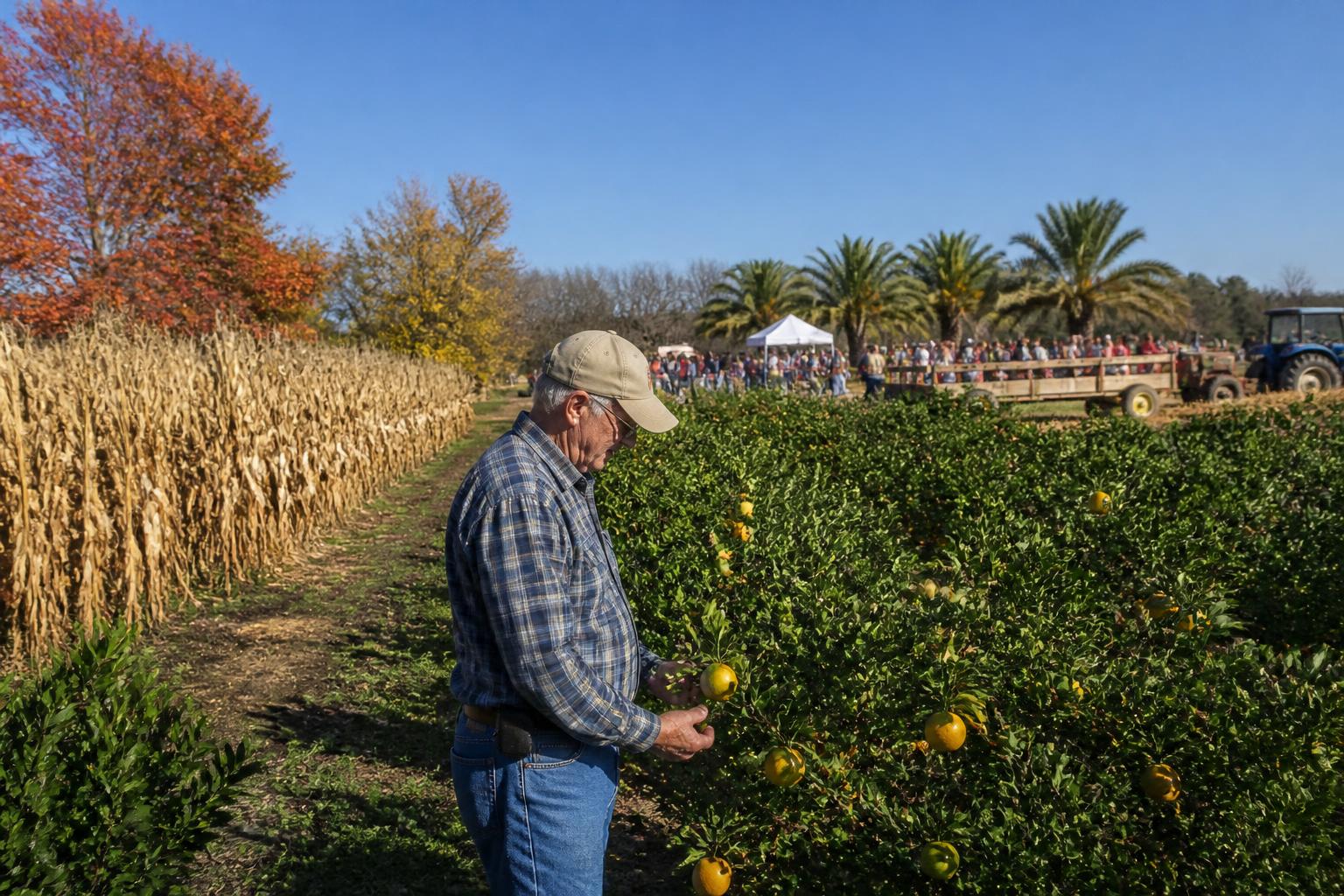
As the Florida agricultural sector transitions through the peak of the fall season, producers across the state are navigating a complex landscape defined by shifting input availability and regional logistical constraints. While growers maintain a focus on seasonal crop management, the broader agribusiness environment is being shaped by tighter supply chains for essential crop nutrients, particularly sulfur and phosphate products, which remain subject to global and domestic market volatility.
For many farm businesses, the ability to maintain predictable operations often hinges on the agility of regional supply networks. Disruptions in the availability of key soil amendments can force producers to adjust their procurement strategies mid-season, emphasizing the importance of local distribution reliability. Reliable access to inputs remains a cornerstone for maintaining productivity across Florida's diverse farming regions, from the central ridge to the southern coastal production areas.
Adapting to Input Market Realities
Recent shifts in the availability of essential fertilizer inputs have prompted many agribusinesses to reevaluate their procurement timelines. With global supply constraints often impacting regional pricing, farmers are increasingly looking toward diversified sourcing to mitigate the risk of shortages. Staying informed on Florida's fertilizer market trends can provide a necessary edge when managing tight margins during this time of year.
Furthermore, regional logistics continue to play a critical role in the movement of goods. Whether moving heavy equipment along major highway corridors or coordinating specialized transport for perishable goods, the efficiency of Florida's seasonal logistics channels is vital for timely field operations. Producers are reminded that proactive communication with logistics partners can often help navigate the unpredictable nature of regional transport demand during the height of the fall harvest.
Managing Operational Risks
Beyond inputs and logistics, the industry faces ongoing challenges related to cost-share programs and land management. Keeping abreast of market uncertainty and seasonal pressures is essential for sustainable farm management. Effective planning, combined with a clear understanding of shifting regional policies and facility operations, supports the long-term viability of Florida's agricultural operations.
What it means for the market
The current market environment suggests that Florida producers should prioritize supply chain transparency and early coordination with input suppliers. As phosphate and sulfur availability remains a variable in the cost equation, securing necessary resources well in advance of application windows may help hedge against potential logistical bottlenecks and price fluctuations as the year draws to a close.
Comments
No comments yet - be the first to share your take.