
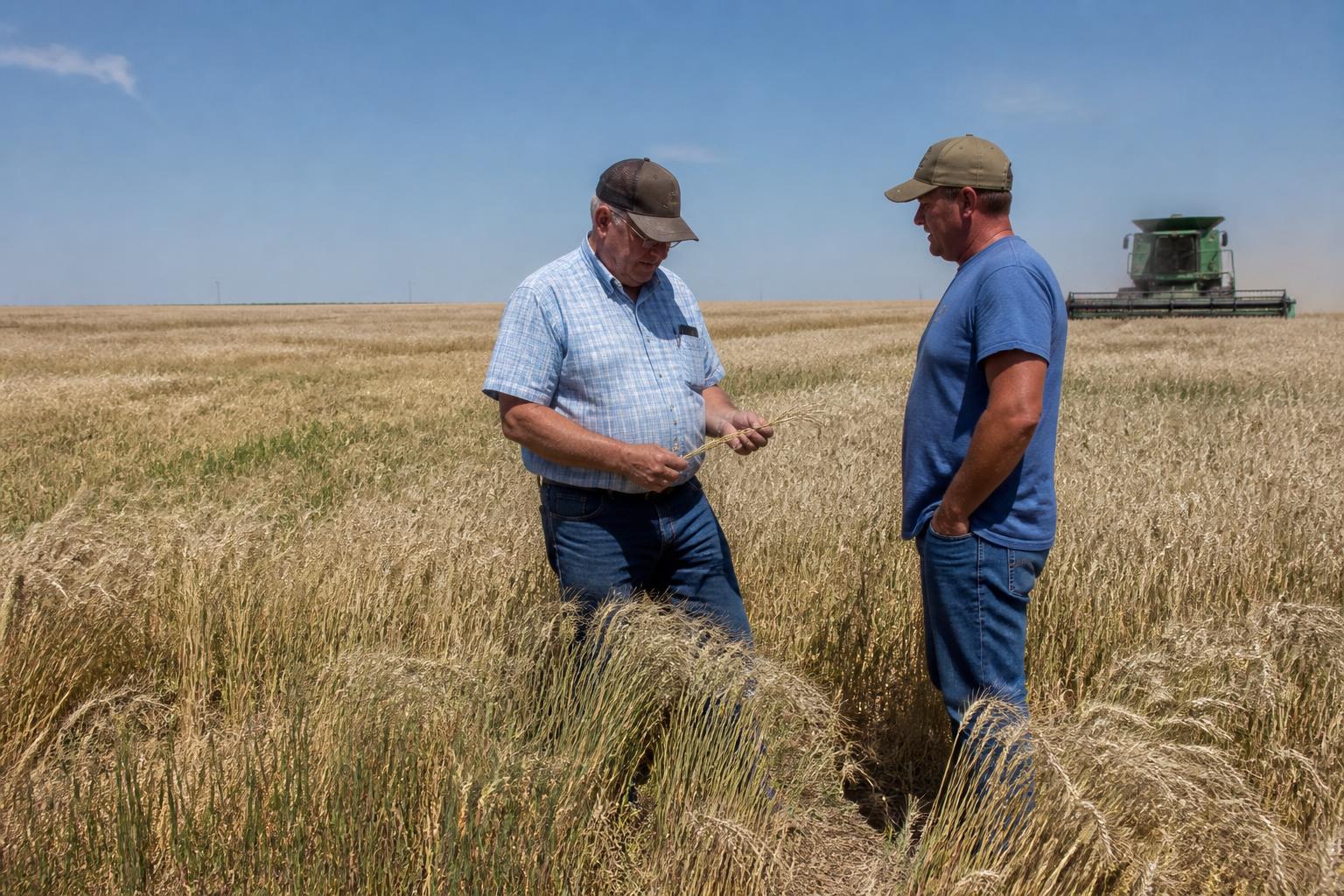
As the summer harvest gets underway across Kansas, the agricultural logistics landscape is experiencing significant shifts. A major consolidation move has caught the attention of regional grain shippers: Consolidated Grain and Barge Co. (CGB) has acquired Agforce Transport Services, a prominent third-party logistics company. This acquisition comes at a critical time when local agribusinesses are managing both tight transportation budgets and fluctuating crop volumes due to persistent dry conditions.
For Kansas growers and elevators, transportation efficiency is vital during the high-demand summer months. With energy costs squeezing farm budgets and consolidation reshaping shipping networks, understanding these freight developments is essential to maintaining margins and ensuring timely grain movement.
The CGB Acquisition of Agforce: What It Means for Freight
The acquisition of Agforce Transport Services by CGB marks a notable consolidation in the agricultural freight sector. Agforce, known for its freight brokerage and transport management services, will now integrate into CGB’s extensive network of grain elevators, terminals, and logistics operations. This integration is expected to streamline freight options, providing shippers with more centralized access to truck, rail, and barge assets across the Midwest.
For local operators, this merger highlights a broader trend of logistics providers scaling up to offer end-to-end supply chain services. While larger logistics networks can offer more reliable scheduling, they also mean fewer independent transport options for small-to-midsize agribusinesses. Navigating these consolidated networks requires close attention to contract terms and shipping windows, particularly during the peak harvest run.
Harvest Logistics Confront Drought and Market Pressures
The logistics shakeup arrives as Kansas shippers adapt to a challenging summer harvest. Recent field assessments, including regional wheat tours, have highlighted significant drought damage across parts of the state. Reduced crop yields in some areas are shifting the typical flow of grain, forcing elevators to source from wider territories and adjust their outbound freight strategies.
To cope with these localized volume changes, staying informed on regional transport bottlenecks is crucial. Monitoring Kansas rail upgrades and market pressures can help shippers anticipate railcar availability and evaluate whether truck freight offers a more flexible alternative for short-haul movements. Additionally, some producers are adjusting their long-term plans through shifting crop patterns in Kansas to better manage water limitations, which will ultimately alter regional freight demands in seasons to come.
Energy Costs and Supply Chain Adaptations
Fuel and energy price volatility continues to place pressure on farm and transport budgets. The cost of moving grain from local elevators to major processing hubs or Gulf ports remains a dominant variable in local basis levels. With logistics corridors stretching across North America-reinforced by major rail integrations like the Canadian Pacific and Kansas City Southern merger-shippers must look for every efficiency possible.
In western Kansas, where water scarcity is forcing a re-evaluation of crop choices and irrigation practices, transport efficiency is becoming just as critical as on-farm conservation. Efficiently routing trucks, utilizing multi-car rail shipping discounts, and negotiating freight rates early are key strategies for mitigating high fuel expenses this summer.
Key Takeaways for Kansas Shippers
- Consolidation continues: CGB’s acquisition of Agforce Transport Services points to a highly integrated logistics market with fewer, larger players.
- Drought shifts freight patterns: Low regional yields mean grain must travel different routes, making flexible truck and rail options essential.
- Fuel costs demand efficiency: Energy market volatility requires proactive scheduling to avoid peak freight spot rates.
What it means for the market
The combination of logistics consolidation, dry field conditions, and elevated energy costs means that Kansas agribusinesses cannot treat transportation as an afterthought this summer. Success during this harvest will depend on securing freight capacity early, leveraging consolidated logistics networks where beneficial, and remaining flexible as grain flows adapt to regional yield variations.
Comments
No comments yet - be the first to share your take.