
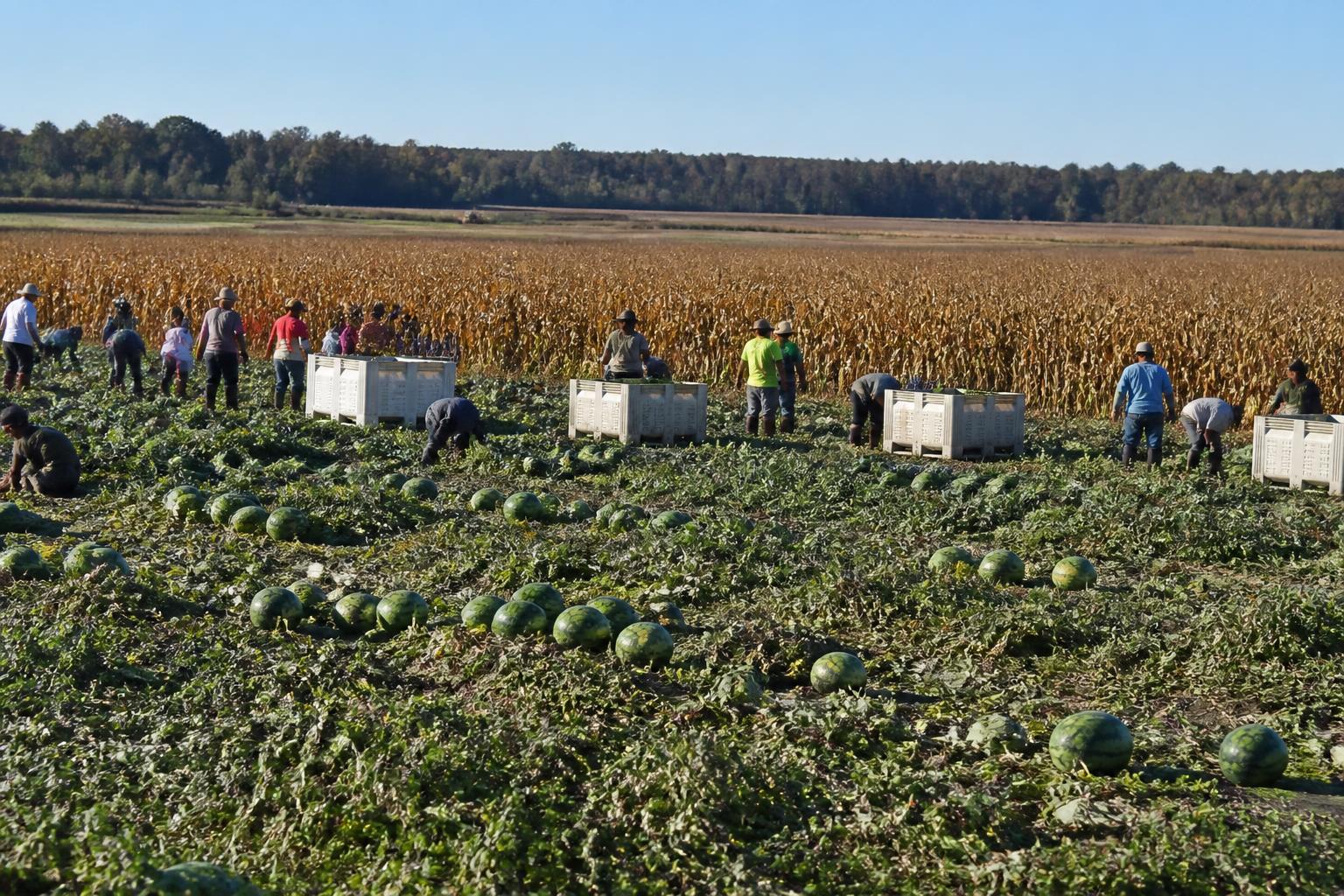
October in Mississippi brings a critical window for producers, with harvest activities moving at a rapid pace across the state. While farmers capitalize on favorable weather windows to bring in yields, the broader logistics network remains a focal point for those moving grain to market.
The state's agricultural resilience is currently on display as producers manage a diverse range of crops. In the Delta, the integration of specialized protection strategies continues to play a vital role in securing quality, even as field conditions fluctuate. For many operations, the current season emphasizes the importance of balancing aggressive harvesting schedules with the realities of regional transport infrastructure.
Navigating Export and Transit Challenges
Grain movement remains a top priority for agribusinesses and elevators throughout the Mississippi River corridor. Recent shifts in water levels have often complicated the standard flow of commodities toward Gulf export terminals. When river stages fluctuate, the resulting impact on barge drafts can limit throughput, forcing local handlers to re-evaluate their logistical contingencies. Maintaining flexibility in storage and transport options is increasingly essential for those looking to maximize their basis returns during the busy fall push.
Technology as a Management Tool
Beyond traditional logistics, Mississippi growers are increasingly looking toward precision management to mitigate risks. Modern crop varieties continue to show improved performance, and the adoption of advanced monitoring tools is helping producers make informed decisions at the plant level. As farms in the state become more data-driven, these technologies are playing an essential role in optimizing yield potential in both dryland and irrigated systems.
What it means for the market
For Mississippi producers and grain handlers, the mid-October market is defined by a race against time and logistics. While yields are benefiting from productive conditions, the reliance on river transit for export competitiveness means that basis levels may remain volatile. Market participants should prioritize consistent communication with local carriers and elevators to navigate potential constraints in downstream movement as the harvest matures.
Comments
No comments yet - be the first to share your take.