
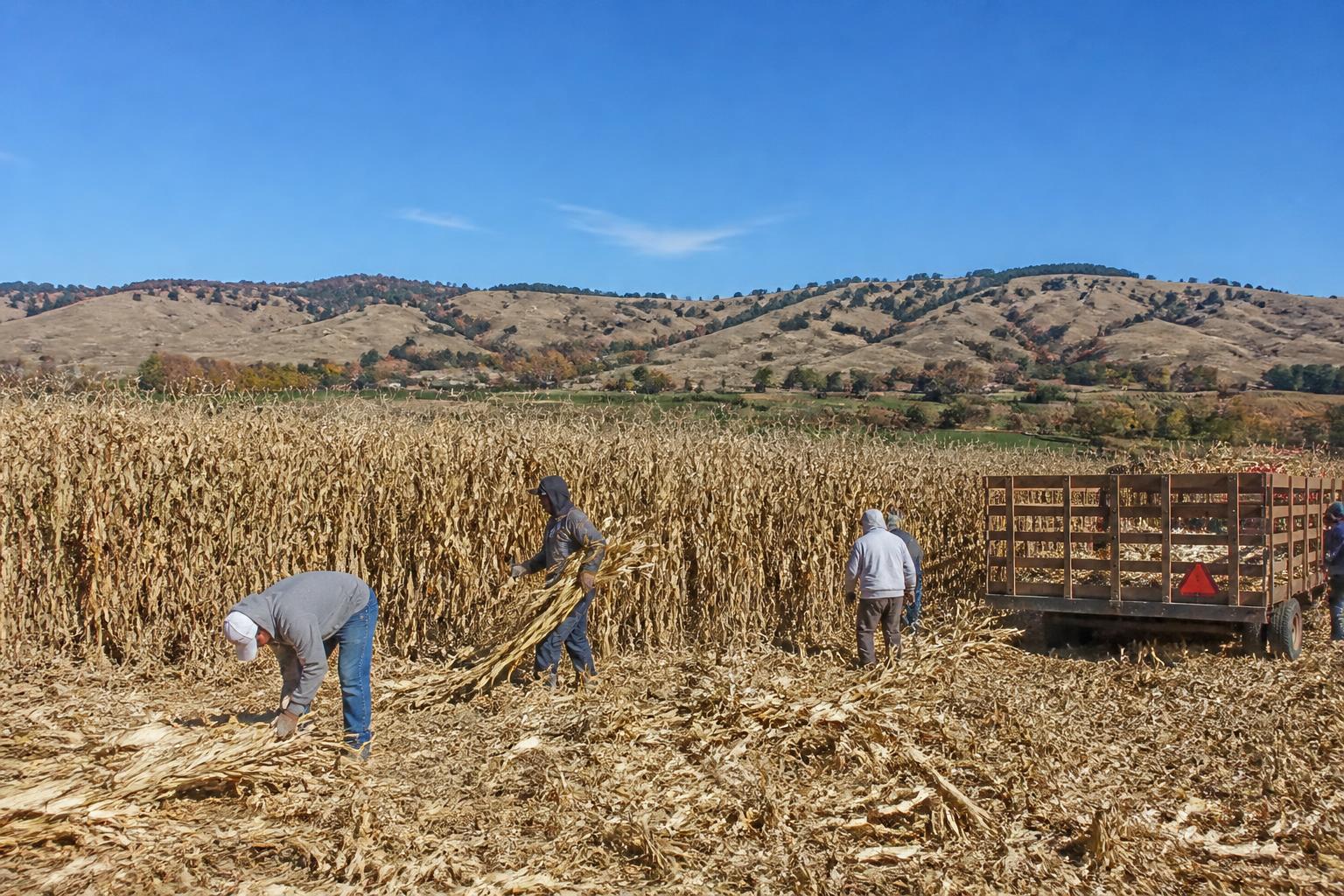
California agriculture is currently facing a dual challenge as the industry manages seasonal fieldwork while navigating shifts in policy and resource access. Growers across the state, from the Central Valley to coastal production regions, are balancing the need for reliable crop protection tools against an evolving regulatory landscape. Recent reports indicate that the Department of Pesticide Regulation has completed its final review of new nematode protection solutions, providing a potential pathway for producers looking to secure yields in sensitive soil conditions.
Navigating Input and Regulatory Hurdles
For many agribusinesses, the focus remains on ensuring that essential inputs are available despite broader economic volatility. The market for crop protection tools continues to see strategic movements, such as the formation of alliances aimed at safeguarding the future use of standard chemistries. As the industry looks toward the upcoming growing seasons, there is a clear emphasis on resilience through innovation. For producers managing crop protection integrity, the ability to pivot to verified microbial biostimulants or new regulatory-approved solutions remains a primary operational objective.
Infrastructure and Resource Management
Logistical fluidity remains a critical factor for California operations as regional infrastructure continues to face pressure. Whether it is moving product through major coastal ports or managing fertilizer shipments, agricultural firms are adapting to global and domestic supply chain realities. The ongoing discussions around farm bill support and regional nutrient management conferences reflect a broader trend: California agriculture is doubling down on professionalizing resource management to offset external threats to economic stability.
Key Takeaways
- Regulatory reviews for new soil-health technologies offer potential for nematode management.
- Supply chain vigilance is necessary to mitigate risks associated with fertilizer delivery and input availability.
- Science-based management practices, including updated rotation strategies, are increasingly viewed as essential for long-term profit protection.
What it means for the market: For California producers and grain handlers, the current environment demands a proactive approach to input planning. With regulatory scrutiny intensifying and global supply chains remaining inconsistent, those who prioritize diversified protection strategies and engage with state-level policy updates will be better positioned to navigate the coming months.
Comments
No comments yet - be the first to share your take.