
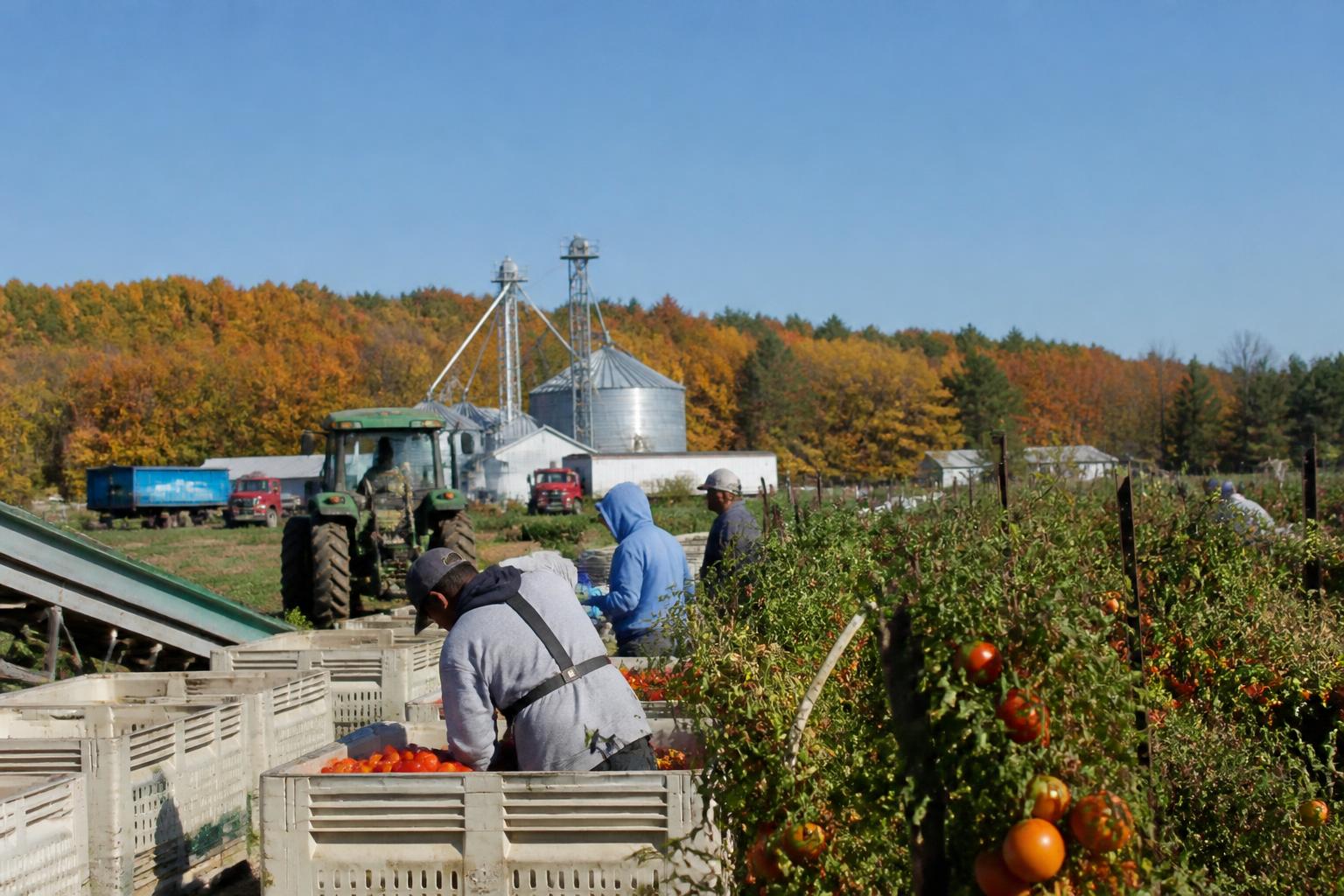
For Rhode Island farmers and agribusiness operators, the transition through this late-fall season brings a sharp focus on bottom-line management. As field activities wind down in regions like South County, the conversation among producers has shifted toward planning for the upcoming cycle, with input costs remaining a significant factor in business strategy for 2026.
Managing Input Volatility
Producers are currently navigating an environment where the cost of essential inputs, including crop protection products and fertilizers, is facing upward pressure. Effective management of these overheads is becoming increasingly critical for maintaining margins in smaller-scale operations. When considering your crop protection strategies, proactive procurement may help mitigate some of the risks associated with price fluctuations that many in the industry are observing this fall.
Infrastructure and Logistics
In a state where rural infrastructure and transit routes directly influence the cost of doing business, transportation resilience remains a key operational hurdle. Whether moving specialized machinery or coordinating the delivery of high-value agricultural goods, understanding regional logistics is paramount. Market participants are increasingly examining how local transport corridors can be optimized to reduce the burden of fuel and maintenance expenses as the year comes to a close.
Innovation in Local Production
While external market forces create pressure, localized solutions continue to emerge. Increased investment in controlled-environment agriculture, such as large-scale greenhouse projects, demonstrates a shift toward more predictable, year-round production cycles in regions like Exeter. By reducing reliance on external weather variability, these facilities offer a model for managing local supply risks. Understanding these trends is vital as producers consider their own grain marketing and storage decisions in an increasingly volatile climate.
What it means for the market
For Rhode Island agribusinesses, the current market climate necessitates a focus on efficiency. With input costs rising, businesses that prioritize early planning and explore diversified production methods are likely to be better positioned to weather price volatility. Maintaining a close watch on regional logistics and securing necessary inputs ahead of the main surge can help safeguard against potential supply chain bottlenecks in the coming months.
Comments
No comments yet - be the first to share your take.