
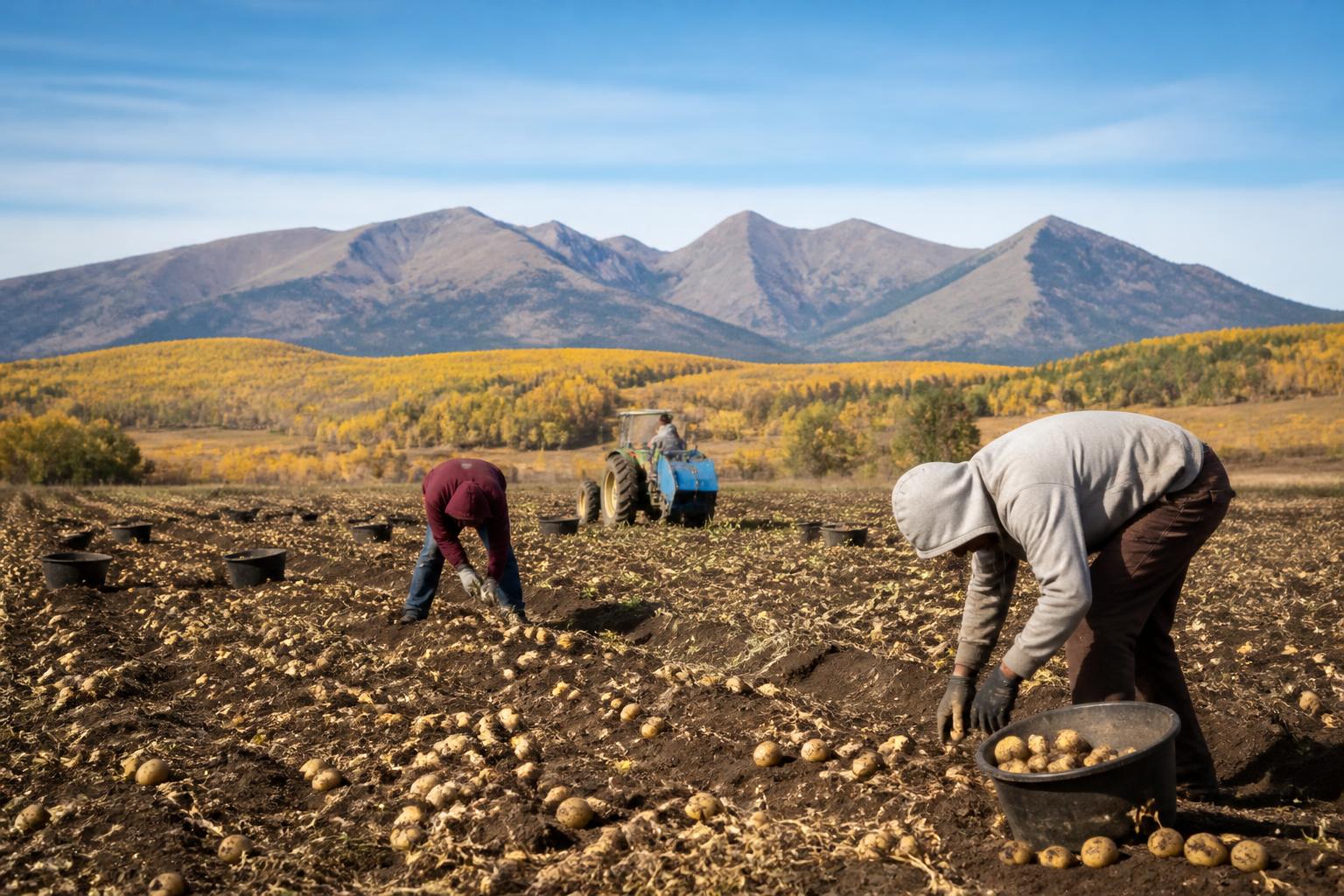
As Colorado enters the late fall, producers are balancing a mix of operational hurdles and long-term planning. For those involved in the livestock sector, recent labor-related disruptions at major processing facilities have introduced an element of uncertainty into price discovery. Market participants are watching these developments closely to gauge potential impacts on throughput and regional cattle valuation as we head toward the winter months.
Water Security and Resource Management
Water continues to be the dominant theme for Colorado farming, with ongoing interstate legal disputes and state-level policy shifts affecting operational certainty. New legislation regarding revegetation requirements is reshaping how municipal water acquisitions impact farmland, forcing many operators to reassess their long-term land-use strategies in drought-prone regions. These challenges necessitate a disciplined approach to input management and crop selection to maintain economic viability.
Federal Policy and Trade Headwinds
Beyond local logistics, Colorado growers are increasingly vocal regarding the need for a finalized farm bill to provide stability for critical safety-net programs. Concerns persist regarding potential reductions in agricultural research funding and the lingering impact of international tariff uncertainties on commodity exports. With calculators for ARC-CO and PLC payments becoming essential tools for planning, farmers are urged to review their coverage options as they close out the season.
Input Costs and Market Outlook
Producers are also navigating a high-cost environment for essential inputs, with particular attention paid to domestic fertilizer accessibility. Initiatives aimed at accelerating permitting for domestic production may offer some relief, though supply chain sensitivity remains high. As seen in recent fluctuations in the fertilizer market, strategic procurement during the off-season continues to be a primary lever for managing margins.
What it means for the market
The convergence of labor, water, and policy variables suggests that Colorado agricultural businesses should prioritize liquidity and risk management. While certain sectors like wool have shown resilience, the broader outlook depends on how state and federal stakeholders resolve pending legislative and legal disputes. Maintaining flexible logistics and staying informed on program eligibility will be critical for weathering the current period of market volatility.
Comments
No comments yet - be the first to share your take.