
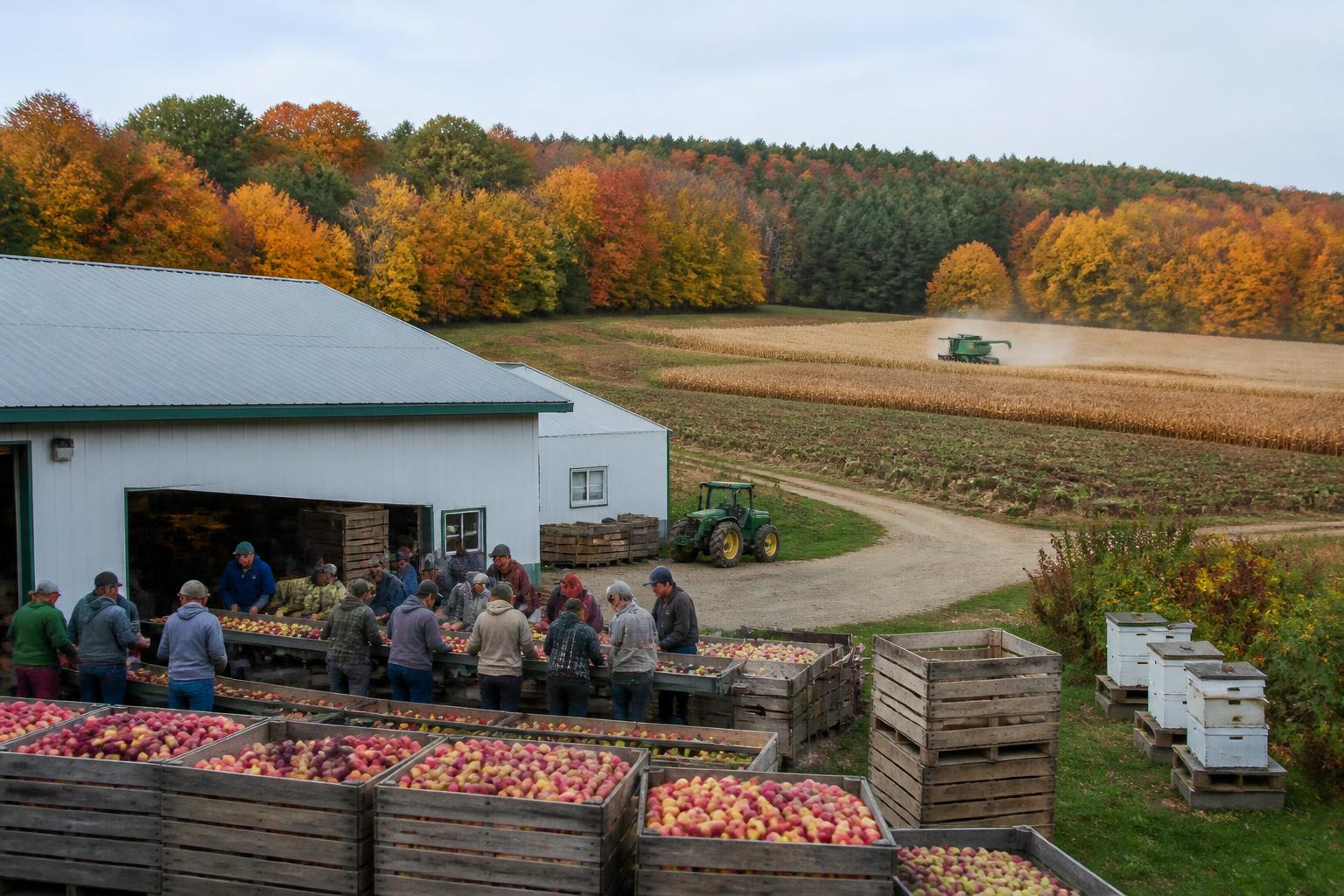
As Pennsylvania agriculture progresses through the fall season, farmers and agribusinesses are balancing ongoing harvest activities with an increasing focus on the state's long-term operational health. From the rolling fields of the Poconos to major processing hubs, stakeholders are keeping a close watch on legislative discussions that directly impact the bottom line, particularly regarding infrastructure support and land stewardship.
Recent legislative sessions have highlighted the recurring challenges facing the sector, ranging from the need for improved farm bridge funding to the broader, national-level anxieties surrounding labor supply stability. As producers manage the logistics of moving fall crops, the resilience of rural transport infrastructure remains a top-of-mind issue for those overseeing high-volume grain and produce movement.
Infrastructure and Operational Investments
Investment remains a key theme across the state. Significant capital improvements, such as the major planned makeover at the Clemens Food Group's Hatfield Main facility, signal ongoing commitment to regional processing capacity. These updates are essential for maintaining the efficiency of the state's livestock and meat sectors. Simultaneously, the continued emphasis on protecting Pennsylvania farmland through preservation programs underscores the tension between agricultural land security and development pressures, especially in regions seeing rapid geographic shifts.
Conservation and Industry Resilience
Sustainability and resource management continue to shape production practices. With a significant portion of Pennsylvania's acreage identified as highly erodible, the state's widespread adoption of no-till practices represents a critical shift toward soil health preservation. This focus complements the state's efforts to support diverse sectors, including the robust apiary industry, which continues to be a vital component of the local agricultural economy.
What it means for the market
For Pennsylvania producers, the current environment suggests a high degree of dependence on stable infrastructure and policy support. Market participants should prepare for continued advocacy regarding bridge and transit funding, as these logistics remain the lifeblood of efficient farm-to-market flow. As labor discussions persist at the national level, focusing on operational efficiencies and sustainable land management remains the most reliable strategy for protecting individual farm viability against broader market uncertainties.
Comments
No comments yet - be the first to share your take.