
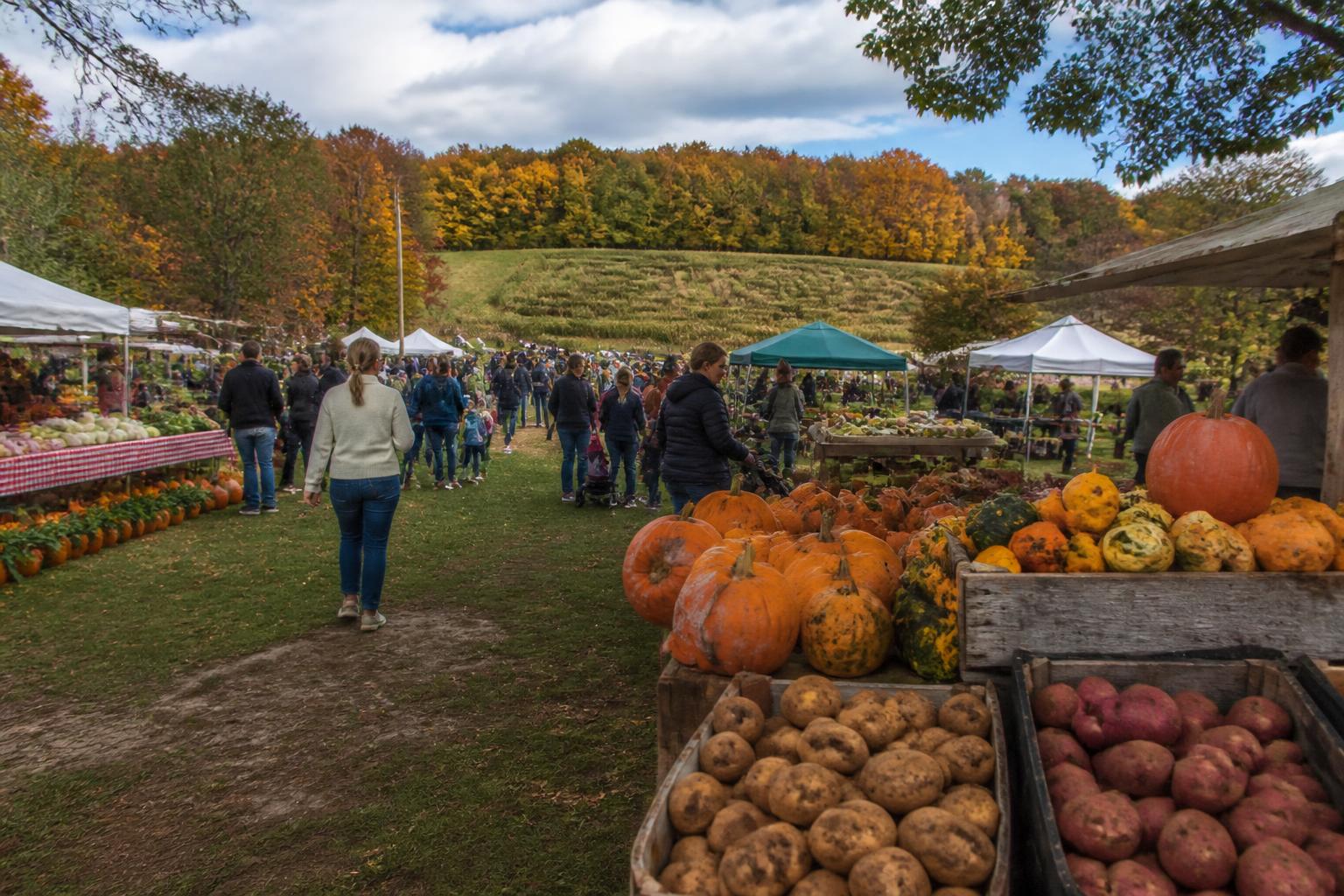
For Rhode Island producers, the mid-fall period serves as a critical junction for balancing seasonal harvest output with long-term supply chain strategy. With regional interest in local branding gaining momentum, such as the emergence of state-specific potato labels, growers are increasingly looking to differentiate their products in a crowded marketplace. This focus on local identity can often provide a distinct competitive advantage for smaller operations looking to strengthen their foothold in New England retail channels.
As you manage your operations, it is worth staying current on broader industry shifts that influence your input costs and distribution capability. Understanding the dynamics of Rhode Island agribusiness and logistics remains vital for those coordinating with regional grain handlers and transportation networks, especially as energy and input markets experience periodic fluctuations. These factors, while often global in nature, carry direct implications for the bottom line of local farms and service providers.
Optimizing Logistics and Seasonal Planning
The current environment demands a proactive approach to farm management. Many local operations are utilizing this time to assess their storage needs and review logistics, particularly with the added complexity of managing harvest equipment transit during the peak of the season. Given the importance of infrastructure, keeping a close eye on logistics and labor trends is essential for maintaining efficient workflows from the field to the point of sale.
Furthermore, technical support remains a cornerstone of successful crop management. Utilizing resources like the plant diagnostic lab services available through the University of Rhode Island can help mitigate risks associated with late-season pests or environmental stresses, ensuring that quality standards are met before crops move to storage or market.
Building Operational Stability
For many, this time of year is as much about forward-planning as it is about current production. Whether you are adjusting your fertilizer procurement strategy—an area currently under high scrutiny regarding national economic trends—or evaluating effective farm management techniques, the goal remains the same: balancing immediate harvest demands with sustainable growth.
What it means for the market
The Rhode Island agricultural sector is seeing a renewed emphasis on localized supply chains and technical precision. For farmers and agribusinesses, this means that while global market volatility may create pricing headwinds, leveraging regional branding and optimizing local logistics can create a buffer. Operators who prioritize resource efficiency and regional partnerships are well-positioned to navigate the current season and prepare for the upcoming cycle.
Comments
No comments yet - be the first to share your take.