
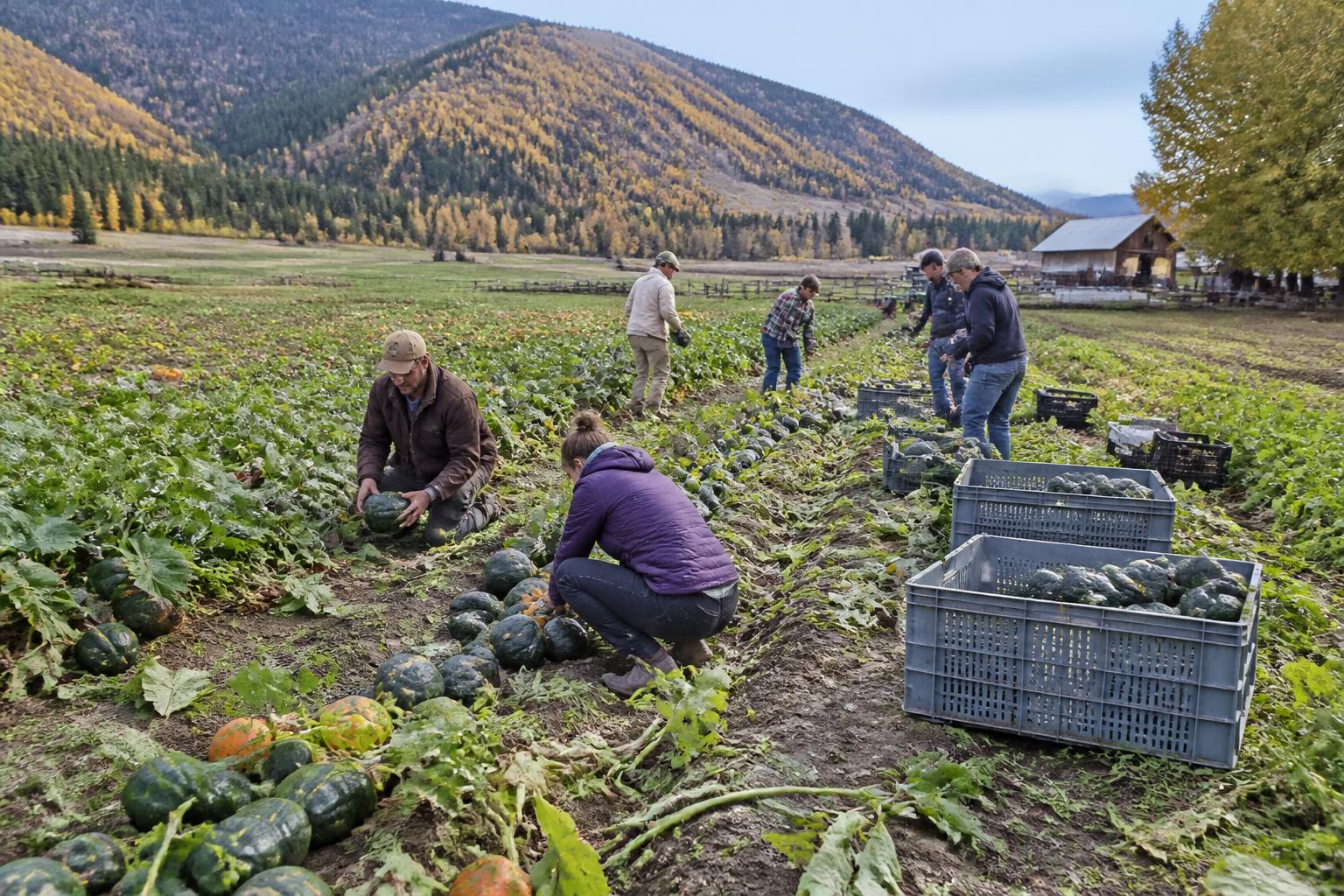
Montana's agricultural sector stands at a critical juncture as producers look toward expanding their footprint in Asian markets. Navigating the complexities of global trade, particularly with volatile geopolitical landscapes, requires a renewed focus on regional stability and consistent output. For local grain handlers and exporters, the ability to maintain reliable supply chains remains paramount as they balance international demand with domestic production cycles.
Leadership Transitions and Strategic Direction
The Montana Department of Agriculture recently announced new leadership, a change that comes at a time when producers are evaluating navigating fertilizer market volatility and seeking better long-term predictability. Industry stakeholders are watching closely to see how these administrative updates will influence policy, especially concerning grain trade and the development of local infrastructure.
Simultaneously, the Montana Wheat and Barley Committee is seeing shifts in its roster, signaling a period of transition in advocacy and research direction. These developments highlight the ongoing effort to prioritize strengthening harvest resilience through better coordination between state agencies and private growers.
Logistics and Market Resilience
Efficient movement of goods is the backbone of Montana's competitive edge. As the fall season progresses, farmers and elevators are focusing on secure storage and the logistical hurdles of getting product to port. Recent industry discussions have underscored the need for enhanced investment in domestic fertilizer production, which could alleviate some of the cost pressures seen in recent seasons.
For those managing grain buyers, sellers and prices in Montana, the current market environment demands a pragmatic approach to risk. Producers are increasingly wary of how external crises impact their bottom line and are looking for ways to insulate their operations from sudden fluctuations in the global commodities exchange.
What it means for the market
Montana farmers are balancing the challenges of a globalized economy with the grounded realities of local production. While the prospect of expanding into new export territories offers potential, the immediate priority for many remains building a more robust and responsive supply chain. By prioritizing infrastructure investment and keeping a close eye on administrative shifts, Montana agribusinesses can better position themselves to withstand market headwinds throughout the remainder of the year.
Comments
No comments yet - be the first to share your take.