
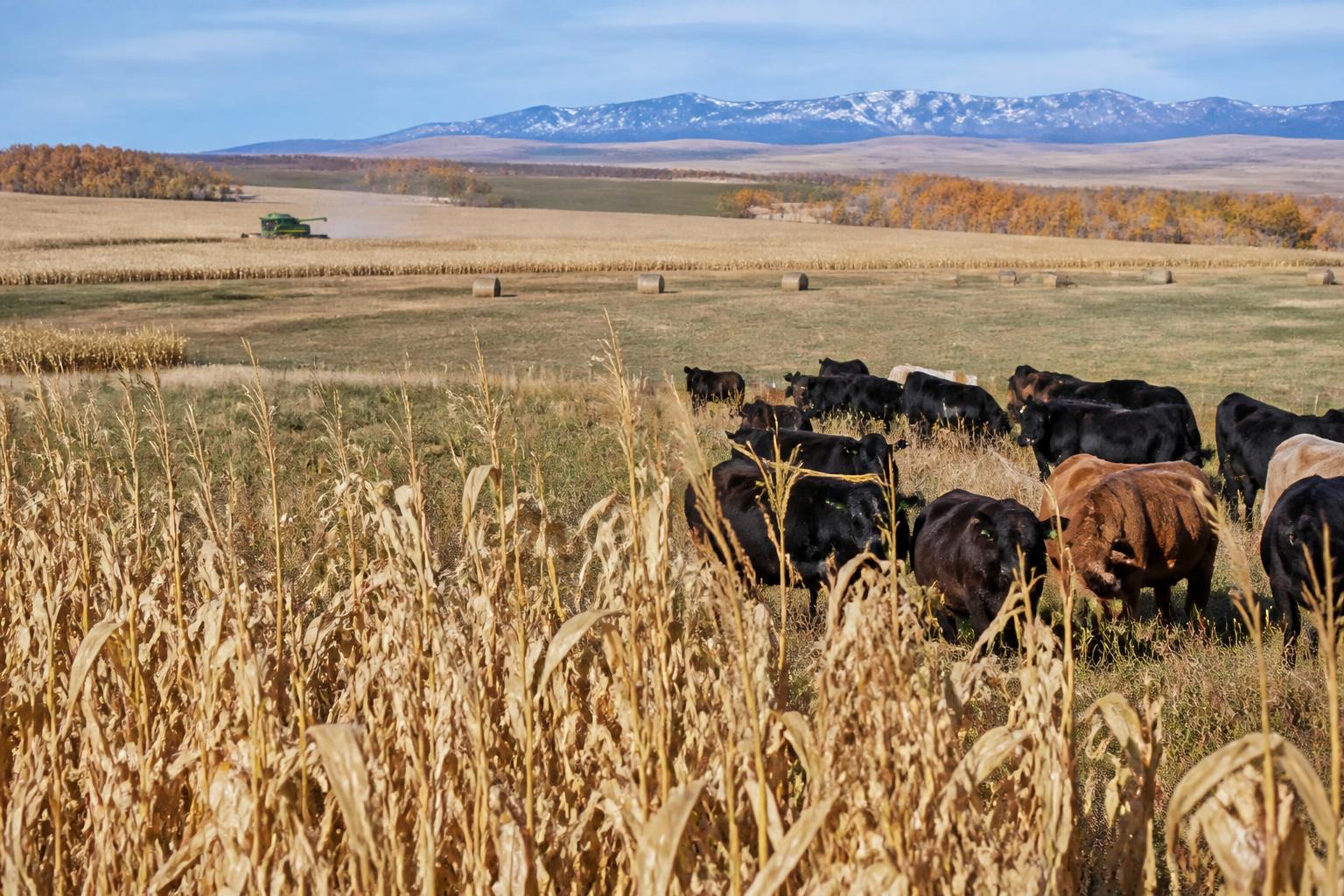
With the harvest season currently in full swing across Montana, producers are balancing the final push of field work with ongoing risk management. As we move deeper into October, maintaining the integrity of stored grain and protecting active fields from shifting weather conditions remains a top priority for agribusinesses and individual operations alike.
Effectively managing crop protection during this window involves not only securing the current harvest but also looking ahead to soil stability for the next season. Whether you are dealing with moisture concerns or assessing local storage logistics, proactive measures are key to stabilizing operations in a volatile market. For further insights on balancing these seasonal pressures, producers can review strategies for strengthening field protection and ensuring overall crop resilience.
Optimizing Logistics and Storage
In regions throughout Montana, the flow of grain from the field to the elevator often dictates profitability. Producers may find that careful coordination with local carriers and grain handlers helps navigate typical harvest bottlenecks. Aligning transportation schedules with regional elevator capacity is a common tactic to avoid downtime during peak movement periods. For those managing grain storage, staying informed on current logistics and market flow is essential for protecting the quality of the crop once it is out of the field.
Risk Management in Changing Conditions
The transition toward late fall often brings unpredictable weather patterns, which can influence both harvesting timelines and post-harvest protection efforts. Adaptive management practices, including careful monitoring of field conditions, can help producers mitigate the impacts of early frosts or unexpected moisture. By staying attentive to these variables, operators can better protect their margins against potential field losses. For a deeper dive into seasonal risk mitigation, consider evaluating proactive field stability techniques designed to safeguard your bottom line.
What it means for the market
For the broader Montana agricultural community, this period of focused activity highlights the importance of operational discipline. By prioritizing crop protection and streamlining logistics, producers can better position themselves against both immediate environmental threats and wider market fluctuations. As the season winds down, focusing on these fundamental management practices will remain the most effective route to protecting yields and sustaining long-term farm viability.
Comments
No comments yet - be the first to share your take.