
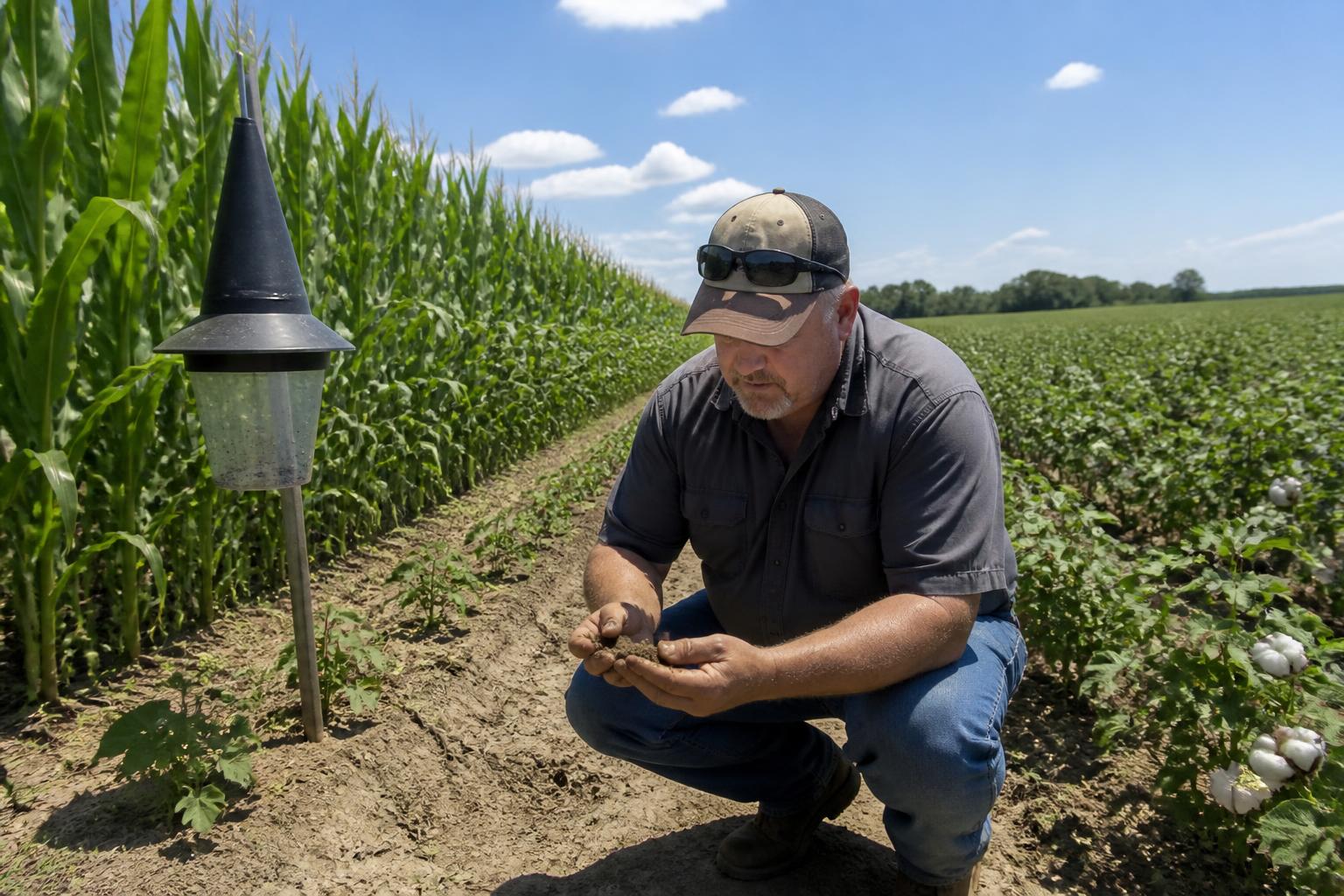
As Georgia crop producers push through the heat of the summer season, managing input expenses remains a top priority. Following a spring where severe drought conditions slowed planting progress across many counties, growers are searching for ways to stabilize their budgets in a highly pressurized agricultural economy. With rising national farm costs and tight operating margins, fertilizer management has emerged as a critical focal point for securing regional crop yields.
In response to global supply vulnerabilities and volatile import pricing, Georgia is shifting toward domestic manufacturing and localized nutrient resources. State leadership and private enterprise are working to expand production capacity within the state, offering long-term supply security for Southern growers who depend heavily on consistent, cost-effective inputs.
Expanding Domestic Production and State Initiatives
Legislative and corporate developments are converging to boost Georgia's local fertilizer supply. Governor Brian Kemp recently signed agricultural bills aimed at expanding domestic fertilizer production and supporting the state's leading economic sector. By streamlining regulatory pathways and fostering infrastructure investments, these measures are designed to reduce Georgia's reliance on international import corridors.
On the commercial front, a Brazilian agribusiness firm is establishing a fertilizer factory in Georgia. This major industrial project is part of a broader expansion strategy in the United States, targeting direct distribution to Southeastern crop regions. Establishing regional production hubs helps bypass major international shipping bottlenecks, ensuring that nutrients can be blended and transported more efficiently to Georgia's fields.
Poultry Litter: A Cost-Effective Local Alternative
For many Georgia growers looking to trim input bills, poultry litter is proving to be an increasingly attractive, cheaper fertilizer option. Given the state's massive poultry industry, raw litter is widely available and contains essential macronutrients, including nitrogen, phosphorus, and potassium, along with organic matter that improves soil health.
Transporting and applying this resource requires careful planning. As Georgia ag logistics expand, moving organic nutrients from the concentrated poultry-producing counties of North Georgia to the expansive row-crop fields of South Georgia has become highly organized. Growers must carefully analyze the nutrient content of the litter and monitor application rates to prevent nutrient runoff, making sure the organic material aligns with local soil requirements.
Strategic Nutrient Management for Summer Crop Success
With global market fluctuations still impacting commercial fertilizer prices, efficiency is the primary defense against high operating costs. Implementing the principles of 4R Nutrient Stewardship - applying the right source of nutrients at the right rate, right time, and in the right place - helps growers optimize every dollar spent. Mid-summer tissue testing and side-dress applications allow farmers to address specific crop deficiencies without over-applying expensive commercial blends.
Key Takeaways for Georgia Producers
- Monitor Local Production: Watch for localized blending opportunities as new regional factory developments progress.
- Evaluate Poultry Litter: Consider utilizing poultry litter as a cost-efficient nutrient source, factoring in freight and soil testing.
- Utilize Precision Application: Rely on 4R principles and targeted mid-season applications to prevent waste and control costs.
What it means for the market
The push for domestic manufacturing and local organic alternatives reflects a structural shift in how Georgia's agricultural sector manages volatile inputs. While the broader farm economy faces continued pressure from high operating costs, localized production and diversified nutrient sourcing will help Georgia producers maintain competitive yields through the summer and build a more resilient supply chain for future seasons.
Comments
No comments yet — be the first to share your take.