
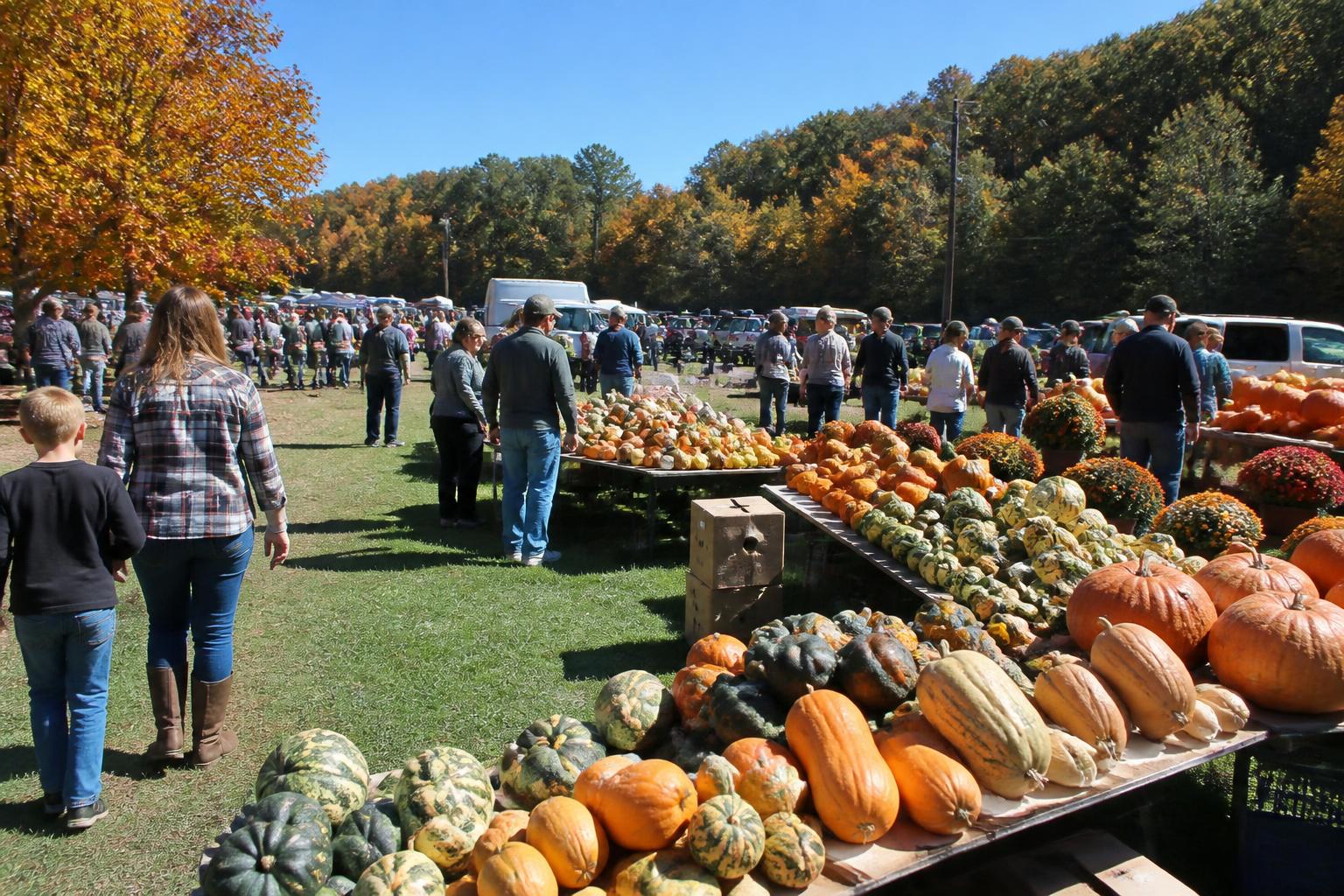
The arrival of the fall season brings critical decision points for West Virginia farmers as they navigate the complexities of harvest and field maintenance. As regional producers work through late-season field activities, managing the impact of fluctuating temperatures and occasional moisture events remains a priority to protect yields and preserve margins. Given the diverse terrain and microclimates across our mountain counties, maintaining equipment readiness and monitoring field conditions are essential steps for any efficient operation.
Addressing Weather-Related Operational Risks
Extreme weather patterns, including the threat of early frost, have become a growing concern for agricultural stakeholders across the state. These events can create significant challenges for late-season crop development and field protection, often requiring rapid adjustments in labor and resource allocation. Producers are encouraged to remain vigilant, as shifts in temperature can impact everything from final harvest timing to the long-term health of soil composition, particularly when dealing with unpredictable fall field moisture.
Logistics and Infrastructure Awareness
Successful movement of harvests and inputs depends on the reliability of our state's transport corridors and rural infrastructure. While mountain counties have historically faced logistical hurdles due to terrain, local agribusinesses continue to emphasize the importance of secure access routes and well-maintained storage facilities. Producers working near rail crossings or heavy-traffic zones are reminded to evaluate their transit plans regularly, ensuring that equipment movement and delivery schedules account for local infrastructure limitations.
What it means for the market
For the West Virginia agricultural sector, the current environment underscores the need for resilience. By prioritizing infrastructure security, monitoring local climate trends, and maintaining a focus on efficient logistics, producers can better mitigate the impact of environmental and economic pressures. Staying informed on regional updates and adjusting operational strategies accordingly is the most effective way to protect farm viability through the remainder of the season.
Comments
No comments yet - be the first to share your take.