
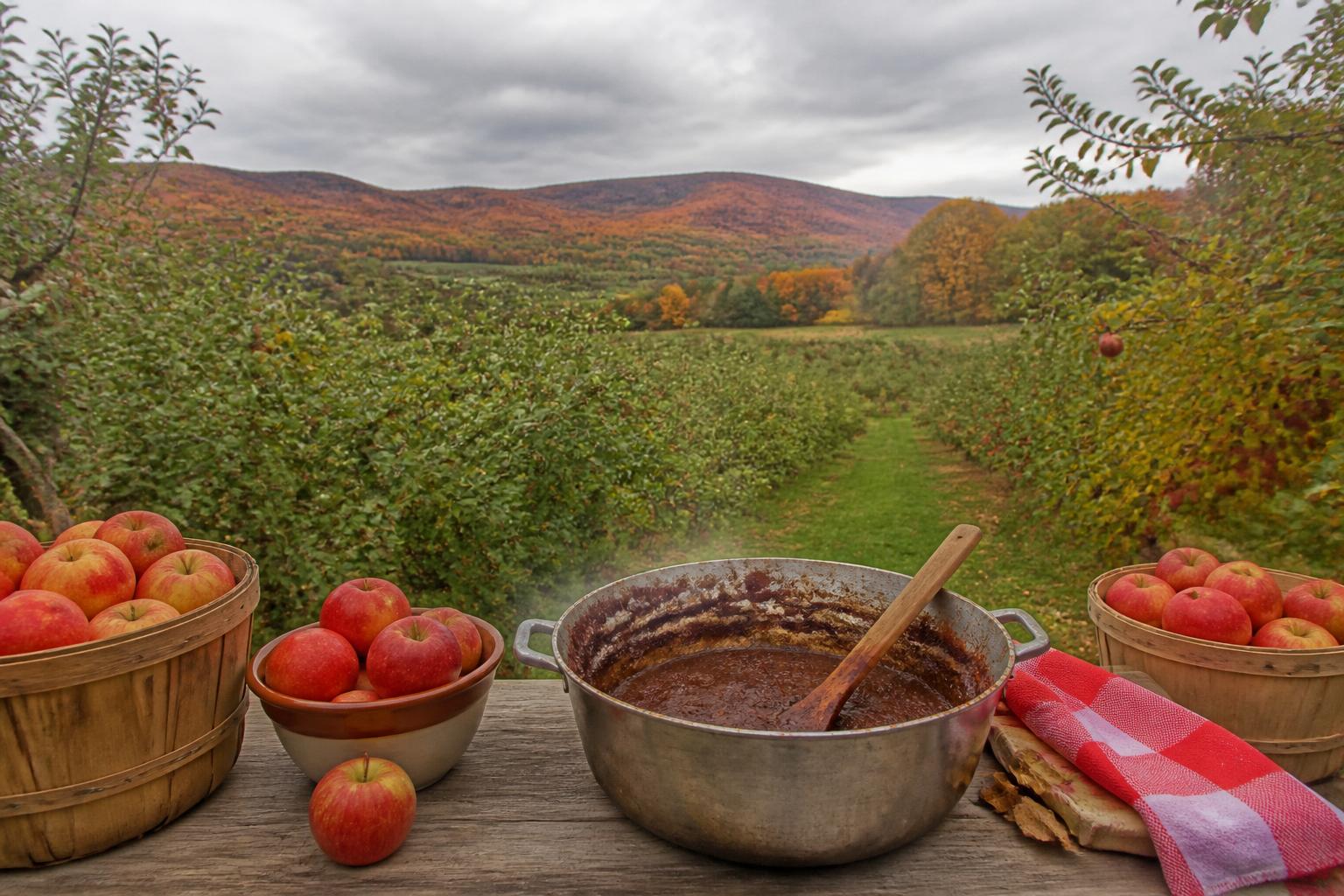
As the fall harvest progresses across West Virginia, agricultural producers are navigating the typical seasonal transition that demands heightened attention to operational flow and asset protection. Managing the influx of late-season yields requires a careful balance between logistics, storage capacity, and the continued need for vigilance regarding regional biosecurity and field health.
For many operations, the current period is defined by optimizing efficiency before the onset of winter conditions. This includes fine-tuning field moisture management strategies and securing infrastructure to withstand the cooling temperatures. As harvest activities wrap up, producers are encouraged to focus on maintaining high-quality crop storage to mitigate risks often associated with late-season humidity and fluctuating temperatures.
Monitoring Operational Inputs and Biosecurity
Market participation remains a primary focus as producers assess their position amidst broader agricultural volatility. With national trends impacting input costs and supply chains, local handlers are looking for ways to streamline their operational overhead and maximize ROI. Proactive communication between local grain elevators and carriers is essential to ensure that the movement of commodities remains steady, particularly as seasonal weather patterns begin to limit transport windows.
Beyond logistics, health and safety remain critical. Producers have been reminded to stay alert for potential threats to livestock, such as Avian Influenza, which require ongoing vigilance in biosecurity protocols. Consistent monitoring helps protect the state's diverse agricultural base and ensures that inventory remains stable as it enters the supply chain.
Strategic Planning for the Coming Season
Looking ahead, the emphasis shifts toward risk management and preparedness. Whether it is adjusting for weather volatility or navigating the complexities of regional infrastructure, effective fall management serves as the foundation for a successful transition into the winter months. By securing equipment and finalizing sales strategies now, producers can better position themselves against the uncertainties of the global market.
What it means for the market
For West Virginia growers and agribusinesses, the current market climate underscores the importance of resilience. By leveraging local resources, maintaining strict biosecurity, and preparing storage infrastructure for seasonal shifts, stakeholders can minimize the impact of external market stressors and maintain a competitive edge through the end of the year.
Comments
No comments yet - be the first to share your take.