
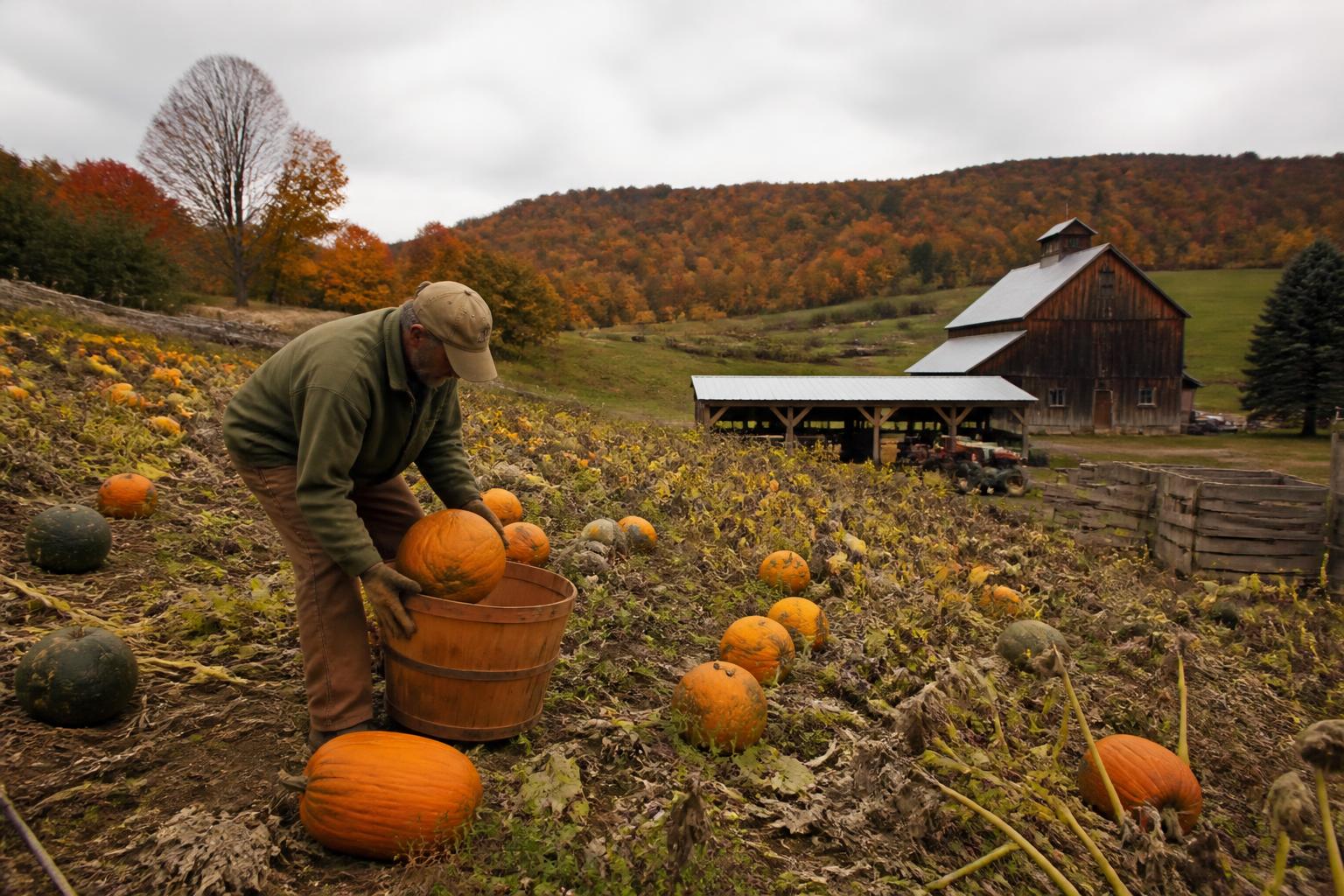
As the autumn season transitions toward the colder months, Vermont farmers are reflecting on a period of intense productivity and structural change. The state's agricultural community continues to balance traditional family-run operations with the broader pressures of regional economic shifts. Whether navigating the unique logistical demands of the Northeast Kingdom or managing the daily operations of Richmond dairy and livestock operations, local producers are showing continued adaptability.
Recent public recognition of individuals such as Andy Aldrich of Richmond serves as a reminder of the vital human element fueling Vermont's agricultural identity. These acknowledgments are not just personal milestones but indicators of the resilience required to maintain independent production in a tightening market environment. As the state evaluates its path forward, understanding the interplay between seasonal resilience and technological innovation remains a top priority for farm managers.
Infrastructure and Economic Integration
In the Northeast Kingdom and across other rural corridors, the integration of major employers alongside traditional farms is reshaping the local labor landscape. This shift presents both challenges and opportunities for supply chains, particularly as farmers assess their needs for the upcoming winter. With logistical costs and supply chain reliability top of mind, monitoring infrastructure challenges is critical for those looking to protect their margins during the off-season.
Policy and Future-Proofing
The conversation regarding federal support continues to dominate discussions among family-sized enterprises. Many producers are advocating for a legislative approach that respects the unique state-level dynamics of Vermont agriculture. This policy advocacy is increasingly linked to how farms manage their own growth; as noted in recent reports, diversifying into value-added spirits and energy production is becoming a common strategy to hedge against market volatility.
What it means for the market
For Vermont agribusinesses, the current environment demands a focus on efficiency and long-term planning. As operations move into the final months of the year, tracking both policy updates and local economic shifts will be essential. By leveraging diversification and maintaining a strong connection to regional supply networks, Vermont's agricultural sector is positioning itself to weather the upcoming winter season while preparing for future production cycles.
Comments
No comments yet - be the first to share your take.