
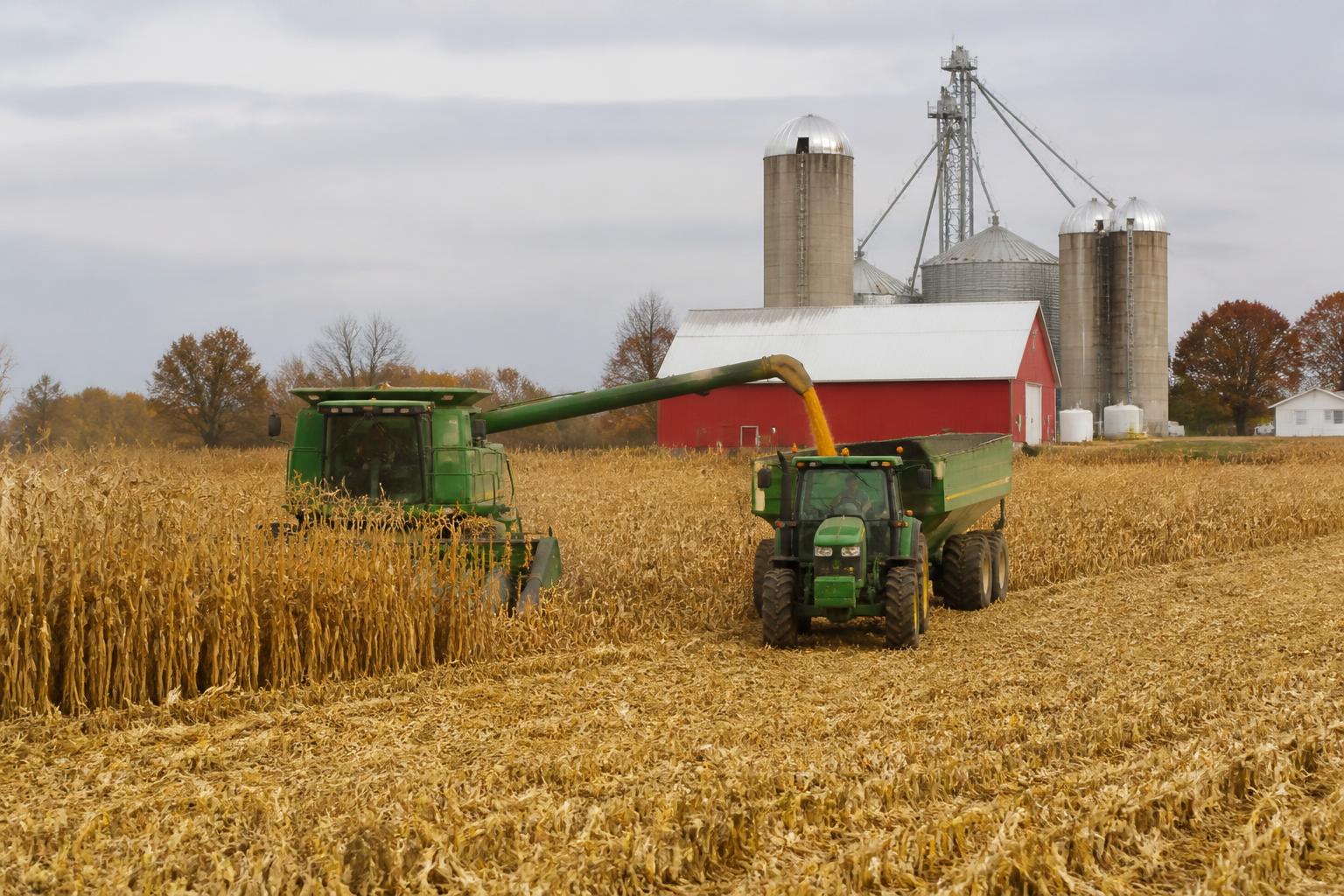
As we move through the final phase of the harvest season, Massachusetts farmers and agribusiness operators are looking closely at national data to calibrate their year-end planning. While regional conditions often dictate specific field outcomes, national trends in yield production serve as a vital benchmark for storage planning and supply chain expectations as we transition into the winter months.
Recent adjustments to national corn yield estimates have provided a point of discussion for grain handlers and producers across the Commonwealth. Understanding these shifts helps local operations better anticipate market flow and manage on-site storage needs during the busy harvest period. For those interested in deeper operational strategies, navigating Massachusetts logistics remains a critical focus for moving late-season harvests efficiently.
Managing Input Costs
Fertilizer accessibility and cost continue to be primary concerns for long-term farm viability. With federal initiatives directing significant funding toward mitigating the impact of high fertilizer prices, local producers may find new avenues to offset operational expenses. Monitoring the phosphate market and domestic supply chain developments can provide a clearer picture of what to expect for the upcoming spring planting season.
The Role of Precision Technology
Innovation remains a key driver in how regional growers approach productivity. The increased adoption of precision technology platforms indicates a shift toward more data-driven resource management. By integrating these tools, agribusinesses in Massachusetts can often better track their inputs and outputs, which is increasingly relevant as industry standards for regenerative agriculture and supply chain transparency continue to evolve.
What it means for the market
The convergence of higher national crop yields and targeted financial support for inputs suggests a cautious but stable outlook for the coming months. Farmers should prioritize liquidity and assess their storage capacity as regional harvest activities wrap up, while continuing to leverage available technical assistance to manage input costs effectively heading into 2027.
Comments
No comments yet - be the first to share your take.