
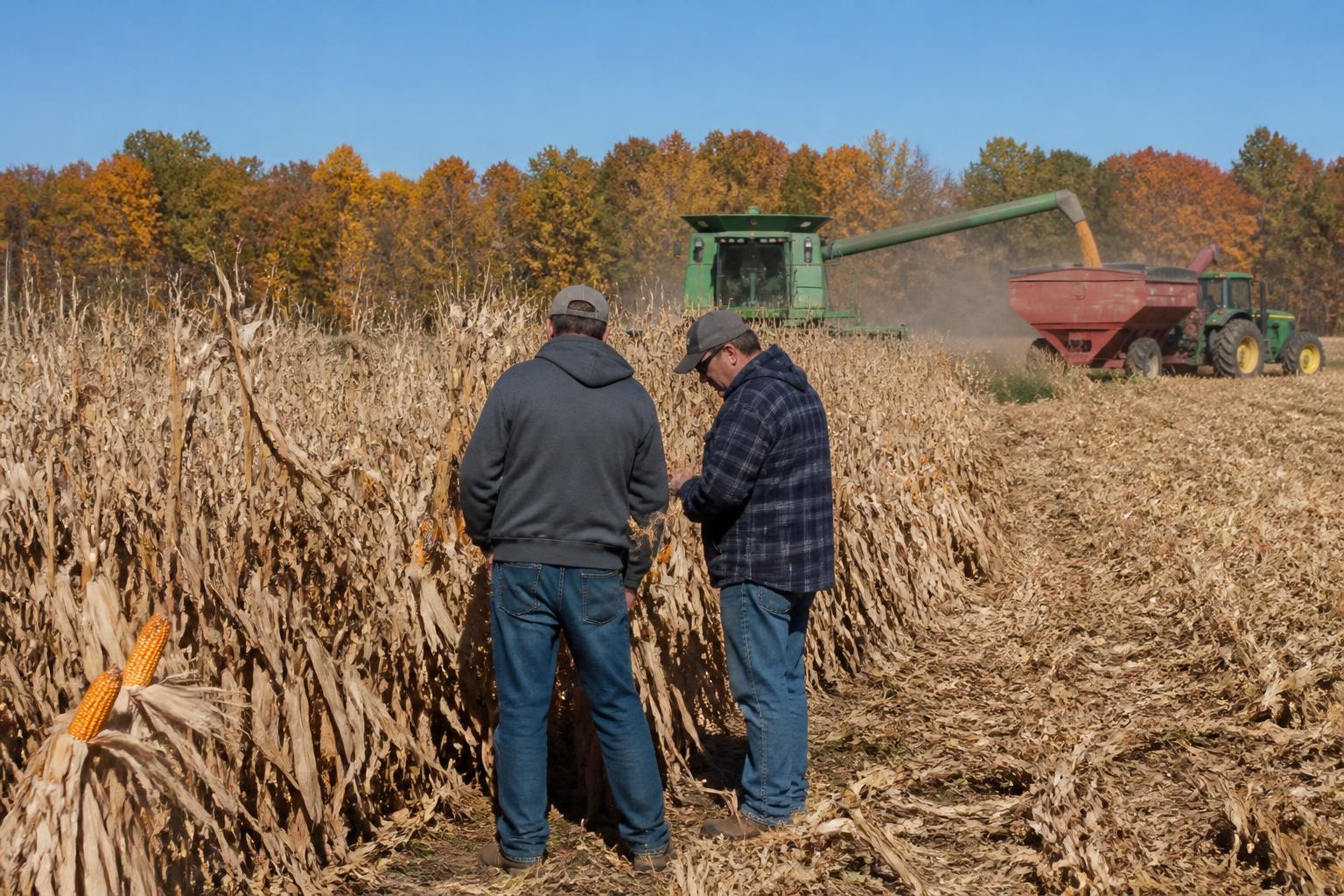
Optimizing Operational Efficiency
As the fall season winds down across Massachusetts, local agricultural operators are increasingly looking toward equipment upgrades that emphasize data collection and precision management. Recent industry shifts suggest that investing in livestock and harvesting equipment designed to track performance metrics may provide a necessary competitive edge. For many producers in regions like the Pioneer Valley or the agricultural pockets of Bristol County, leveraging technology to streamline resource use is becoming a standard practice for managing input costs effectively.
While large-scale capital investments often dominate the headlines, smaller, targeted upgrades to existing machinery can yield significant gains in operational output. By focusing on data-informed decision making, growers can better assess the ROI of their current systems. For those managing seasonal yield trends and input costs, this approach helps align equipment capacity with actual field requirements rather than overextending capital reserves on underutilized hardware.
Strategic Planning for Seasonal Logistics
The transition into the colder months requires a disciplined approach to both field maintenance and asset management. Successfully navigating logistics during late-season harvests often hinges on how well producers anticipate regional demand for storage and transport. As grain markets fluctuate and global commodity pressures persist, maintaining flexibility in your delivery schedule can help mitigate the impact of price volatility during periods of low market activity.
Key Takeaways for Producers
- Prioritize Data: Utilize embedded technology in livestock and harvest equipment to monitor system performance.
- Scale Wisely: Avoid over-capitalizing on equipment that does not directly correlate with increased operational efficiency.
- Logistics Coordination: Maintain close communication with local grain handlers and regional transport services to navigate any lingering seasonal traffic bottlenecks.
What it means for the market
The focus on efficiency and data-backed management signals a shift toward more resilient agricultural practices in Massachusetts. By emphasizing precision over sheer scale, producers are better positioned to protect margins against global grain market fluctuations. For the regional agribusiness, the current environment underscores the importance of modular investment strategies that allow for agility as market conditions shift toward the end of the year.
Comments
No comments yet - be the first to share your take.