
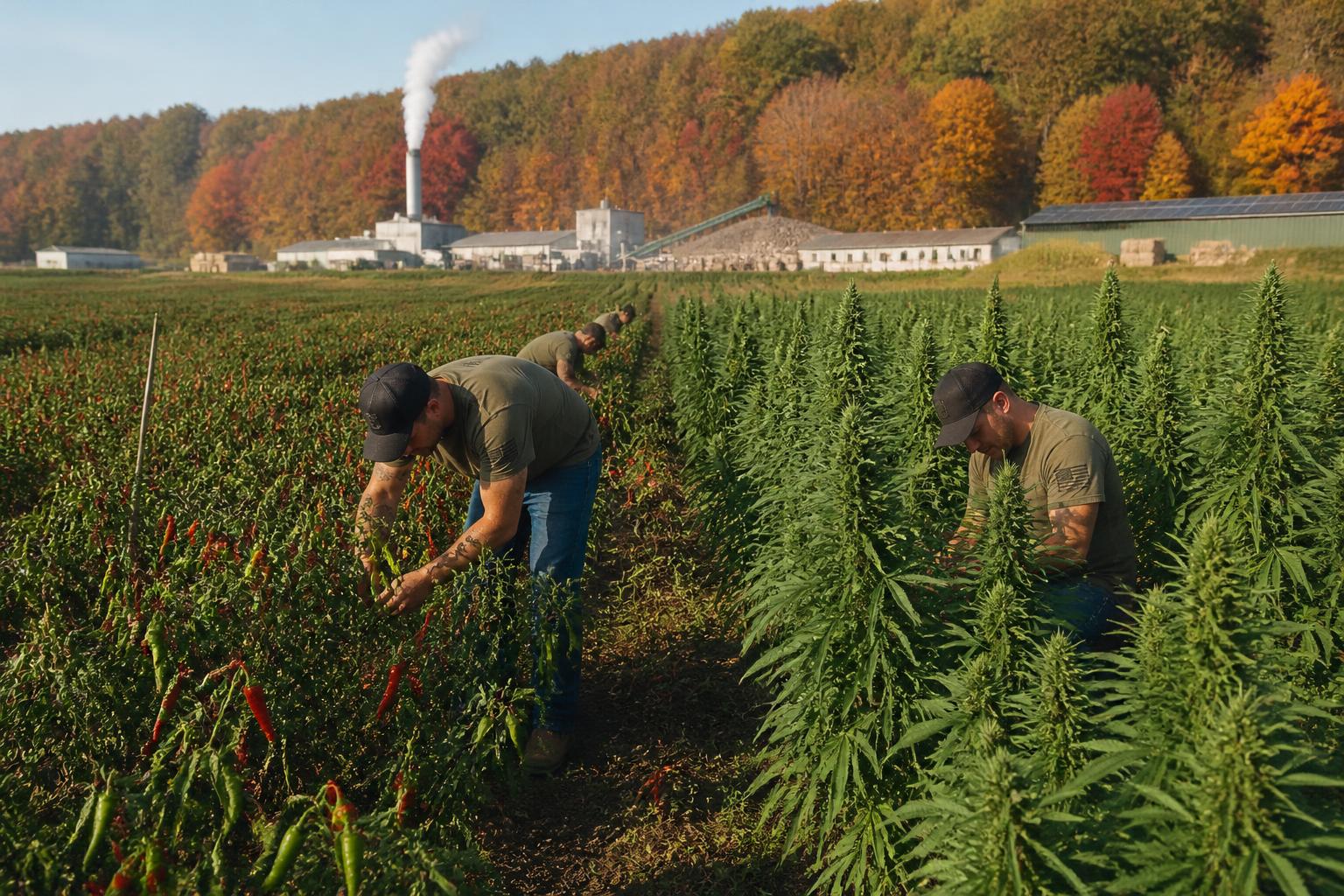
As North Carolina enters the peak of the fall season, the agricultural sector is seeing a renewed focus on infrastructure efficiency and sustainability. Recent developments in the state, including the opening of new resource-recovery facilities, are highlighting how traditional operations are increasingly integrating with circular economy models to manage agricultural byproducts.
For growers and agribusiness leaders, these shifts may signal new opportunities for waste management and input sourcing. As researchers continue to explore innovative solutions for crop rotation and soil health, the integration of new technology at state research stations remains a critical component for long-term productivity in regional hubs.
Aligning Logistics with Regional Shifts
Efficient movement remains a priority as the state manages seasonal harvest logistics and distribution. Whether moving grain or specialty crops, understanding the evolving logistics landscape in North Carolina is essential for minimizing transit bottlenecks. Operators are advised to stay informed on local traffic patterns and transport shifts that can impact the timely delivery of goods to regional ports and processing centers.
Sustainability and Soil Management
The push for modernization extends beyond logistics. Ongoing investments in research are designed to support producers in identifying more efficient ways to manage soil and crop inputs. This focus on long-term viability, coupled with interest in emerging rotation crops, could play a role in shaping future planting decisions. By leveraging resources from agricultural extension services and staying updated on nitrogen management best practices, farmers can better align their operations with evolving industry standards.
What it means for the market
For the North Carolina agribusiness community, the current environment points toward a blend of traditional expertise and forward-looking infrastructure investment. As the state balances harvest-season demands with new capacity for energy and fertilizer production, stakeholders should monitor how these regional shifts impact local supply chains and the overall cost-efficiency of farm-level inputs through the end of the year.
Comments
No comments yet - be the first to share your take.