
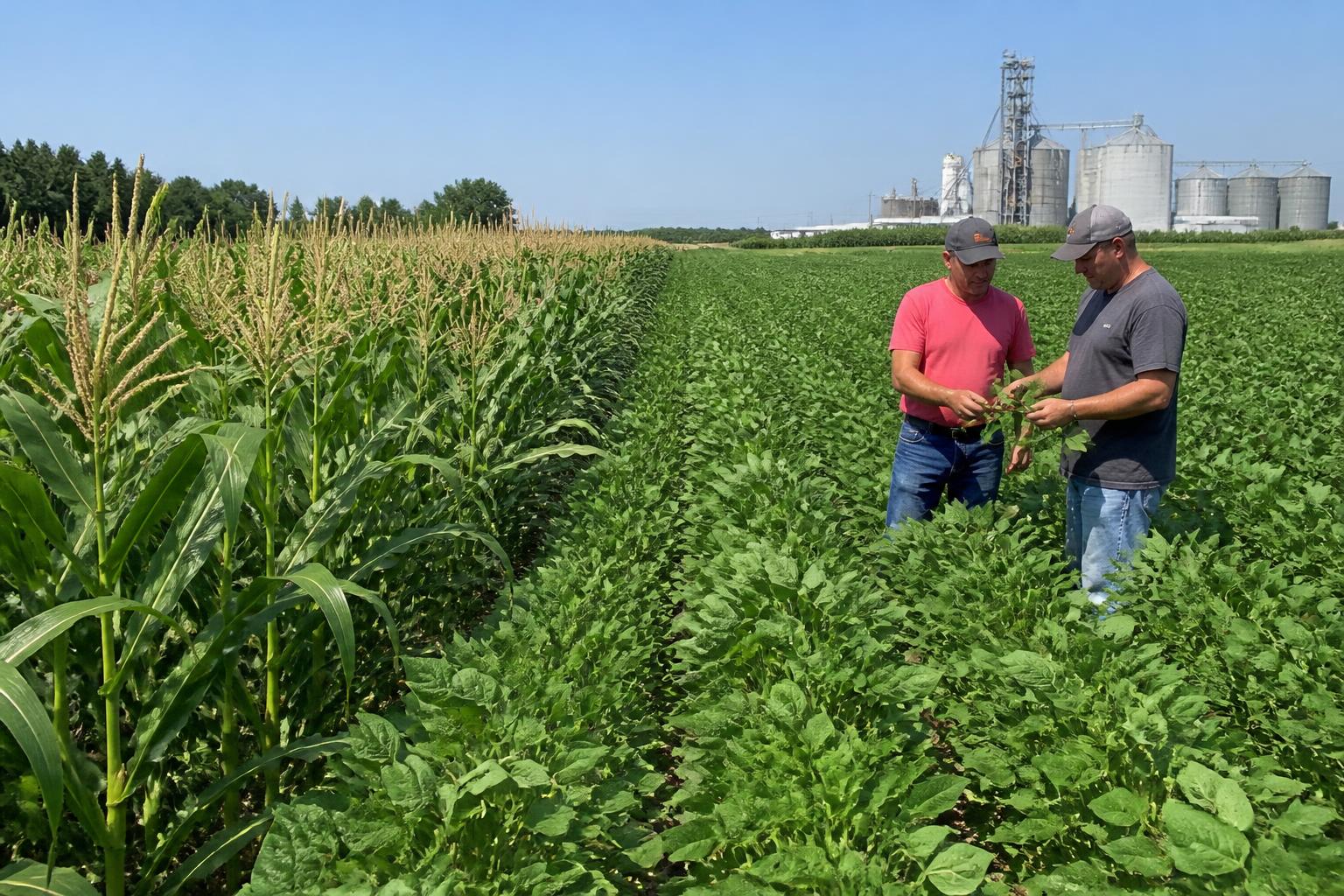
As the summer heat settles over the Delmarva Peninsula, Delaware growers are navigating a highly complex fertilizer market. Farm input inflation has continued to climb, frequently surging ahead of general consumer price indexes and placing significant pressure on farm margins. Local agribusinesses and producers in Kent and Sussex counties are keeping a close watch on both global logistical bottlenecks and domestic supply-chain adjustments to protect their bottom lines.
While Delaware agriculture relies heavily on efficient local distribution, international developments are casting a long shadow over mid-summer nutrient planning. From shipping vulnerabilities in global transit corridors to corporate restructuring within the state, agricultural retail and crop nutrition strategies are undergoing rapid shifts.
Global Shipping Vulnerabilities Threaten Crop Nutrition
The global fertilizer market remains highly sensitive to trade lane disruptions, with recent analyses highlighting that vital commodities beyond oil and gas are at risk. A potential blockage or prolonged disruption in key maritime pathways, such as the Strait of Hormuz, could rattle the global fertilizer trade and trigger energy market volatility that could take years to resolve. Because nitrogen fertilizer production is heavily dependent on natural gas, any long-term energy disruption directly impacts the retail price of nutrients delivered to Delaware distributors.
These international pressures highlight the importance of securing reliable supply lines early. For local crop input buyers, this means monitoring domestic inventories closely and navigating Delaware's mid-summer logistics to bypass short-term transport bottlenecks along critical highway corridors like US-13 and US-113.
Local Agritech Shifts and Financial Realignments
Delaware continues to serve as an important hub for agricultural technology and corporate innovation, which may offer long-term solutions to current margin pressures. In Newark, FMC Corporation recently announced a 114 million dollar sale-leaseback of its local property, a strategic financial move ahead of its summer earnings reports. Meanwhile, the city of Wilmington has continued to attract international agricultural businesses, including a Belgian crop-protection firm that recently selected the city for its headquarters.
This concentration of agricultural research and development in New Castle County reflects a broader regional trend. Delaware's staple food and agricultural sectors are increasingly embracing innovation, including advanced nutrient delivery systems and balanced NPK formulas, to optimize fertilizer use efficiency. By applying targeted blends, growers can reduce waste and mitigate the high cost of imported crop inputs.
Strategic Nutrient Management for Summer Crop Demands
With general input costs remaining high, crop nutrition specialists suggest that growers focus on high-efficiency fertilizer formulations to maximize return on investment. Balanced nitrogen-phosphorus-potassium (NPK) blends are becoming critical for sustaining high-yielding corn and soybean fields through the peak summer growth phases.
In addition to commercial chemical fertilizers, many Delaware operations, particularly in poultry-dense Sussex County, are exploring integrated soil management practices. Combining traditional commercial fertilizers with local organic nutrient sources can help buffer against sudden global market spikes and ease the demand on regional trucking and port logistics.
Key Takeaways for Delaware Producers
- Track Global Shipping: Keep a close eye on energy and raw-material shipping corridors, as disruptions can quickly translate into higher retail fertilizer prices at home.
- Focus on Efficiency: Utilize balanced, high-efficiency NPK blends to optimize nutrient uptake and reduce overall application volumes during periods of high inflation.
- Leverage Local Logistics: Coordinate with regional distributors early to secure summer and fall delivery slots, avoiding peak-season road and terminal congestion.
What it means for the market
The combination of high input inflation and potential global maritime disruptions will likely keep fertilizer prices firm through the remainder of the summer. While Delaware's local agritech sector continues to drive efficiency innovations, growers must remain defensive by optimizing application rates and locking in nutrient supplies early. Navigating the summer market will require a careful balance of global risk awareness and localized logistics management to protect farm margins heading into the fall harvest.
Comments
No comments yet — be the first to share your take.