
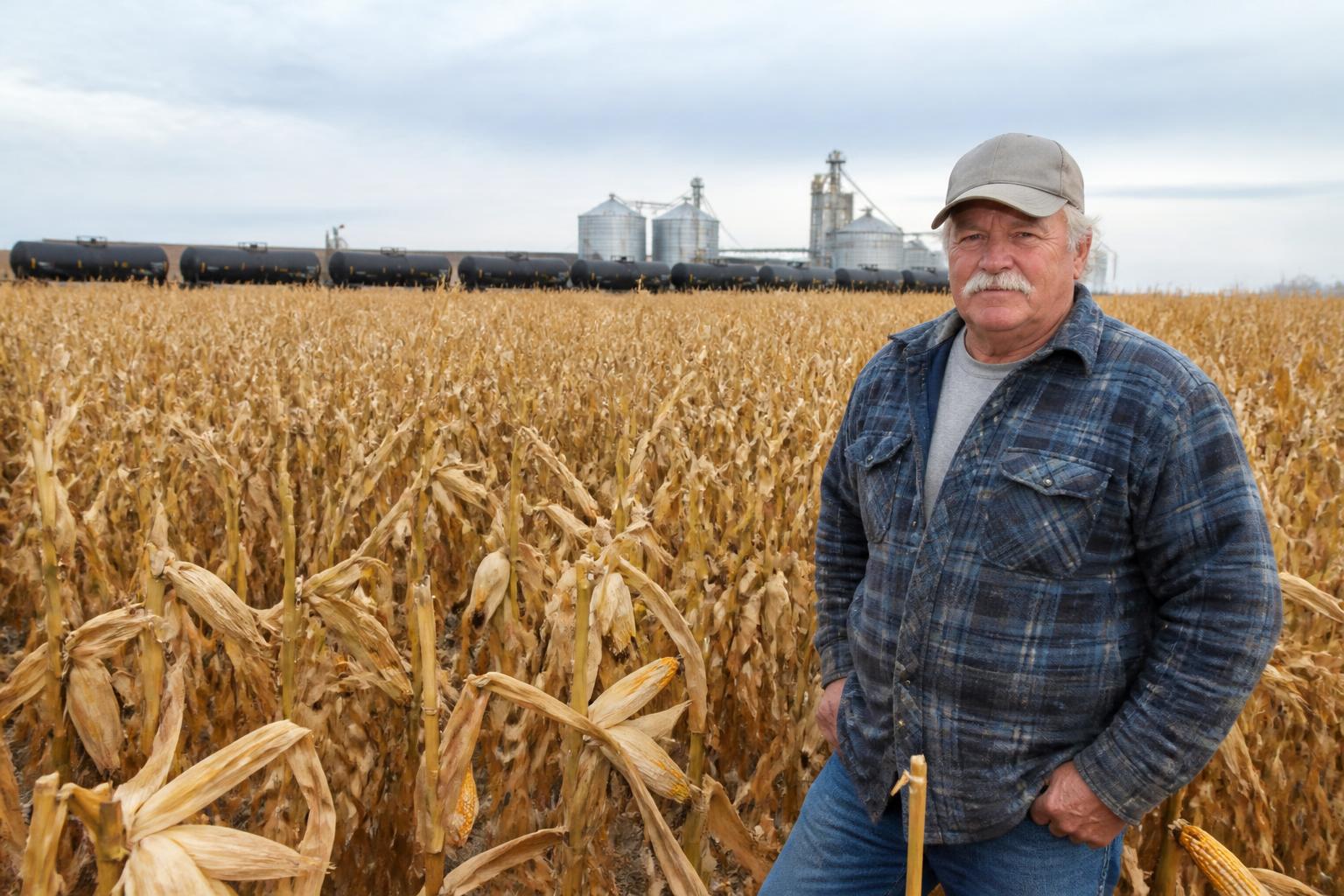
Adapting to Evolving Rail Logistics
For North Carolina grain handlers and input buyers, the broader movement in the rail tank car market toward fleet renewal and updated chemical logistics reflects a period of infrastructure transition. While much of this activity is focused on long-term capacity, the ongoing investment in rail assets often signals a tightening of availability for agricultural commodities as competing sectors demand space. Producers across the state, from the fertile Coastal Plain to the Piedmont, should remain proactive in monitoring car availability as we move deeper into the fall season.
Navigating Market Dynamics and Price Pressure
Current market reports highlight fluctuations in producer-level pricing for various commodities, including recent softening in beef markets. For those involved in livestock or forage, these price shifts necessitate a refined approach to logistics and cost management. Efficiently moving inputs and finished products during the busy fall harvest window requires balancing tight labor markets with the reality of fluctuating equipment accessibility. Whether utilizing regional short-line rail or traditional trucking routes, managing your transport schedule against the backdrop of changing commodity values remains a priority.
Strategic Planning for Seasonal Throughput
As harvest activity continues across North Carolina, logistics constraints can appear unexpectedly due to seasonal demand on infrastructure. It is often wise to confirm loading schedules well in advance, particularly when coordinating between local farm storage and larger regional elevators. By keeping communication lines open with carrier partners, agribusinesses can mitigate the impact of external market pressures and ensure that product moves reliably from the field to the point of sale.
What it means for the market
The convergence of long-term rail fleet evolution and immediate seasonal price volatility underscores the importance of operational flexibility. For North Carolina stakeholders, the path forward involves focusing on logistics efficiency and maintaining close ties with transport providers. Those who plan ahead and remain adaptable to shifting freight requirements are better positioned to protect margins during this active phase of the agricultural cycle.
Comments
No comments yet - be the first to share your take.