
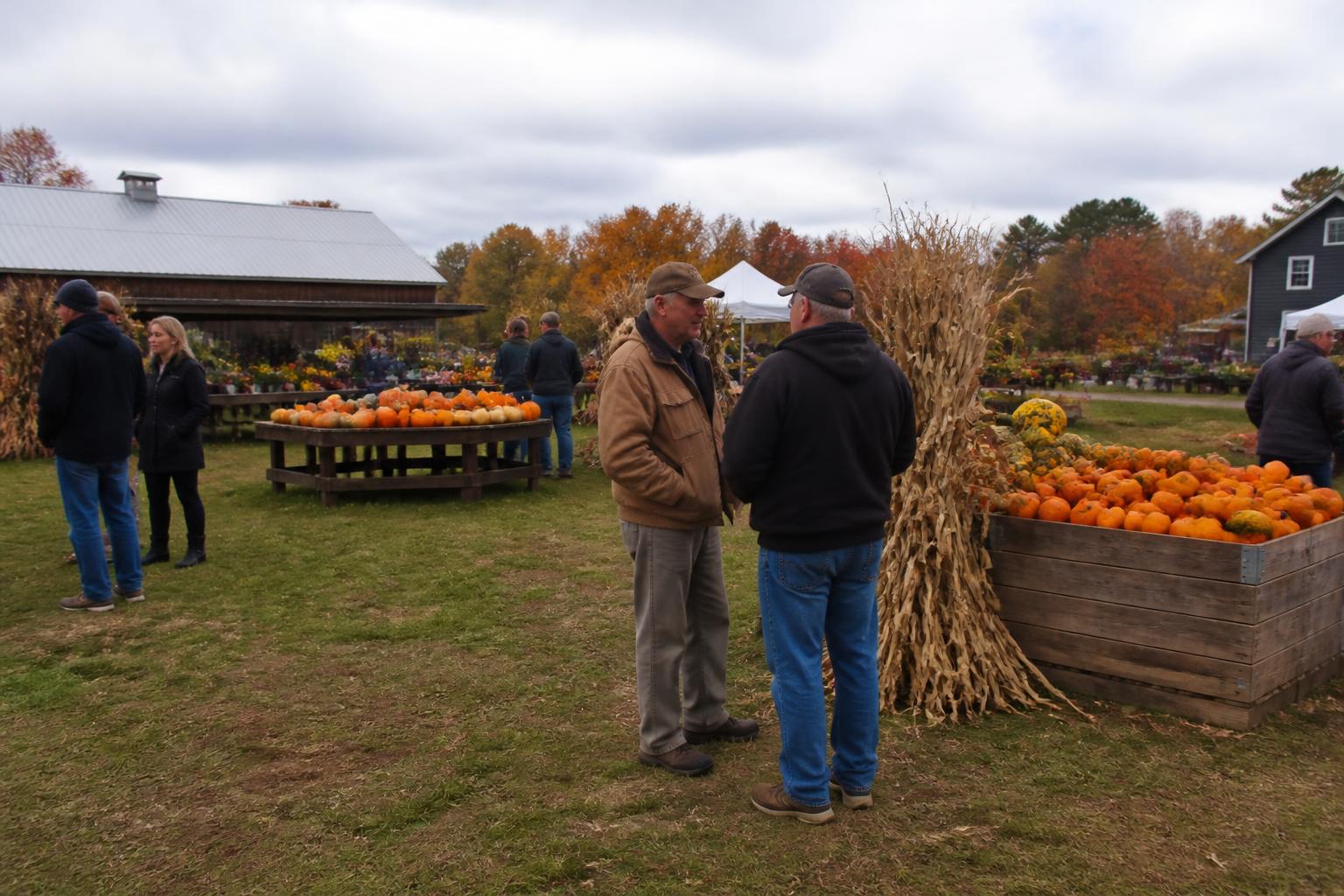
As the 2026 harvest season reaches its final stages in Connecticut, farmers across the state are assessing the cumulative impact of a complex growing year. With the transition into mid-November, the focus among local producers has shifted from field activity toward final logistics, winter storage preparation, and evaluating the long-term sustainability of current operational costs.
For many, the logistical landscape has been particularly demanding this fall. Navigating the unique geography of Connecticut often requires careful coordination, as narrow rural corridors and varying weight restrictions can complicate the movement of equipment and bulk commodities. Producers who typically manage late-fall grain movements must remain highly attuned to road conditions that can fluctuate rapidly as the weather cools.
Managing Operational Costs in a Tight Market
The challenges highlighted by producers earlier this season regarding production expenses remain at the forefront of agribusiness discussions. With input costs remaining a significant factor in bottom-line calculations, many farm businesses are looking for ways to streamline their supply chains. Understanding the nuances of market volatility is essential for those looking to protect their margins during this year-end cycle.
Technology continues to play a role in how local farms address these logistical hurdles. By leveraging modern tools to optimize transport routes, some growers are finding ways to mitigate the high costs associated with regional distribution. This integration of ag-tech and logistics has become increasingly vital for maintaining competitiveness in a state where land-use and transit efficiency are at a premium.
What it means for the market
Looking ahead, the combination of harvest completion and logistical readiness will define the start of the winter season for Connecticut agriculture. Farmers should prioritize securing storage capacity and auditing transport contracts before the onset of more severe winter weather. By staying informed on regional trends and utilizing data-driven planning, stakeholders can better navigate the period of transition that follows the close of the primary harvest window.
Comments
No comments yet - be the first to share your take.