
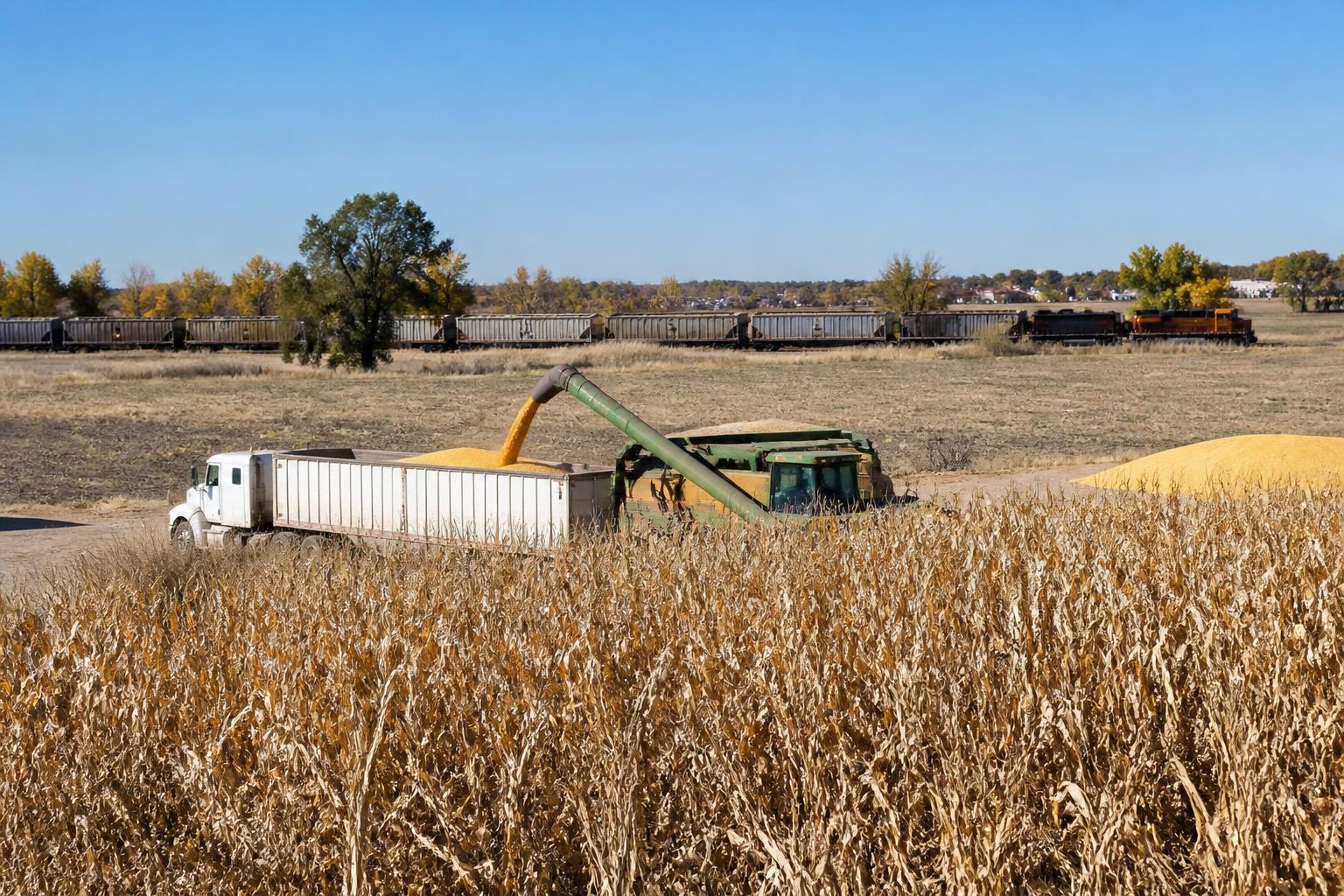
The U.S. agricultural supply chain is experiencing a period of adjustment as harvest activity continues to put pressure on existing logistics networks. Grain handlers and producers are navigating a market characterized by volatile transport costs, with recent data highlighting a softening in both rail and barge rates, even as fuel surcharges remain a persistent factor influencing bottom-line profitability.
For many agribusinesses, the primary focus remains on efficient movement of grain to key export points. While some winter grain movement preparations are already underway in northern states, the current logistical landscape is defined by rail performance metrics. Recent reports indicate variability in rail origin dwell times, with some major carriers experiencing significant backlogs for rail cars held over the 48-hour threshold. These delays, combined with fluctuating train speeds, continue to complicate scheduling for elevators and shippers looking to clear storage as the season winds down.
Barge Market and Export Dynamics
Barge transportation, a critical artery for U.S. grain exports, has seen varying rate structures across major inland waterways. Rates have fluctuated significantly based on geography, with higher costs noted in northern hubs compared to routes further south along the Mississippi corridor. These shifts occur against a backdrop of steady export demand, where trade agreements and global market stability remain vital for maintaining healthy flow from farm to port.
Addressing the Trucking Capacity Gap
Beyond rail and water, the demand for specialized ag-trucking remains high. Moving commodities from field to elevator or railhead requires a unique set of skills beyond general commercial hauling. Efforts to mitigate the driver shortage are gaining traction, with community colleges increasingly offering training programs specifically tailored to the complexities of agricultural freight, such as weight compliance and seasonal surge management.
What it means for the market
For participants in the ag-logistics chain, the current environment demands high levels of vigilance regarding transport costs and carrier performance. With rail speeds and dwell times showing inconsistency, grain handlers should prioritize proactive communication with rail partners. Additionally, as the industry navigates a mix of shifting global export opportunities and local transport bottlenecks, maintaining flexible delivery schedules and securing trucking capacity ahead of peak movement windows can help minimize the impact of seasonal volatility.
Comments
No comments yet - be the first to share your take.