
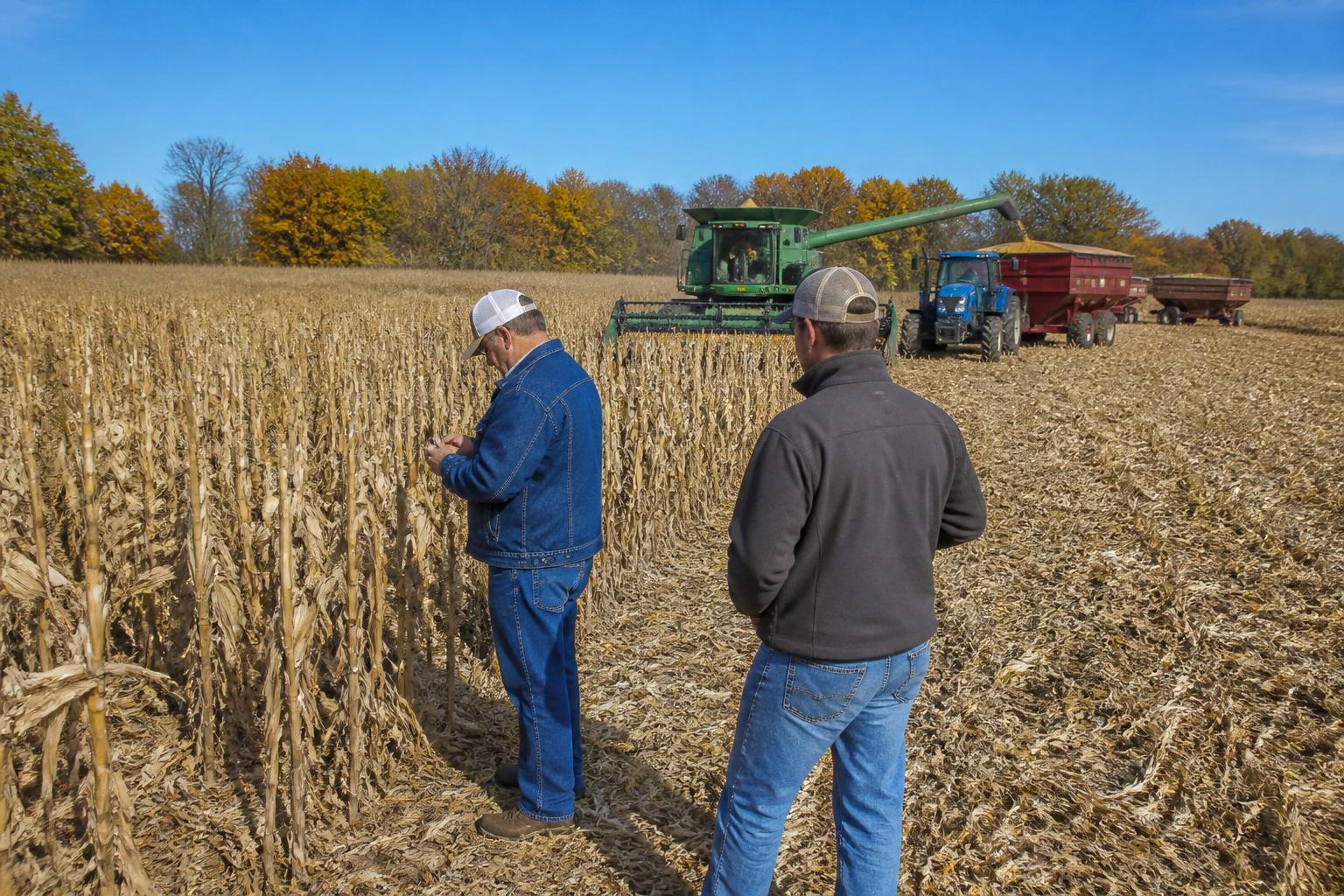
With the harvest season wrapping up across many parts of South Dakota, the focus among local producers and grain handlers is increasingly shifting toward post-harvest logistics and preparing for the winter months ahead. For many farms, managing storage capacity and ensuring efficient transport routes remain the primary operational challenges as grain movement continues in the regional corridors.
Efficiently moving the current crop requires careful consideration of road conditions and equipment readiness. As the state moves further into the season, attention turns to winter maintenance schedules, which help ensure that critical supply chains remain functional despite the cooling temperatures and changing weather patterns. Effective storage management has been a key theme this year, with many operations continuing to navigate the balance between immediate grain sales and holding stocks for later potential market movement.
Refining Operational Efficiency
For those managing heavy equipment or transport fleets, the current period often presents a strategic window to evaluate machinery lines. Upgrading components or planning for deferred maintenance can pay dividends when operational intensity ramps up again next season. Farmers and handlers are also keeping a close eye on input costs, particularly regarding fuel and logistical support, which continue to influence the overall bottom line.
Logistical Readiness for the Season Ahead
In addition to machinery considerations, regional stakeholders are looking at the infrastructure plans approved for the 2026-27 winter season. Maintaining access to primary highways and secondary county roads is essential for steady grain flow, especially in areas where late-season moisture or early frost can impact local logistics. Staying informed about these maintenance plans can help operators better schedule their hauling activities to avoid potential bottlenecks.
What it means for the market
The transition into winter signals a pivot toward risk management and long-term asset positioning. For grain handlers and carriers in South Dakota, success in the coming months will likely depend on how well they adapt to seasonal road conditions and optimize their storage logistics. Maintaining a flexible approach to movement schedules will be vital as the state enters the final months of the year.
Comments
No comments yet - be the first to share your take.