
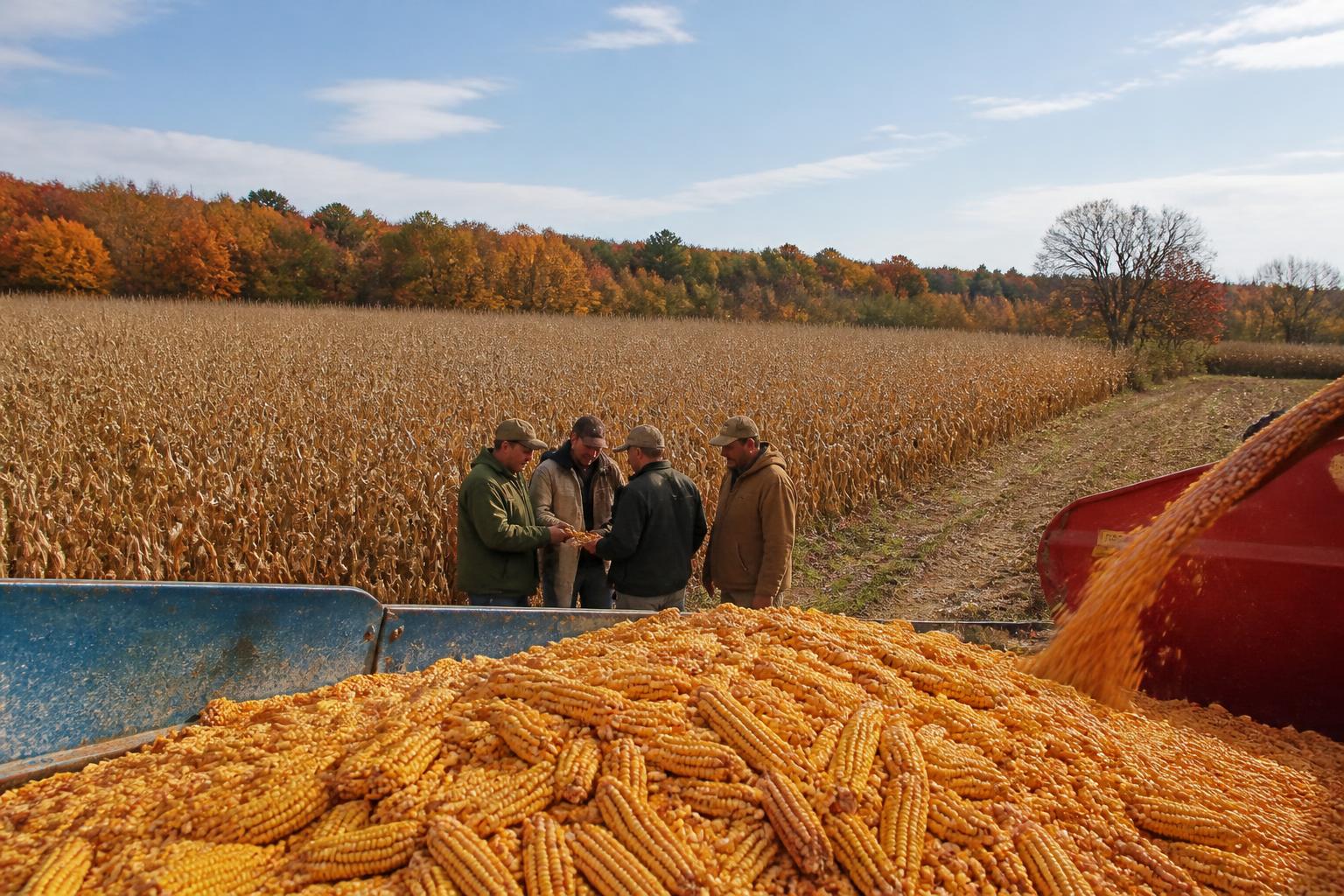
In Arizona, the fall season often brings a transition in moisture levels that requires grain producers and storage facilities to be particularly vigilant. As we move through November, managing the balance between ambient humidity and internal storage conditions is critical for protecting the integrity of stored commodities. For many growers in the Gila and Maricopa regions, ensuring that aeration systems are calibrated correctly can prevent moisture migration that leads to localized spoilage.
Maintaining quality from the field to the elevator requires a focus on transit logistics and storage management. As farmers look to move their harvest, optimizing routes and monitoring for potential contamination risks remain top priorities. For more on navigating these operational hurdles, check out these insights on managing input costs and infrastructure challenges as well as strategies for handling seasonal transit pressures during high-volume periods.
Mitigating Fungal Growth Risks
Grain storage remains a primary point of concern when humidity spikes occur. Fungal vapors and moisture-induced toxins can develop quickly if grain temperatures are not monitored consistently. Effective management often involves regular testing and the use of drying infrastructure to ensure that stored inventory remains within safe moisture thresholds. For those managing long-term storage, staying informed on regulatory and transit pressures can provide a clearer picture of how to best sequence deliveries to elevators.
Operational Readiness in the Southwest
Logistics partners across Arizona are emphasizing the importance of vehicle maintenance as the state sees increased heavy-duty traffic on major corridors. With higher demand for transport during the fall, ensuring that equipment is up to standard helps prevent costly delays. Producers are encouraged to coordinate closely with their carriers to account for potential congestion near major processing hubs and regional rail terminals.
What it means for the market
For the Arizona agricultural sector, this period is characterized by the need for operational discipline. By prioritizing moisture management in storage and maintaining clear communication with regional logistics providers, farmers and grain handlers can mitigate risk, protect the marketability of their crop, and navigate the typical seasonal bottlenecks more effectively.
Comments
No comments yet - be the first to share your take.