
Optimizing Regional Transit
With the fall season entering its final stretch, Massachusetts agricultural producers are focusing on the steady movement of goods across the state. Efficient logistics for regional transport remain essential for moving remaining harvest volume to local storage or markets before winter conditions settle in across the Northeast.
Infrastructure and Seasonal Constraints
Managing transport in Massachusetts often requires a nuanced understanding of local infrastructure. Carriers moving heavy loads may encounter varying weight restrictions on older bridges or narrow rural roads, particularly in the western parts of the state. It is a time of year where timing transit around peak commuter traffic and unpredictable autumn weather can help maintain a consistent pace for input and produce supply chains.
Energy Integration in Rural Operations
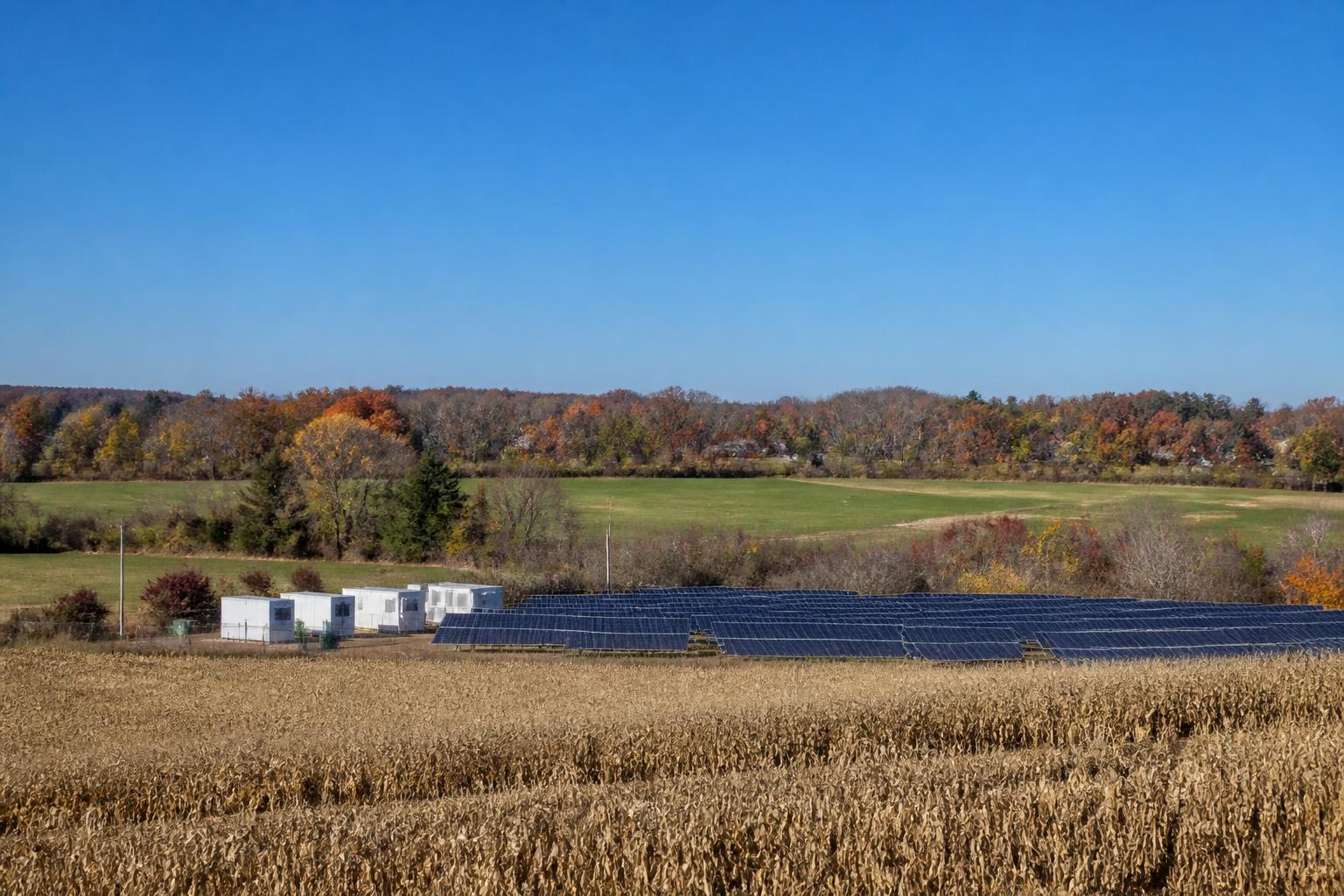
Recent shifts toward more resilient energy systems are also becoming relevant for stationary agricultural infrastructure. As some rural areas explore solar-plus-storage solutions, operators are finding that decentralized energy may help lower utility costs for grain storage and processing facilities. This long-term trend could eventually impact overhead expenses for regional agribusinesses looking to modernize their facilities.
What it means for the market
For the Massachusetts producer, the final weeks of the season are about stability. By focusing on smart routing and prioritizing energy-efficient storage, agribusinesses can better shield their margins from volatility. As harvest concludes, the focus shifts toward securing reliable freight partnerships for the coming winter months to ensure that local markets remain well-supplied.
Comments
No comments yet - be the first to share your take.